THE ADVENTURE COLLECTIVE® · Independent discovery and booking for outdoor travel

Summit Mount Batur before dawn to watch sunlight spill across a volcanic caldera. This private guided trek combines steep volcanic trails, a summit sunrise, and a post-hike stop at a Balinese coffee plantation.
Summit Mount Batur before dawn to watch sunlight spill across a volcanic caldera. This private guided trek combines steep volcanic trails, a summit sunrise, and a post-hike stop at a Balinese coffee plantation.
Before dawn the trail smells of cool ash and damp earth as a string of headlamps threads upward against a black sky. Climbers move in steady steps, the crater rim visible as a dark lip, and by the time the sun edges over Bali the caldera throws off a harsh, volcanic silhouette that hushes the group.
Verified experiences and guided adventures in the surrounding area.
Operated by Krisna Bali Trekking Tour · Kintamani, Bali
Before dawn the trail smells of cool ash and damp earth as a string of headlamps threads upward against a black sky. Climbers move in steady steps, the crater rim visible as a dark lip, and by the time the sun edges over Bali the caldera throws off a harsh, volcanic silhouette that hushes the group.
Mount Batur (Gunung Batur) sits in the Kintamani caldera, a volcanic landscape shaped by repeated eruptions over millennia; the current cone rises to roughly 1,717 meters. The hike follows steep volcanic scree and narrow ridgelines, a 2–3 hour ascent with roughly 600–800 meters of gain depending on your route. The area is culturally significant to Balinese communities—temples and offerings dot the lower slopes—and nearby coffee plantations grow on fertile volcanic soils that helped Bali’s specialty coffees take root.
Practically: tours begin 2–3 AM for a summit arrival around sunrise, include a local guide, entrance fees to the Kintamani area, breakfast and hotel pickup, and often a coffee plantation stop on the return. Expect loose rock, short steep pitches, and crowds at the peak between June and September. Bring a warm layer for the summit chill, a reliable headlamp, and sturdy footwear for traction on scree.
Timing and weather matter: dry-season mornings offer clearer vistas; wet months bring slippery conditions and reduced visibility. Respect local rituals and stay on marked paths—Batur is active and protected; pack out trash and follow your guide’s route for safety.
moderate.
10–12 hours (tour) / 2–3 hours ascent.
Moderate fitness: able to hike continuously uphill for 2 hours and descend on loose volcanic terrain.
Pickups typically begin 2:00–3:00 AM so groups can reach the summit for sunrise around 5:30–6:30 AM, depending on season.
Fit beginners can complete it with a guide—expect 2–3 hours up on steep, loose volcanic terrain; the tour notes recommend moderate fitness.
Not recommended for pregnant travelers or those with serious cardiovascular or spinal issues; check with the operator for individual concerns.
Operators may cancel for bad weather for safety; check cancellation terms (usually full refund if canceled 24+ hours before departure).
Batur occupies a caldera formed by a large prehistoric eruption; the current cone and surrounding villages have coexisted with regular volcanic activity for centuries.
High foot traffic and erosion are concerns—stay on established trails, avoid littering, and support local guides who follow sustainable practices.
Krisna Bali Trekking Tour operates guided outdoor trips and adventures with an emphasis on safety, stewardship, and memorable experiences.
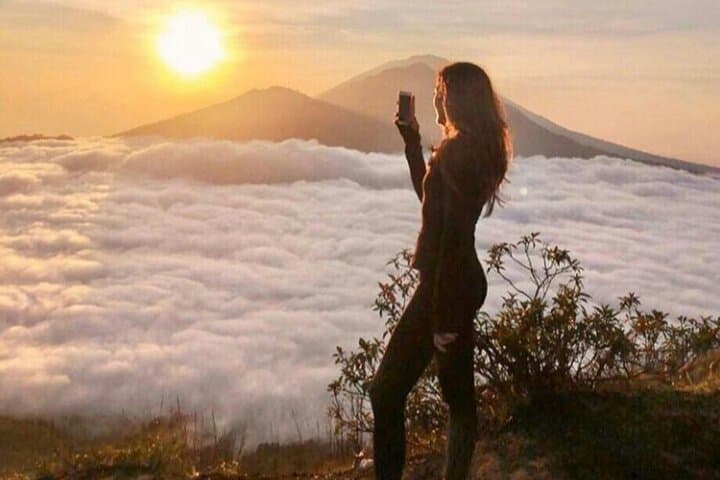
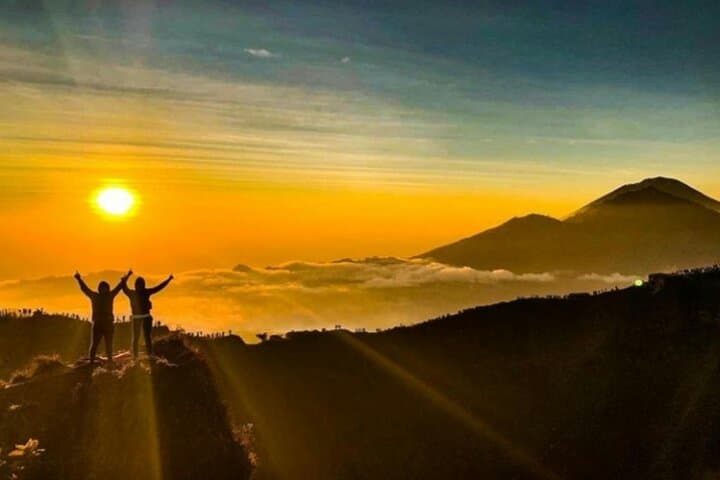
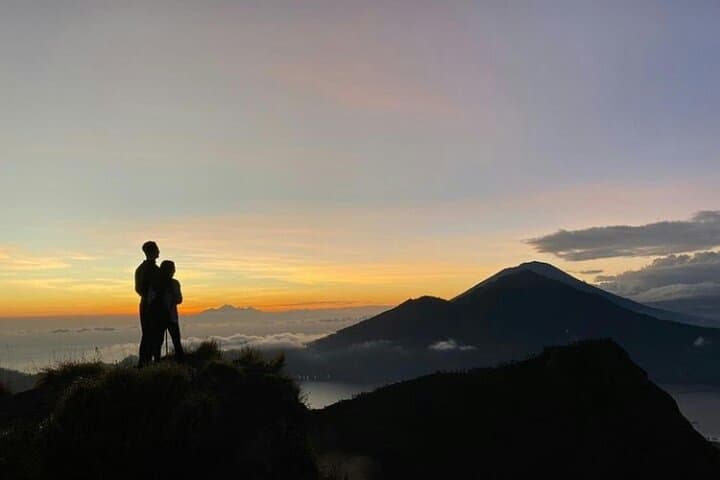
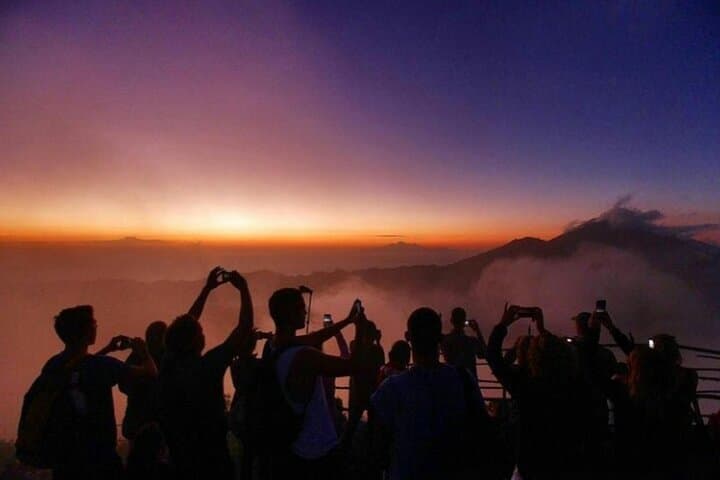
Before dawn the trail smells of cool ash and damp earth as a string of headlamps threads upward against a black sky. Climbers move in steady steps, the crater rim visible as a dark lip, and by the time the sun edges over Bali the caldera throws off a harsh, volcanic silhouette that hushes the group.
Before dawn the trail smells of cool ash and damp earth as a string of headlamps threads upward against a black sky. Climbers move in steady steps, the crater rim visible as a dark lip, and by the time the sun edges over Bali the caldera throws off a harsh, volcanic silhouette that hushes the group.
Mount Batur (Gunung Batur) sits in the Kintamani caldera, a volcanic landscape shaped by repeated eruptions over millennia; the current cone rises to roughly 1,717 meters. The hike follows steep volcanic scree and narrow ridgelines, a 2–3 hour ascent with roughly 600–800 meters of gain depending on your route. The area is culturally significant to Balinese communities—temples and offerings dot the lower slopes—and nearby coffee plantations grow on fertile volcanic soils that helped Bali’s specialty coffees take root.
Practically: tours begin 2–3 AM for a summit arrival around sunrise, include a local guide, entrance fees to the Kintamani area, breakfast and hotel pickup, and often a coffee plantation stop on the return. Expect loose rock, short steep pitches, and crowds at the peak between June and September. Bring a warm layer for the summit chill, a reliable headlamp, and sturdy footwear for traction on scree.
Timing and weather matter: dry-season mornings offer clearer vistas; wet months bring slippery conditions and reduced visibility. Respect local rituals and stay on marked paths—Batur is active and protected; pack out trash and follow your guide’s route for safety.