THE ADVENTURE COLLECTIVE® · Independent discovery and booking for outdoor travel

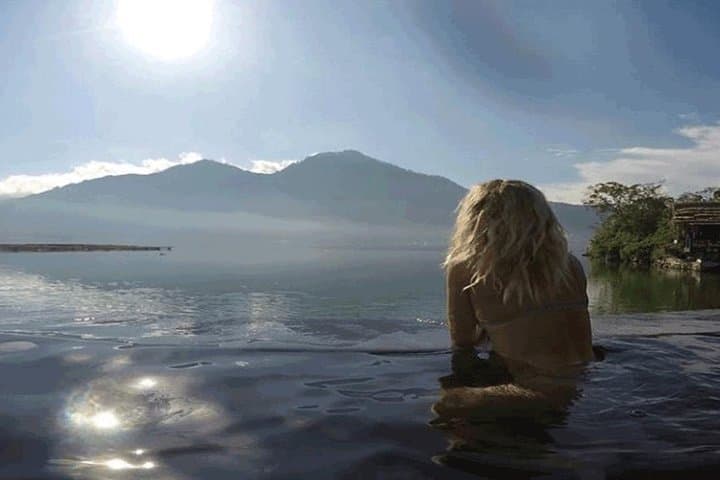
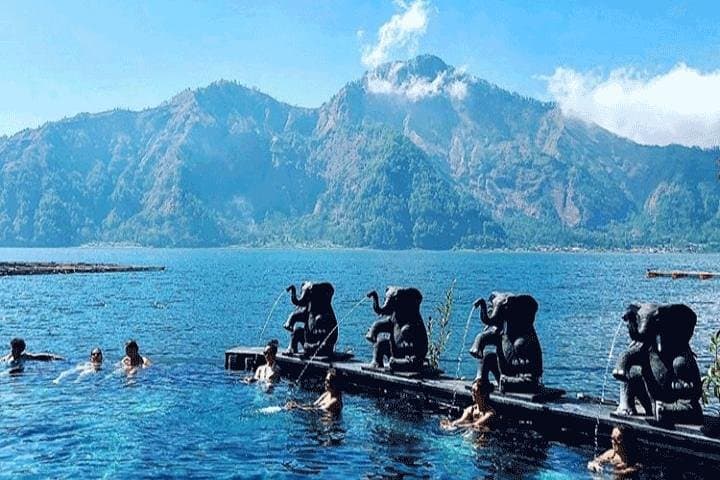
Climb Mount Batur before dawn, watch the sun spill over Lake Batur from the crater rim, then sink into natural hot springs in Toya Bungkah. This guided sunrise trek combines volcanic geology, local coffee culture and restorative thermal pools in one full-day adventure.
Climb Mount Batur before dawn, watch the sun spill over Lake Batur from the crater rim, then sink into natural hot springs in Toya Bungkah. This guided sunrise trek combines volcanic geology, local coffee culture and restorative thermal pools in one full-day adventure.
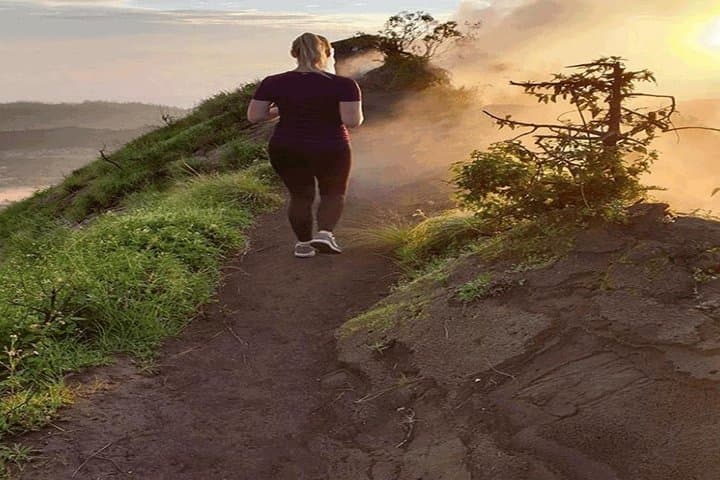
Before dawn the trail is a line of headlamps threading up black volcanic rock; breaths fog in the cool air as the slope leans steeper. By the time the summit opens, the caldera has turned from indigo to a palette of gold and rose, and the rim gives a wide, raw view of Lake Batur and the sleeping villages below. The air smells faintly of sulfur and hot earth—signs of a mountain that is alive.
Verified experiences and guided adventures in the surrounding area.
Operated by Krisna Bali Trekking Tour · Kintamani, Bali
Before dawn the trail is a line of headlamps threading up black volcanic rock; breaths fog in the cool air as the slope leans steeper. By the time the summit opens, the caldera has turned from indigo to a palette of gold and rose, and the rim gives a wide, raw view of Lake Batur and the sleeping villages below. The air smells faintly of sulfur and hot earth—signs of a mountain that is alive.
Mount Batur is an active stratovolcano set in a larger caldera formed tens of thousands of years ago. Its lava fields and ash terraces shape the Kintamani landscape and support cultivated coffee and vegetable gardens. Local Balinese communities treat the mountain with ritual respect; many guides can explain the cultural links between daily farm life and volcanic soil.
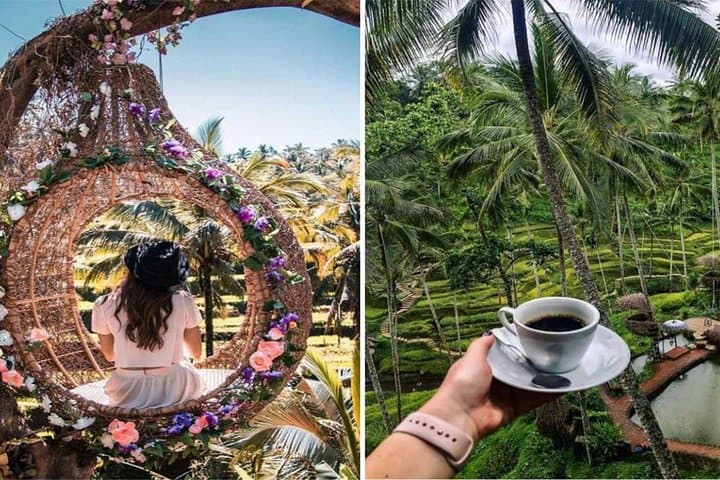
The typical guided sunrise trek starts very early and climbs steep, rocky trails—expect roughly 600–800 m of elevation gain and about 3–4 km round trip, depending on the trailhead. Hikers move at a steady pace, using hands at sections of loose scoria. After the descent, Toya Bungkah’s natural hot springs provide warm, mineral-rich pools where muscles loosen and stories of the summit get traded over Bali coffee.
Practical essentials: book a guide, bring a headlamp, layered clothes for a cold summit, sturdy boots and at least 1–2 liters of water, and swimwear for the springs. Aim to arrive in Kintamani the day before or stay in Ubud for easy transfers. The route is accessible to fit beginners with endurance but is unabated volcanic terrain—respect trail closures and your guide’s pacing.
moderate.
8–10 hours.
Moderate fitness—able to hike 2–3 hours with sustained uphill sections and carry a daypack
Pick-up is typically between 02:00–03:00 depending on hotel location; the hike often begins around 04:00 to reach the summit for sunrise.
Yes, if you have moderate fitness; the route is steep and uneven but not technical—use a guide and take breaks as needed.
Most tours include access to the natural hot spring facilities in Toya Bungkah; small additional fees for pools or towels may apply locally.
No—this activity is not recommended for pregnant travelers or those with significant cardiovascular or spinal issues due to the ascent and thermal baths.
Mount Batur sits within a vast caldera created by major eruptions thousands of years ago and remains an active volcano central to local agricultural and ritual life.
Stick to established trails to limit erosion on fragile volcanic soils; support local guides and small businesses to encourage sustainable tourism practices.
Krisna Bali Trekking Tour operates guided outdoor trips and adventures with an emphasis on safety, stewardship, and memorable experiences.
Before dawn the trail is a line of headlamps threading up black volcanic rock; breaths fog in the cool air as the slope leans steeper. By the time the summit opens, the caldera has turned from indigo to a palette of gold and rose, and the rim gives a wide, raw view of Lake Batur and the sleeping villages below. The air smells faintly of sulfur and hot earth—signs of a mountain that is alive.
Before dawn the trail is a line of headlamps threading up black volcanic rock; breaths fog in the cool air as the slope leans steeper. By the time the summit opens, the caldera has turned from indigo to a palette of gold and rose, and the rim gives a wide, raw view of Lake Batur and the sleeping villages below. The air smells faintly of sulfur and hot earth—signs of a mountain that is alive.
Mount Batur is an active stratovolcano set in a larger caldera formed tens of thousands of years ago. Its lava fields and ash terraces shape the Kintamani landscape and support cultivated coffee and vegetable gardens. Local Balinese communities treat the mountain with ritual respect; many guides can explain the cultural links between daily farm life and volcanic soil.
The typical guided sunrise trek starts very early and climbs steep, rocky trails—expect roughly 600–800 m of elevation gain and about 3–4 km round trip, depending on the trailhead. Hikers move at a steady pace, using hands at sections of loose scoria. After the descent, Toya Bungkah’s natural hot springs provide warm, mineral-rich pools where muscles loosen and stories of the summit get traded over Bali coffee.
Practical essentials: book a guide, bring a headlamp, layered clothes for a cold summit, sturdy boots and at least 1–2 liters of water, and swimwear for the springs. Aim to arrive in Kintamani the day before or stay in Ubud for easy transfers. The route is accessible to fit beginners with endurance but is unabated volcanic terrain—respect trail closures and your guide’s pacing.