THE ADVENTURE COLLECTIVE® · Independent discovery and booking for outdoor travel

Rise before dawn for a guided ascent of Mount Batur, watch the sun break over the crater, then descend to natural hot springs and a coffee plantation. This active-volcano morning trek pairs dramatic views with restorative pools and cultural context from local guides.
Rise before dawn for a guided ascent of Mount Batur, watch the sun break over the crater, then descend to natural hot springs and a coffee plantation. This active-volcano morning trek pairs dramatic views with restorative pools and cultural context from local guides.
You start before the dark, the driver threading down narrow Balinese lanes toward the broad rim of Batur’s caldera. Headlamps pick out the volcanic scree as the guide sets cadence; the summit trail pitches steady and rhythmic, a chain of footfalls moving toward the horizon. At first light the crater silhouette sharpens, and steam from the hot spring below seems to promise relief even as the sun pries color from the sky.
Verified experiences and guided adventures in the surrounding area.
Operated by Krisna Bali Trekking Tour · Kintamani, Bali
You start before the dark, the driver threading down narrow Balinese lanes toward the broad rim of Batur’s caldera. Headlamps pick out the volcanic scree as the guide sets cadence; the summit trail pitches steady and rhythmic, a chain of footfalls moving toward the horizon. At first light the crater silhouette sharpens, and steam from the hot spring below seems to promise relief even as the sun pries color from the sky.
Geology here is immediate: Mount Batur sits inside a larger caldera formed by older collapses, its own cone a frequently active peak rising to about 1,717 meters. The Kintamani region has been farmed for generations—rice terraces and coffee gardens cling to the cooler slopes, and local guides often explain rituals tied to the volcano and nearby temples.
Expect a 1.5–2 hour ascent on mixed volcanic sand and rock, views into a smoking crater and across Lake Batur, followed by a gentle descent to Toya Bungkah and natural hot springs. After soaking in mineral-rich pools you may stop at a nearby coffee plantation for a brief tasting—Bali’s highland beans are a local staple.
Practical guidance: start with a warm, windproof layer, a reliable headlamp, at least 1.5 liters of water and sturdy shoes with good traction. Go early to avoid crowds and heavier midday heat; follow your guide’s pace and keep to the marked path to reduce erosion. If you’re sensitive to steep slopes or have cardiovascular concerns, consult a doctor—guides rate the trek as accessible to most fit travelers but steady footing is required.
moderate.
4–5 hours (total, including transfers).
Moderate cardio and leg strength; suitable for most people who can manage sustained uphill walking for 1–2 hours.
Pick-up is typically between 2:00–3:00 AM depending on hotel location so you reach the trail before sunrise.
Yes—many operators describe the route as accessible to those with basic fitness; expect steady uphill sections lasting up to two hours.
Yes—most itineraries include time at Toya Bungkah’s natural hot springs to relax before returning to your hotel.
The summit is around 1,700 m; most visitors do not experience severe altitude effects, but those with heart or respiratory conditions should consult a physician first.
Mount Batur sits within an ancient caldera and remains an active volcano; the surrounding villages have farmed its fertile slopes for centuries and maintain ritual links to nearby temples.
Trails are vulnerable to erosion on loose volcanic soil—stick to established paths, avoid trampling vegetation, and pack out all waste to protect fragile highland ecosystems.
Krisna Bali Trekking Tour operates guided outdoor trips and adventures with an emphasis on safety, stewardship, and memorable experiences.
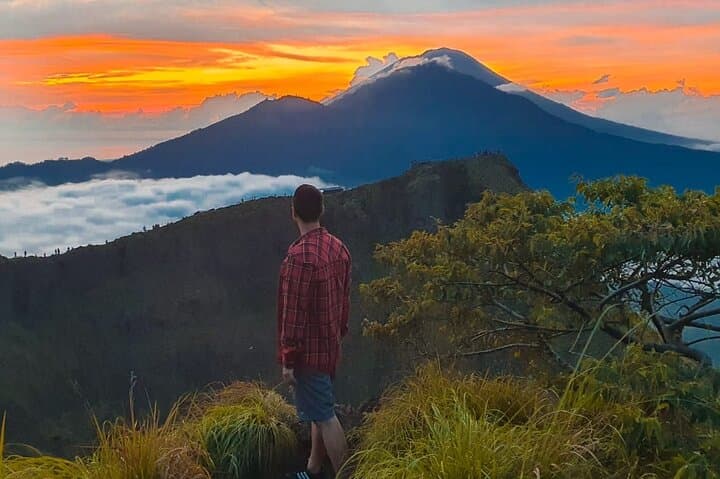
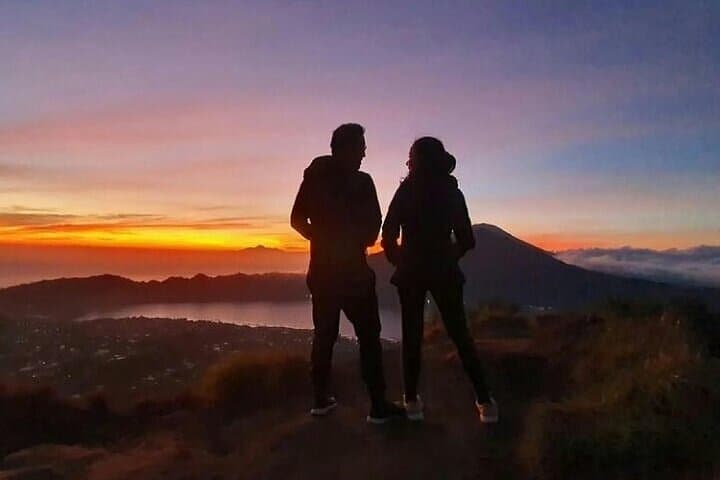
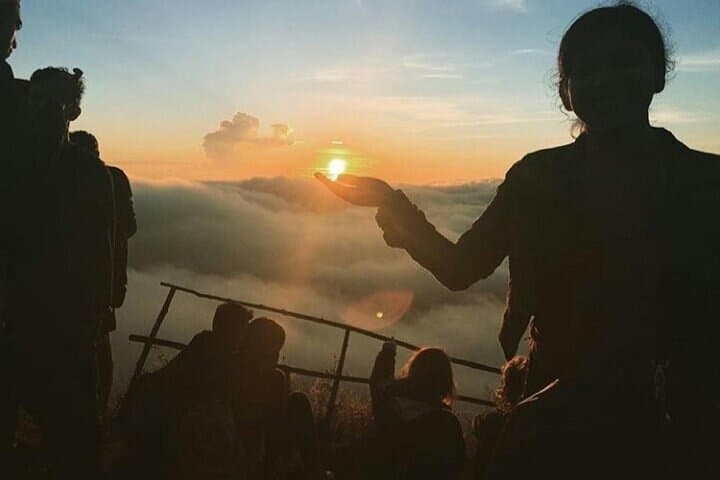
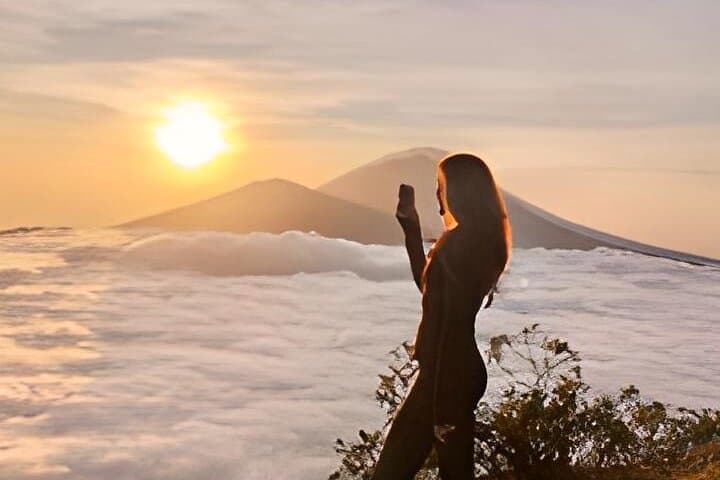
You start before the dark, the driver threading down narrow Balinese lanes toward the broad rim of Batur’s caldera. Headlamps pick out the volcanic scree as the guide sets cadence; the summit trail pitches steady and rhythmic, a chain of footfalls moving toward the horizon. At first light the crater silhouette sharpens, and steam from the hot spring below seems to promise relief even as the sun pries color from the sky.
You start before the dark, the driver threading down narrow Balinese lanes toward the broad rim of Batur’s caldera. Headlamps pick out the volcanic scree as the guide sets cadence; the summit trail pitches steady and rhythmic, a chain of footfalls moving toward the horizon. At first light the crater silhouette sharpens, and steam from the hot spring below seems to promise relief even as the sun pries color from the sky.
Geology here is immediate: Mount Batur sits inside a larger caldera formed by older collapses, its own cone a frequently active peak rising to about 1,717 meters. The Kintamani region has been farmed for generations—rice terraces and coffee gardens cling to the cooler slopes, and local guides often explain rituals tied to the volcano and nearby temples.
Expect a 1.5–2 hour ascent on mixed volcanic sand and rock, views into a smoking crater and across Lake Batur, followed by a gentle descent to Toya Bungkah and natural hot springs. After soaking in mineral-rich pools you may stop at a nearby coffee plantation for a brief tasting—Bali’s highland beans are a local staple.
Practical guidance: start with a warm, windproof layer, a reliable headlamp, at least 1.5 liters of water and sturdy shoes with good traction. Go early to avoid crowds and heavier midday heat; follow your guide’s pace and keep to the marked path to reduce erosion. If you’re sensitive to steep slopes or have cardiovascular concerns, consult a doctor—guides rate the trek as accessible to most fit travelers but steady footing is required.