THE ADVENTURE COLLECTIVE® · Independent discovery and booking for outdoor travel

Climb into the pre-dawn hush and watch Mount Batur’s crater light up as morning spills across the caldera. This guided sunrise trek pairs volcanic geology, steam-cooked breakfasts and sharp crater views with local knowledge and practical logistics.
Climb into the pre-dawn hush and watch Mount Batur’s crater light up as morning spills across the caldera. This guided sunrise trek pairs volcanic geology, steam-cooked breakfasts and sharp crater views with local knowledge and practical logistics.
Before dawn, the jeep eases into Toya Bungkah and a line of headlamps threads up the slope—your guide’s torch carving a path through cool, volcanic air as the crater silhouette looms above. The climb is workmanlike: steep pitches, loose ash, and occasional stone steps that demand steady footing, but the payoff is immediate—sunlight spilling over the caldera and a lake turning from ink to silver.
Verified experiences and guided adventures in the surrounding area.
Operated by Mount Batur Tour Guides · Kintamani, Bali
Before dawn, the jeep eases into Toya Bungkah and a line of headlamps threads up the slope—your guide’s torch carving a path through cool, volcanic air as the crater silhouette looms above. The climb is workmanlike: steep pitches, loose ash, and occasional stone steps that demand steady footing, but the payoff is immediate—sunlight spilling over the caldera and a lake turning from ink to silver.
Geology here is alive. Mount Batur sits inside a large caldera whose eruptions shaped north-central Bali; the volcano itself rises to about 1,717 meters with a typical summit ascent gaining roughly 600–750 meters over 3–4 km one way. Culturally the ridge is part of Balinese highland life—farm terraces, hot springs and the local habit of cooking eggs in steam vents speaks to a landscape people have worked with for generations.
Expect about 2–3 hours of hiking round-trip on firm but uneven volcanic trails, with a 30–60 minute window at the rim for breakfast that’s often warmed by geothermal steam. Guides supply walking sticks, torches and bottled water; much of the tour’s eight-hour schedule is transport and waiting for sunrise light.
Practical notes: start times are very early (often 2–4 AM), layers are essential—temperatures drop at altitude—and footwear with good traction matters on loose volcanic sand. Bring water, a charged headlamp, and a camera with a wide-angle lens for the sweeping crater-view photos. If you have cardiovascular concerns or serious back issues, opt for a gentler morning activity—this trek is best for people in moderate shape who can manage sustained uphill hiking.
moderate.
2–4 hours (hike only); 6–8 hours total with transport.
Good cardiovascular fitness and sturdy legs for sustained uphill hiking; not suitable for those with serious back or heart conditions
The trail is typically 3–4 km one way with 600–750 m of elevation gain; most groups take 1.5–3 hours to ascend depending on pace.
Yes—local guides lead the ascent and often provide walking sticks, torches, bottled water and a light breakfast; private transport to the trailhead is commonly included.
Mount Batur is an active volcano with monitored activity; tours operate when local authorities consider conditions safe, but check closures during increased seismic activity.
People with serious cardiovascular disease, significant back or spinal issues, or those unable to hike on steep, uneven terrain should avoid this trek.
Mount Batur and its caldera have shaped north Bali’s farming and settlement patterns for centuries; villagers use volcanic soils for fruit and vegetable terraces.
Stick to established trails to avoid erosion of fragile volcanic soils; many guides support local waste-reduction practices and ask visitors to carry out trash.
Mount Batur Tour Guides operates guided outdoor trips and adventures with an emphasis on safety, stewardship, and memorable experiences.
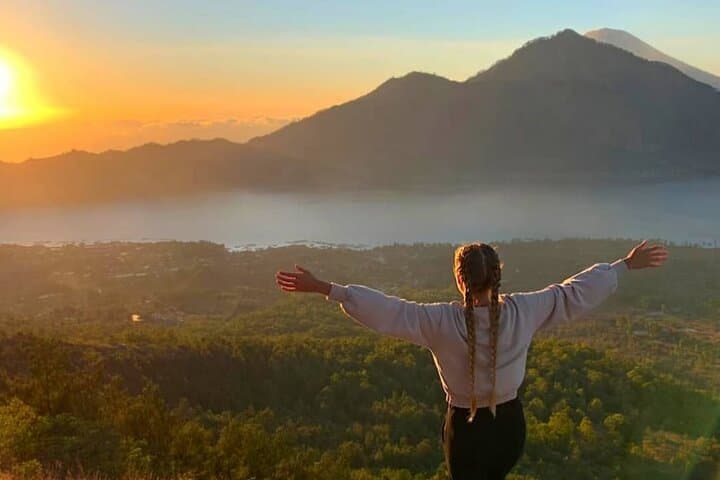
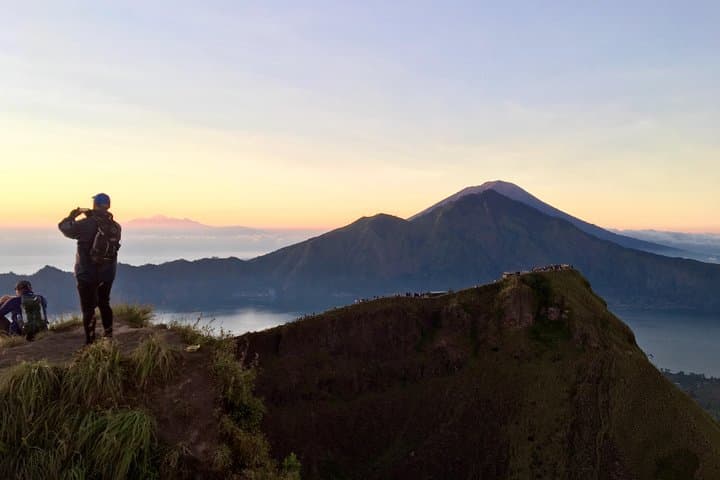
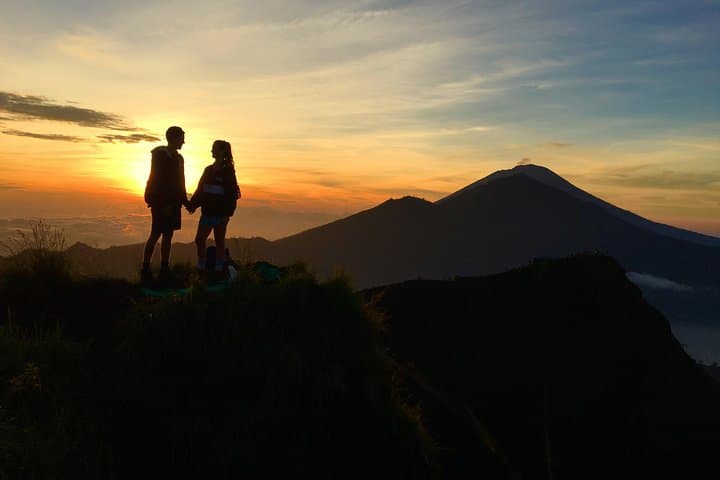
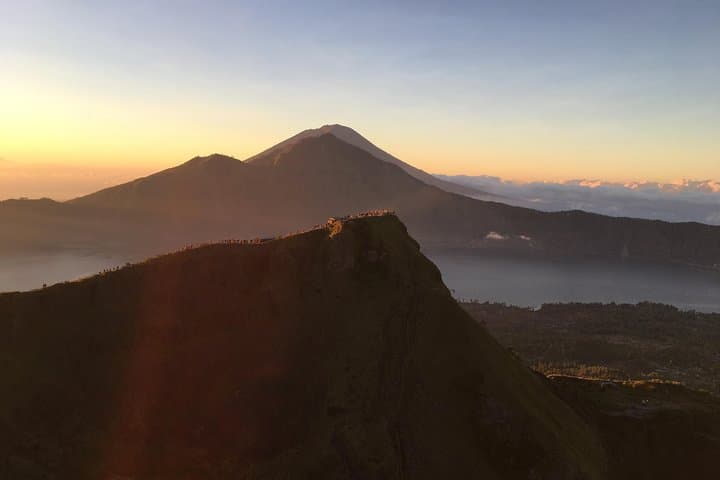
Before dawn, the jeep eases into Toya Bungkah and a line of headlamps threads up the slope—your guide’s torch carving a path through cool, volcanic air as the crater silhouette looms above. The climb is workmanlike: steep pitches, loose ash, and occasional stone steps that demand steady footing, but the payoff is immediate—sunlight spilling over the caldera and a lake turning from ink to silver.
Before dawn, the jeep eases into Toya Bungkah and a line of headlamps threads up the slope—your guide’s torch carving a path through cool, volcanic air as the crater silhouette looms above. The climb is workmanlike: steep pitches, loose ash, and occasional stone steps that demand steady footing, but the payoff is immediate—sunlight spilling over the caldera and a lake turning from ink to silver.
Geology here is alive. Mount Batur sits inside a large caldera whose eruptions shaped north-central Bali; the volcano itself rises to about 1,717 meters with a typical summit ascent gaining roughly 600–750 meters over 3–4 km one way. Culturally the ridge is part of Balinese highland life—farm terraces, hot springs and the local habit of cooking eggs in steam vents speaks to a landscape people have worked with for generations.
Expect about 2–3 hours of hiking round-trip on firm but uneven volcanic trails, with a 30–60 minute window at the rim for breakfast that’s often warmed by geothermal steam. Guides supply walking sticks, torches and bottled water; much of the tour’s eight-hour schedule is transport and waiting for sunrise light.
Practical notes: start times are very early (often 2–4 AM), layers are essential—temperatures drop at altitude—and footwear with good traction matters on loose volcanic sand. Bring water, a charged headlamp, and a camera with a wide-angle lens for the sweeping crater-view photos. If you have cardiovascular concerns or serious back issues, opt for a gentler morning activity—this trek is best for people in moderate shape who can manage sustained uphill hiking.