THE ADVENTURE COLLECTIVE® · Independent discovery and booking for outdoor travel

Climb Mount Batur in the dark, arrive at the rim for sunrise over Lake Batur, then warm up with coffee from a nearby garden. This classic Bali trek pairs volcanic panoramas with cultural stops and practical, early-morning hiking.
Climb Mount Batur in the dark, arrive at the rim for sunrise over Lake Batur, then warm up with coffee from a nearby garden. This classic Bali trek pairs volcanic panoramas with cultural stops and practical, early-morning hiking.
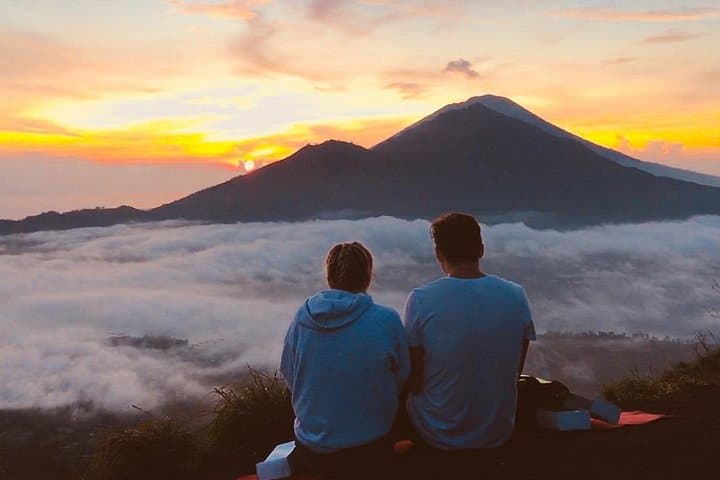
Before dawn the trail feels like a secret being kept by the island itself. Headlamps bob through a curtain of night; the crater rim sits above a sleeping landscape that will soon be painted by the sun. By the time the light untucks itself over Lake Batur, the air carries steam and the thin, volcanic scent of lava-rock soil warmed by day.
Verified experiences and guided adventures in the surrounding area.
Operated by Bali Experinece · Kintamani, Bali
Before dawn the trail feels like a secret being kept by the island itself. Headlamps bob through a curtain of night; the crater rim sits above a sleeping landscape that will soon be painted by the sun. By the time the light untucks itself over Lake Batur, the air carries steam and the thin, volcanic scent of lava-rock soil warmed by day.
Mount Batur is one of Bali's active calderas — a younger cone inside a collapsed crater, with geology that dates back tens of thousands of years and eruptions recorded into the 20th century. The Kintamani region around the mountain has long supported agriculture on fertile volcanic soils; local villages practice a form of communal land use and coffee cultivation introduced and adapted over centuries.
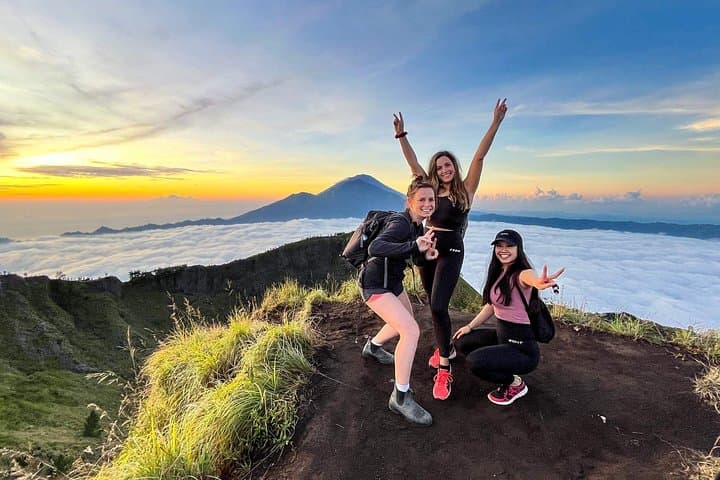
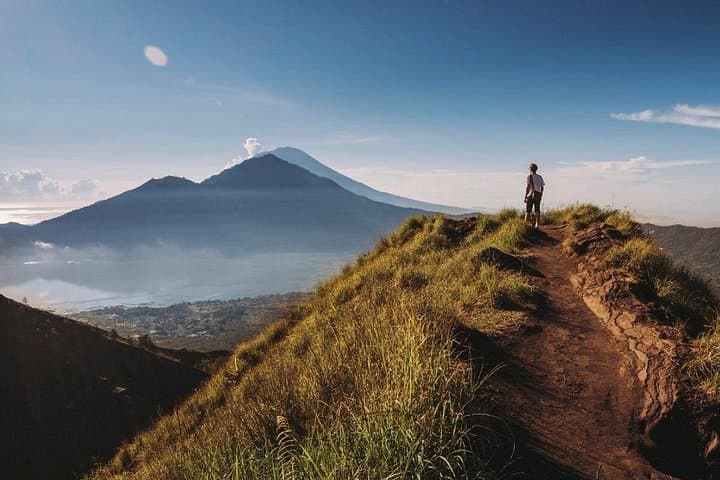
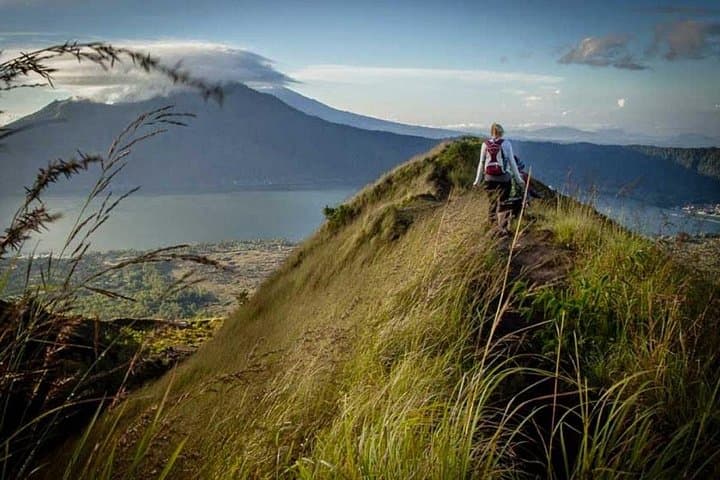
The hike itself is a straightforward pre-dawn ascent across loose volcanic scree and compacted trail, typically 1–2 hours depending on pace, with a short steep final rise onto the rim. Expect wide panoramic views: Lake Batur cupped by the caldera, Mount Agung's silhouette on clear days, and patchwork terraces below. After the summit, many tours include a stop at a nearby coffee garden where local beans are roasted and tasted — a good way to recover and learn about Bali's kopi luwak and arabica traditions.
Practical guidance: start early to avoid crowds and heat, bring layered clothing for cold summit winds, use a headlamp and trekking shoes for loose volcanic terrain, and carry water; trails can be steep and dusty. Pickup from Ubud is common; allow the full morning for transfers, hike, breakfast, and return.
moderate.
4–6 hours.
Good for regular walkers; must manage steady uphill sections and uneven volcanic terrain for 1–2 hours.
Most departures include hotel pickup between 2:00–3:00 AM so you arrive at the trailhead before sunrise; exact times vary by operator.
Yes — the route is non-technical and commonly guided, but it still requires 1–2 hours of uphill walking on loose terrain, so basic fitness is recommended.
Wear layered clothing: breathable base layers for the walk, plus a warm jacket or windbreaker for the summit wait and early morning winds.
Providers often advise against the hike for pregnant travelers and people with serious back or heart conditions; policies on children vary, so check the operator's age restrictions before booking.
The Batur caldera formed through major eruptions and subsequent collapses; local Balinese communities have farmed the fertile slopes and practiced temple rites linked to the volcano for generations.
Stick to established trails to protect fragile volcanic soils and follow local guidelines; many operators support community-based tourism that contributes to conservation and local livelihoods.
Bali Experinece operates guided outdoor trips and adventures with an emphasis on safety, stewardship, and memorable experiences.
Before dawn the trail feels like a secret being kept by the island itself. Headlamps bob through a curtain of night; the crater rim sits above a sleeping landscape that will soon be painted by the sun. By the time the light untucks itself over Lake Batur, the air carries steam and the thin, volcanic scent of lava-rock soil warmed by day.
Before dawn the trail feels like a secret being kept by the island itself. Headlamps bob through a curtain of night; the crater rim sits above a sleeping landscape that will soon be painted by the sun. By the time the light untucks itself over Lake Batur, the air carries steam and the thin, volcanic scent of lava-rock soil warmed by day.
Mount Batur is one of Bali's active calderas — a younger cone inside a collapsed crater, with geology that dates back tens of thousands of years and eruptions recorded into the 20th century. The Kintamani region around the mountain has long supported agriculture on fertile volcanic soils; local villages practice a form of communal land use and coffee cultivation introduced and adapted over centuries.
The hike itself is a straightforward pre-dawn ascent across loose volcanic scree and compacted trail, typically 1–2 hours depending on pace, with a short steep final rise onto the rim. Expect wide panoramic views: Lake Batur cupped by the caldera, Mount Agung's silhouette on clear days, and patchwork terraces below. After the summit, many tours include a stop at a nearby coffee garden where local beans are roasted and tasted — a good way to recover and learn about Bali's kopi luwak and arabica traditions.
Practical guidance: start early to avoid crowds and heat, bring layered clothing for cold summit winds, use a headlamp and trekking shoes for loose volcanic terrain, and carry water; trails can be steep and dusty. Pickup from Ubud is common; allow the full morning for transfers, hike, breakfast, and return.