THE ADVENTURE COLLECTIVE® · Independent discovery and booking for outdoor travel

Catch sunrise from Mount Batur’s 1,717m summit after a pre-dawn drive and a 60–90 minute ascent. This guided trek combines volcanic scenery, a coffee-plantation stop, and practical support like headlamps and breakfast.
Catch sunrise from Mount Batur’s 1,717m summit after a pre-dawn drive and a 60–90 minute ascent. This guided trek combines volcanic scenery, a coffee-plantation stop, and practical support like headlamps and breakfast.
An hour before dawn you step from an air-conditioned minivan into a chill that the tropics rarely remember. Headlamps bob like slow fireflies as the trail pushes up black volcanic scree; behind you the lights of villages fade and ahead the ridge swallows the last stars. Mount Batur’s summit rewards the climb with a crimson horizon unfurling above Lake Batur and the larger caldera—an unapologetic, elemental sunrise that draws hikers from across the island.
Verified experiences and guided adventures in the surrounding area.
Operated by Mount Batur Trekking Guide · Kintamani, Bali
An hour before dawn you step from an air-conditioned minivan into a chill that the tropics rarely remember. Headlamps bob like slow fireflies as the trail pushes up black volcanic scree; behind you the lights of villages fade and ahead the ridge swallows the last stars. Mount Batur’s summit rewards the climb with a crimson horizon unfurling above Lake Batur and the larger caldera—an unapologetic, elemental sunrise that draws hikers from across the island.
Geology etches this route: Batur sits inside a broad caldera and is an active volcano with layers of ash and fragmented lava that make footing change with each turn. The ridge offers open, exposed scrambling and sandy sections where volcanic dust gives way beneath each step. Culturally, the lake and surrounding temples like those near Kintamani play a role in Balinese ritual life, and a post-hike stop at a local coffee plantation connects the ascent to everyday island practice.
Practical guidance is straightforward. The tour commonly drives participants to an elevated trailhead, producing a 60–90 minute ascent for reasonably fit hikers to reach the highest of Batur’s three summits. Operators supply hiking sticks, water, a headlamp/torch, and a simple breakfast; bring sturdy shoes, layered clothing for pre-dawn cold, and at least 1–2 liters of water. Note medical restrictions: not recommended for pregnant travelers or those with serious heart or spinal conditions. Groups typically start very early to reach the peak for sunrise and return via the same route, finishing with a coffee plantation visit.
Expect steep pitches, loose scree, generous views of the caldera and neighboring peaks, and a communal summit atmosphere—this is less a technical climb than a disciplined, rewarding early-morning adventure.
moderate.
10–11 hours.
Moderate fitness needed—able to hike on uneven uphill terrain for up to 90 minutes and manage steep descents.
From the elevated trailhead most groups climb in about 60–90 minutes to the highest summit, with descent roughly the same time.
Fit beginners can usually complete the route with a guide; children may join if comfortable with early starts and steep sections, but check operator age limits.
Typical inclusions are pick-up/transport in an air-conditioned vehicle, hiking stick, torch, breakfast, mineral water, and a post-hike coffee plantation stop.
Standard policy allows a full refund if you cancel at least 24 hours before departure; heavy weather may also prompt operator cancellations.
Mount Batur occupies a volcanic caldera that defines the Kintamani landscape; the mountain and nearby lake have long supported local agriculture and temple life.
Stick to established trails to limit erosion on loose volcanic soil; support local guides and plantations that practice sustainable farming to maintain the area’s ecological and cultural health.
Mount Batur Trekking Guide operates guided outdoor trips and adventures with an emphasis on safety, stewardship, and memorable experiences.
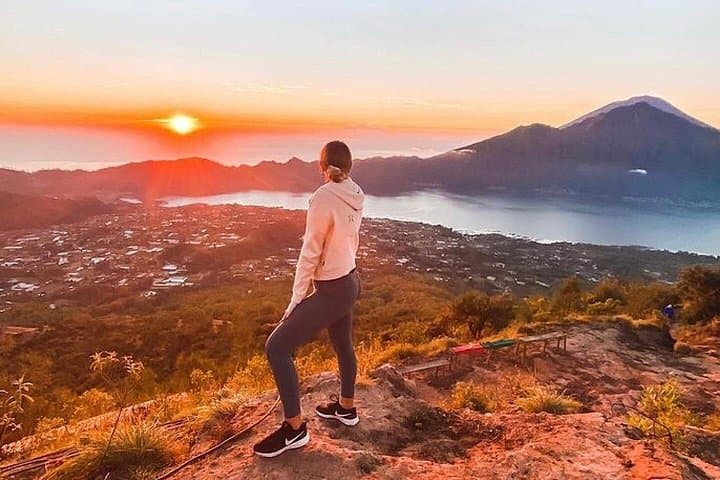
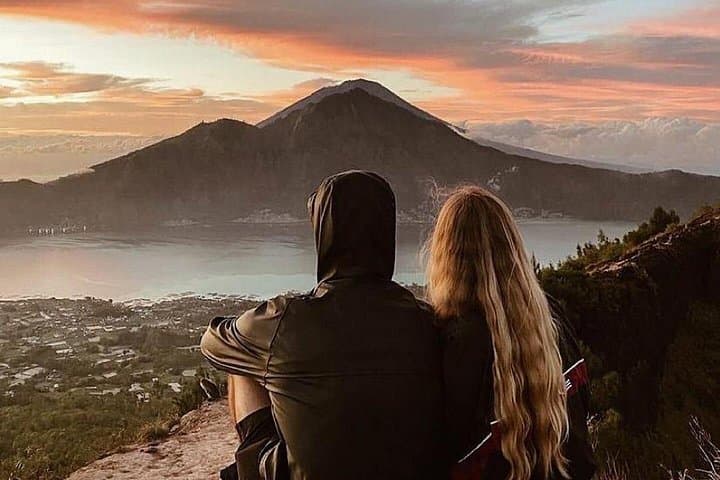
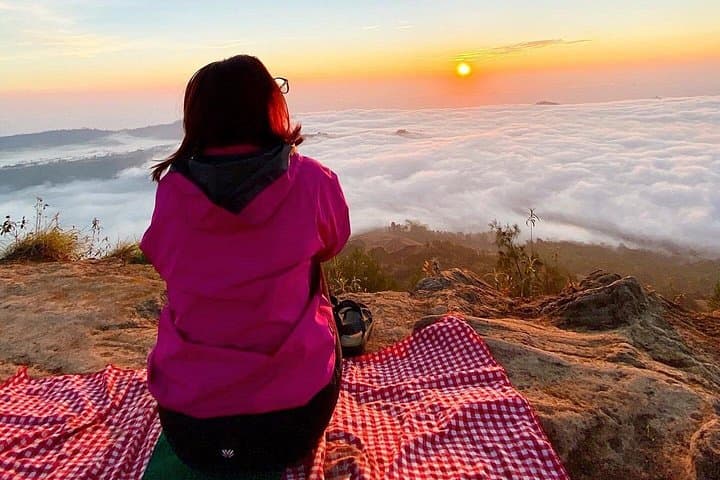
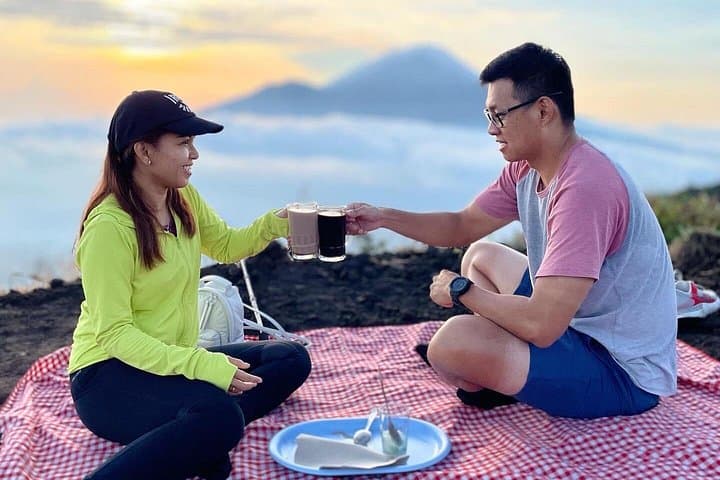
An hour before dawn you step from an air-conditioned minivan into a chill that the tropics rarely remember. Headlamps bob like slow fireflies as the trail pushes up black volcanic scree; behind you the lights of villages fade and ahead the ridge swallows the last stars. Mount Batur’s summit rewards the climb with a crimson horizon unfurling above Lake Batur and the larger caldera—an unapologetic, elemental sunrise that draws hikers from across the island.
An hour before dawn you step from an air-conditioned minivan into a chill that the tropics rarely remember. Headlamps bob like slow fireflies as the trail pushes up black volcanic scree; behind you the lights of villages fade and ahead the ridge swallows the last stars. Mount Batur’s summit rewards the climb with a crimson horizon unfurling above Lake Batur and the larger caldera—an unapologetic, elemental sunrise that draws hikers from across the island.
Geology etches this route: Batur sits inside a broad caldera and is an active volcano with layers of ash and fragmented lava that make footing change with each turn. The ridge offers open, exposed scrambling and sandy sections where volcanic dust gives way beneath each step. Culturally, the lake and surrounding temples like those near Kintamani play a role in Balinese ritual life, and a post-hike stop at a local coffee plantation connects the ascent to everyday island practice.
Practical guidance is straightforward. The tour commonly drives participants to an elevated trailhead, producing a 60–90 minute ascent for reasonably fit hikers to reach the highest of Batur’s three summits. Operators supply hiking sticks, water, a headlamp/torch, and a simple breakfast; bring sturdy shoes, layered clothing for pre-dawn cold, and at least 1–2 liters of water. Note medical restrictions: not recommended for pregnant travelers or those with serious heart or spinal conditions. Groups typically start very early to reach the peak for sunrise and return via the same route, finishing with a coffee plantation visit.
Expect steep pitches, loose scree, generous views of the caldera and neighboring peaks, and a communal summit atmosphere—this is less a technical climb than a disciplined, rewarding early-morning adventure.