THE ADVENTURE COLLECTIVE® · Independent discovery and booking for outdoor travel

Climb before dawn to watch the sun lift over Lake Batur and the caldera—an early, steep trek rewarded with a summit breakfast and sweeping volcanic views. This guide covers what to expect, how to prepare, and local touches that make the trek distinctly Balinese.
Climb before dawn to watch the sun lift over Lake Batur and the caldera—an early, steep trek rewarded with a summit breakfast and sweeping volcanic views. This guide covers what to expect, how to prepare, and local touches that make the trek distinctly Balinese.
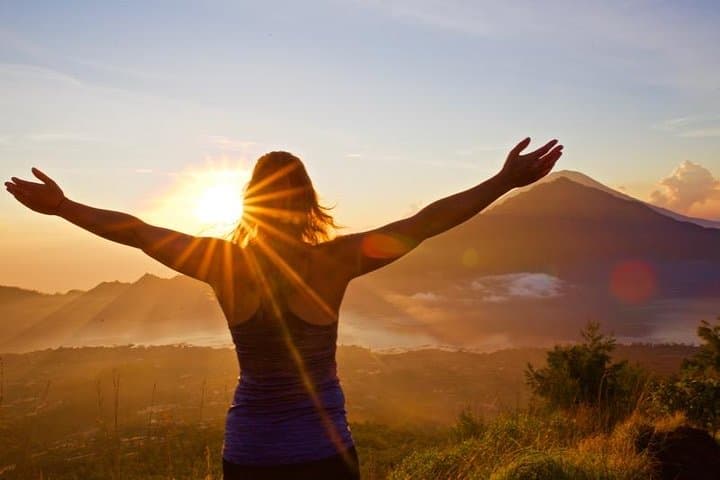
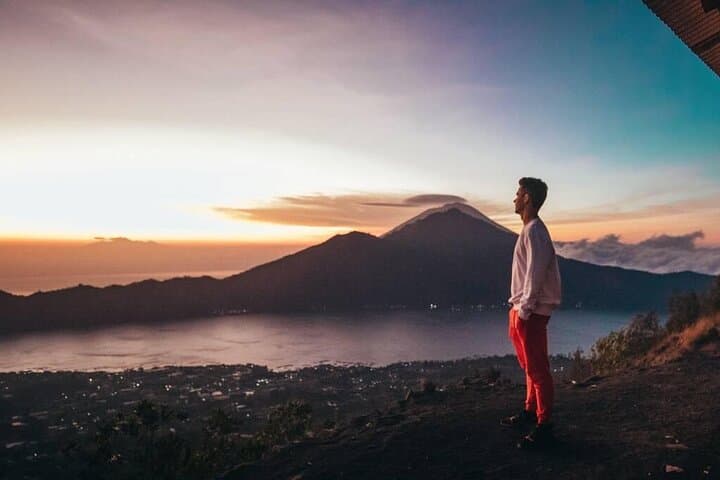
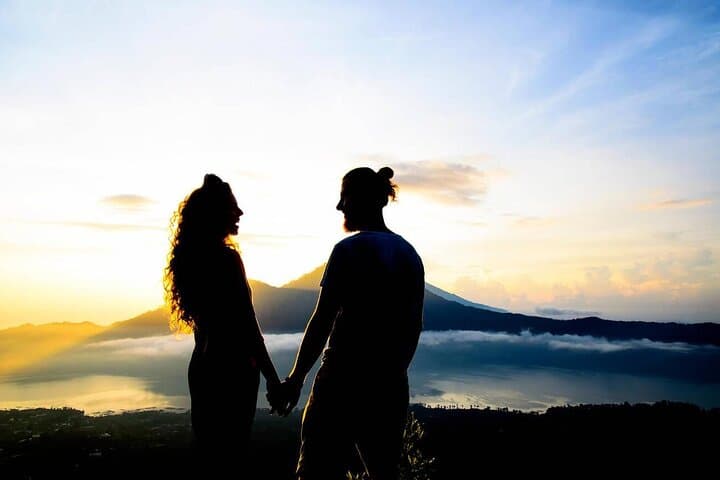
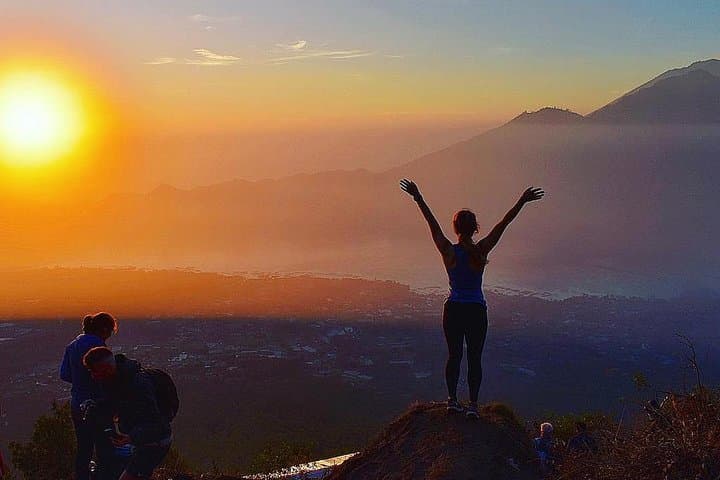
Night air on Bali has a low, humid weight as groups assemble before 03:30. Headlamps stitch narrow ribbons of light up the volcanic trail while the crater’s outline slices the horizon. By the time the slope eases near 1,717 m, the sky begins to sharpen—first a pale seam, then the sun pries itself over the rim and throws a washed gold across Lake Batur below.
Verified experiences and guided adventures in the surrounding area.
Operated by tripbylocals · Kintamani, Bali
Night air on Bali has a low, humid weight as groups assemble before 03:30. Headlamps stitch narrow ribbons of light up the volcanic trail while the crater’s outline slices the horizon. By the time the slope eases near 1,717 m, the sky begins to sharpen—first a pale seam, then the sun pries itself over the rim and throws a washed gold across Lake Batur below.
Geology here is immediate: Mount Batur is an active stratovolcano sitting in a larger caldera carved by ancient eruptions. The trail crosses blackened ash, volcanic sand, and loose rock; occasional steam vents remind hikers the mountain is alive. Culturally, the area around Kintamani and the Batur caldera is threaded with Balinese Hindu temples and farm terraces; local guides often point out how ritual, rice agriculture, and the volcano’s fertility are intertwined.
Expect steep pitches, loose footing, and panoramic views of the lake and neighboring Agung peak. Guides usually serve a simple breakfast at the rim—eggs, banana sandwiches and hot coffee—to warm hands and steady cameras.
Practical guidance: start early to avoid crowds and midday heat, bring a reliable headlamp and layers for cold summit winds, and wear grippy hiking shoes for ash and rock. Hydrate ahead and carry at least 1–1.5L water. Allow time after the descent for a soak in the Batur hot springs and a stop at a local coffee plantation if offered. Respect marked trails and village customs; the ascent rewards effort with one of Bali’s clearest sunrise vantage points and a compact, memorable volcanic landscape.
moderate.
6–8 hours.
Moderate fitness—able to sustain uphill hiking for 1.5–2.5 hours with short breaks
The ascent is moderately steep with loose volcanic footing; most people complete the climb in 1.5–2.5 hours depending on pace and fitness.
At about 1,717 m, altitude-related illness is uncommon, but light-headedness can occur if you’re dehydrated or exerting intensely; pace yourself and hydrate.
Pickup is typically 1–1.5 hours before the climb—expect a full-day excursion of roughly 6–8 hours including transfers, the trek, and optional hot springs stop.
Respect temple zones and local customs near village areas, stay on marked trails, and follow guide instructions—do not approach steam vents or unstable crater edges.
Mount Batur sits within a larger caldera formed by massive prehistoric eruptions; the volcano remains culturally significant to local Balinese communities who perform ceremonies at lakeside temples.
Stick to established paths to avoid erosion on loose volcanic soil, minimize single-use plastics, and support local guides and farms that contribute to responsible tourism.
tripbylocals operates guided outdoor trips and adventures with an emphasis on safety, stewardship, and memorable experiences.
Night air on Bali has a low, humid weight as groups assemble before 03:30. Headlamps stitch narrow ribbons of light up the volcanic trail while the crater’s outline slices the horizon. By the time the slope eases near 1,717 m, the sky begins to sharpen—first a pale seam, then the sun pries itself over the rim and throws a washed gold across Lake Batur below.
Night air on Bali has a low, humid weight as groups assemble before 03:30. Headlamps stitch narrow ribbons of light up the volcanic trail while the crater’s outline slices the horizon. By the time the slope eases near 1,717 m, the sky begins to sharpen—first a pale seam, then the sun pries itself over the rim and throws a washed gold across Lake Batur below.
Geology here is immediate: Mount Batur is an active stratovolcano sitting in a larger caldera carved by ancient eruptions. The trail crosses blackened ash, volcanic sand, and loose rock; occasional steam vents remind hikers the mountain is alive. Culturally, the area around Kintamani and the Batur caldera is threaded with Balinese Hindu temples and farm terraces; local guides often point out how ritual, rice agriculture, and the volcano’s fertility are intertwined.
Expect steep pitches, loose footing, and panoramic views of the lake and neighboring Agung peak. Guides usually serve a simple breakfast at the rim—eggs, banana sandwiches and hot coffee—to warm hands and steady cameras.
Practical guidance: start early to avoid crowds and midday heat, bring a reliable headlamp and layers for cold summit winds, and wear grippy hiking shoes for ash and rock. Hydrate ahead and carry at least 1–1.5L water. Allow time after the descent for a soak in the Batur hot springs and a stop at a local coffee plantation if offered. Respect marked trails and village customs; the ascent rewards effort with one of Bali’s clearest sunrise vantage points and a compact, memorable volcanic landscape.