THE ADVENTURE COLLECTIVE® · Independent discovery and booking for outdoor travel

A pre-dawn climb up volcanic scree leads to a summit breakfast and sunrise over Batur’s steaming caldera. This practical guide explains what to expect, how to prepare, and why the view is worth the early start.
A pre-dawn climb up volcanic scree leads to a summit breakfast and sunrise over Batur’s steaming caldera. This practical guide explains what to expect, how to prepare, and why the view is worth the early start.
Before the horizon wakes, you push up a black slope beneath a scattering of stars. The trail angles through volcanic scree; steam puffs from vents below and the caldera yawns like a dark bowl, daring you forward. By the time color breaks, the crater and Lake Batur are bathed in raw light — orange spilling across jagged ridgelines, the lake answering with a pale mirror.
Verified experiences and guided adventures in the surrounding area.
Operated by Krisna Bali Trekking Tour · Kintamani, Bali
Before the horizon wakes, you push up a black slope beneath a scattering of stars. The trail angles through volcanic scree; steam puffs from vents below and the caldera yawns like a dark bowl, daring you forward. By the time color breaks, the crater and Lake Batur are bathed in raw light — orange spilling across jagged ridgelines, the lake answering with a pale mirror.
Geology and history arrive with the view: Mount Batur is an active stratovolcano sitting inside a larger caldera formed by ancient collapse. Locals revere the mountain in Balinese Hindu tradition, and the crater’s hot springs and fertile soils have supported farms and temples for generations. On clear mornings you can watch local farmers tend terraces and, at the summit, see guides demonstrate the fumaroles used to cook eggs and bananas — a practical local ritual tied to the volcano’s heat.
Practical guidance: the typical guided sunrise trek starts around 2–3 a.m., with a steep 1–2 hour ascent on loose volcanic scree and uneven steps. Expect roughly 3–4 km round trip with about 400–600 m of elevation change depending on the trailhead; allow 4–6 hours total including transport. Bring a reliable headlamp, layered warmth for the summit chill, sturdy grippy shoes for scree, and at least 1–2 liters of water. Respect marked paths to limit erosion, follow your guide’s pace, and plan for early pickup and return to your hotel mid-morning. The payoff is immediate: a summit breakfast with lava-scented air and a panorama that makes the climb feel earned.
moderate.
6–10 hours.
Moderate fitness: able to sustain a steady uphill pace for 1–2 hours on loose scree and steps.
Guided sunrise trips typically involve a 1–2 hour uphill on loose scree and steps; the full tour including transport usually takes 4–6 hours, though some operators list up to 10 hours with hotel pickup.
Mount Batur is active but monitored; guided treks follow safe routes away from hazardous fumaroles and operate when authorities allow access.
Beginners who are reasonably fit can complete the climb; children may join but check age limits with the operator and consider the steep, loose terrain.
Expect wind, cooler temperatures, steam vents used by guides to cook eggs, panoramic views of the caldera and Lake Batur, and crowds on popular mornings.
Mount Batur sits within a larger caldera formed by massive prehistoric eruptions; the mountain and surrounding temples play a role in Balinese ritual life.
Trail erosion is a concern—stick to marked paths, avoid trampling native vegetation, and use local guides to support sustainable tourism.
Krisna Bali Trekking Tour operates guided outdoor trips and adventures with an emphasis on safety, stewardship, and memorable experiences.
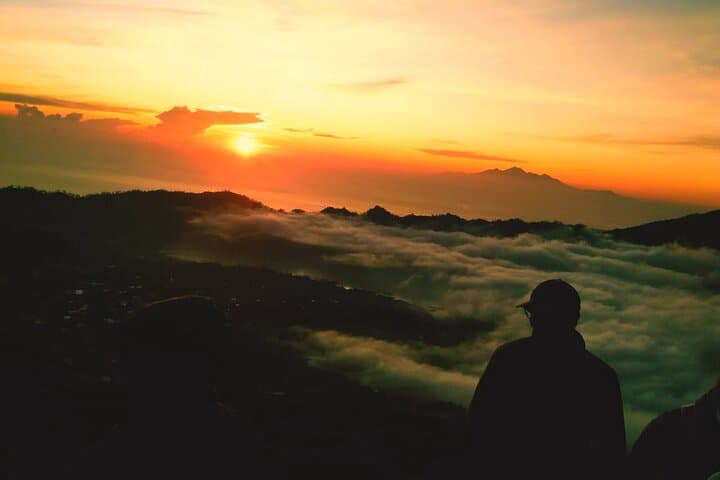
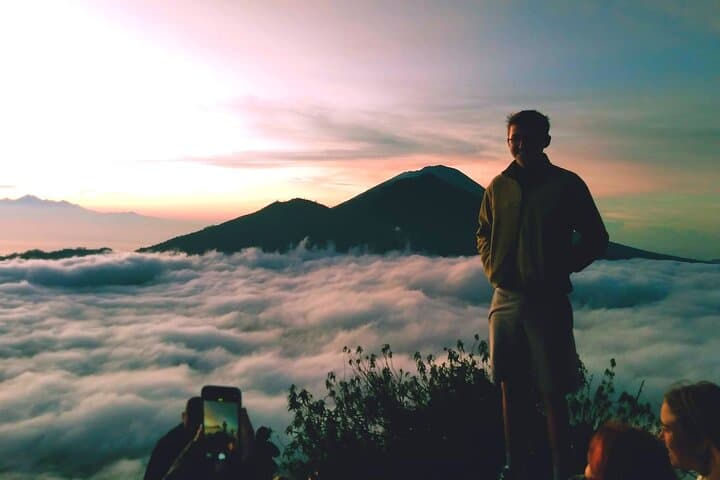
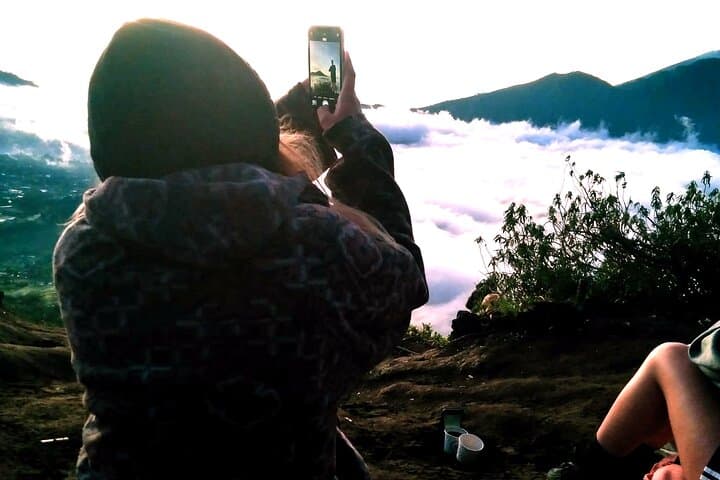
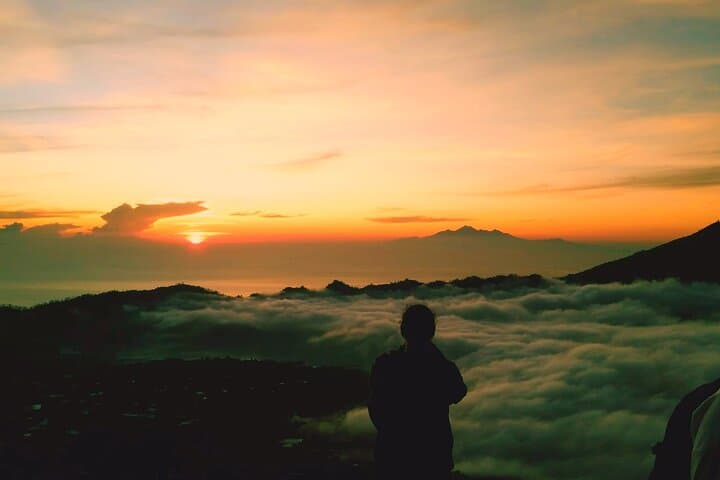
Before the horizon wakes, you push up a black slope beneath a scattering of stars. The trail angles through volcanic scree; steam puffs from vents below and the caldera yawns like a dark bowl, daring you forward. By the time color breaks, the crater and Lake Batur are bathed in raw light — orange spilling across jagged ridgelines, the lake answering with a pale mirror.
Before the horizon wakes, you push up a black slope beneath a scattering of stars. The trail angles through volcanic scree; steam puffs from vents below and the caldera yawns like a dark bowl, daring you forward. By the time color breaks, the crater and Lake Batur are bathed in raw light — orange spilling across jagged ridgelines, the lake answering with a pale mirror.
Geology and history arrive with the view: Mount Batur is an active stratovolcano sitting inside a larger caldera formed by ancient collapse. Locals revere the mountain in Balinese Hindu tradition, and the crater’s hot springs and fertile soils have supported farms and temples for generations. On clear mornings you can watch local farmers tend terraces and, at the summit, see guides demonstrate the fumaroles used to cook eggs and bananas — a practical local ritual tied to the volcano’s heat.
Practical guidance: the typical guided sunrise trek starts around 2–3 a.m., with a steep 1–2 hour ascent on loose volcanic scree and uneven steps. Expect roughly 3–4 km round trip with about 400–600 m of elevation change depending on the trailhead; allow 4–6 hours total including transport. Bring a reliable headlamp, layered warmth for the summit chill, sturdy grippy shoes for scree, and at least 1–2 liters of water. Respect marked paths to limit erosion, follow your guide’s pace, and plan for early pickup and return to your hotel mid-morning. The payoff is immediate: a summit breakfast with lava-scented air and a panorama that makes the climb feel earned.