THE ADVENTURE COLLECTIVE® · Independent discovery and booking for outdoor travel

Ascend Mount Batur in the pre-dawn dark, stand on the caldera rim as steam and first light collide, then return warmed by a simple mountain breakfast. This practical guide covers what to expect—terrain, timing, and local context—to help you plan a safe sunrise summit.
Ascend Mount Batur in the pre-dawn dark, stand on the caldera rim as steam and first light collide, then return warmed by a simple mountain breakfast. This practical guide covers what to expect—terrain, timing, and local context—to help you plan a safe sunrise summit.
Before dawn the jeep puts you at the foot of a black slope and the sky is a low, cool bruise. Headlamps cut slices of light as you climb loose volcanic scree toward the rim; every step brings the world closer to a knife-edge of orange. When the sun crests the caldera, steam rises from vents and the lake below reflects the first clean light—an uncompromising, immediate kind of beauty.
Verified experiences and guided adventures in the surrounding area.
Operated by Rejuna Bali · Kintamani, Bali
Before dawn the jeep puts you at the foot of a black slope and the sky is a low, cool bruise. Headlamps cut slices of light as you climb loose volcanic scree toward the rim; every step brings the world closer to a knife-edge of orange. When the sun crests the caldera, steam rises from vents and the lake below reflects the first clean light—an uncompromising, immediate kind of beauty.
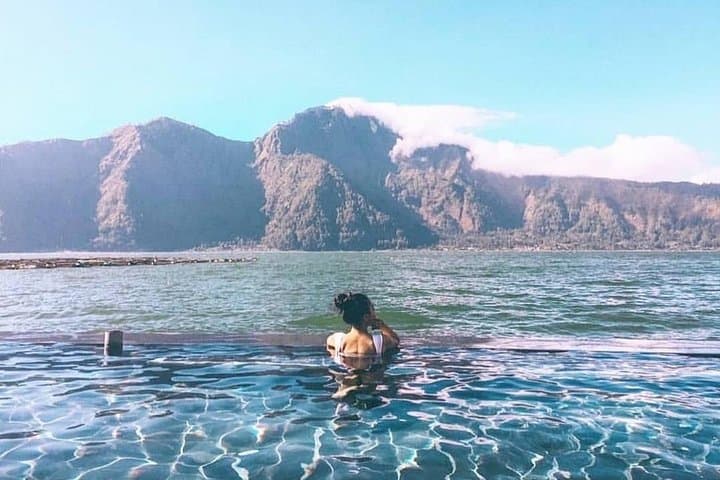
Mount Batur sits inside a large caldera on Bali’s Kintamani plateau; Lake Batur occupies part of that older collapse. The volcano is active and monitored by Indonesian volcanological authorities, and the landscape is dominated by recent lava flows, ash fields, and terraces farmed by local communities. Cultural life here is tied to Balinese Hindu practices and small mountain temples, and many treks end near simple coffee stalls serving Kintamani brew.
Expect 45–90 minutes of uphill on a roughly 6 km round trip over loose gravel and compacted volcanic rock, with about 600–800 m of elevation gain depending on your start point. Guides lead pre-dawn departures from Ubud or Seminyak, include transport and a light breakfast, and handle route-finding and safety.
Practical: bring a sturdy pair of shoes, a warm layer for summit winds, and a headlamp; hydrate before the climb and carry small change for refreshments or tips. Start times are early—arrive warm, steady, and ready for short, steep efforts. Respect sacred sites, stay on the trail, and follow your guide: Mount Batur’s sunrise is immediate, communal, and best earned.
moderate.
4–8 hours (includes transport, ascent, wait at summit, and return).
Good cardio and regular hiking or stair-climbing fitness; able to sustain a steady uphill pace for up to 90 minutes.
The climb typically takes 45–90 minutes each way depending on starting point and fitness; expect 2–3 hours for the hiking portion and more for transport and summit time.
Mount Batur is an active volcano but is monitored; reputable operators adjust or cancel tours for any volcanic activity or unsafe conditions—always check with your guide the morning of departure.
Yes. Local guides know the safest routes, carry basic safety gear, and provide context; most sunrise treks are guided and include pickup and breakfast.
Children in good health can often join, but the activity is not recommended for pregnant travelers or people with significant back or heart conditions—confirm on booking.
Mount Batur sits inside a large caldera formed by prehistoric eruptive events; the current cone occupies part of that collapsed structure and has been active in historic time.
Stay on established trails, avoid disturbing vegetation or wildlife, and support licensed local guides—these practices reduce erosion and respect sacred sites around the caldera.
Rejuna Bali operates guided outdoor trips and adventures with an emphasis on safety, stewardship, and memorable experiences.
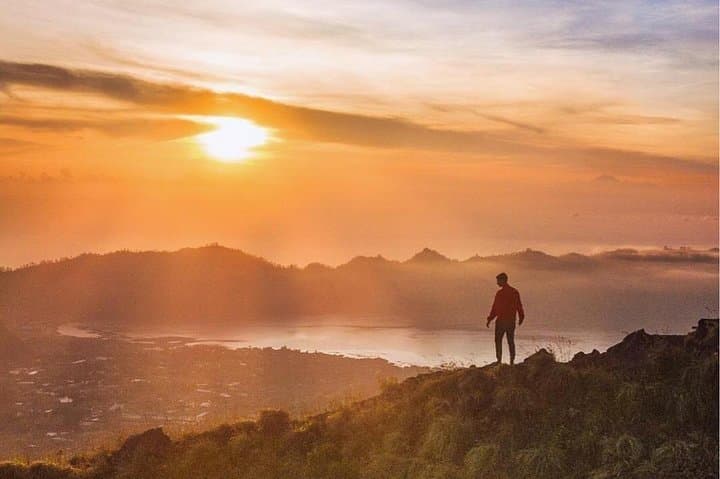
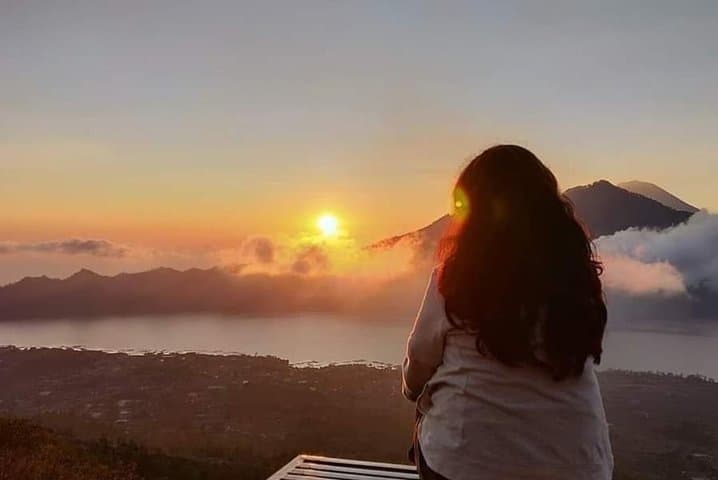
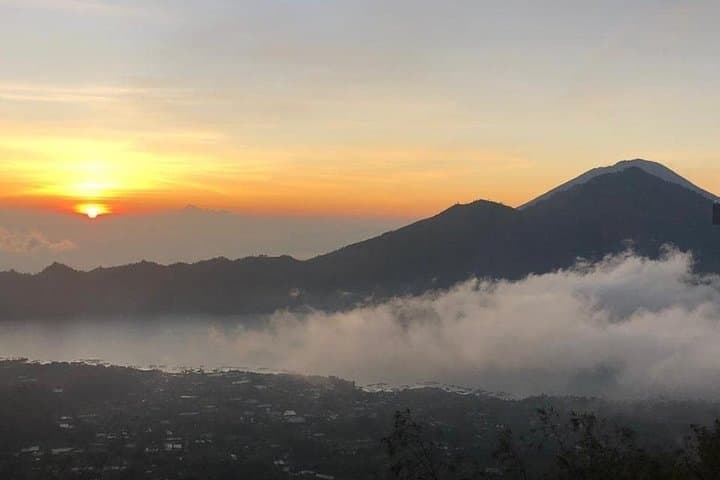
Before dawn the jeep puts you at the foot of a black slope and the sky is a low, cool bruise. Headlamps cut slices of light as you climb loose volcanic scree toward the rim; every step brings the world closer to a knife-edge of orange. When the sun crests the caldera, steam rises from vents and the lake below reflects the first clean light—an uncompromising, immediate kind of beauty.
Before dawn the jeep puts you at the foot of a black slope and the sky is a low, cool bruise. Headlamps cut slices of light as you climb loose volcanic scree toward the rim; every step brings the world closer to a knife-edge of orange. When the sun crests the caldera, steam rises from vents and the lake below reflects the first clean light—an uncompromising, immediate kind of beauty.
Mount Batur sits inside a large caldera on Bali’s Kintamani plateau; Lake Batur occupies part of that older collapse. The volcano is active and monitored by Indonesian volcanological authorities, and the landscape is dominated by recent lava flows, ash fields, and terraces farmed by local communities. Cultural life here is tied to Balinese Hindu practices and small mountain temples, and many treks end near simple coffee stalls serving Kintamani brew.
Expect 45–90 minutes of uphill on a roughly 6 km round trip over loose gravel and compacted volcanic rock, with about 600–800 m of elevation gain depending on your start point. Guides lead pre-dawn departures from Ubud or Seminyak, include transport and a light breakfast, and handle route-finding and safety.
Practical: bring a sturdy pair of shoes, a warm layer for summit winds, and a headlamp; hydrate before the climb and carry small change for refreshments or tips. Start times are early—arrive warm, steady, and ready for short, steep efforts. Respect sacred sites, stay on the trail, and follow your guide: Mount Batur’s sunrise is immediate, communal, and best earned.