THE ADVENTURE COLLECTIVE® · Independent discovery and booking for outdoor travel

Scale Mount Batur before sunrise to watch the caldera ignite, then soothe sore muscles in nearby natural hot springs. This compact trek combines a brisk volcanic ascent, local cultural touches, and panoramic views over Lake Batur.
Scale Mount Batur before sunrise to watch the caldera ignite, then soothe sore muscles in nearby natural hot springs. This compact trek combines a brisk volcanic ascent, local cultural touches, and panoramic views over Lake Batur.
Before dawn, the trail to Mount Batur feels elemental: cool air pressing against your jacket, headlamps bobbing like small planets as the volcano’s silhouette cuts the sky. Guided groups move in steady rhythm up the gravel steps and volcanic scree; the climb is short but persistent, a 1–2 hour push that rewards anyone who reaches the rim with a raw, orange sunrise spilling across the caldera and Lake Batur below.
Verified experiences and guided adventures in the surrounding area.
Operated by PT. Diwira Wisata Indonesia · Kintamani, Bali
Before dawn, the trail to Mount Batur feels elemental: cool air pressing against your jacket, headlamps bobbing like small planets as the volcano’s silhouette cuts the sky. Guided groups move in steady rhythm up the gravel steps and volcanic scree; the climb is short but persistent, a 1–2 hour push that rewards anyone who reaches the rim with a raw, orange sunrise spilling across the caldera and Lake Batur below.
Geology here is active history—the caldera is the product of repeated eruptions and collapses, and the current cone has been reshaped by eruptions over centuries. Balinese culture threads the landscape: small shrines and offerings appear along lower approaches and in the nearby villages, signaling spiritual ties to the mountain.
After the summit, hikers descend to base villages where natural hot springs warm tired muscles amid views of the lake and terraces. Local guides typically include a simple breakfast at the rim and handle logistics; many operators offer hotel pickup from Ubud and surrounding towns.
Practical guidance: start very early (pickup around 2–3 a.m.), wear grippy hiking shoes for loose volcanic rock, carry a headlamp and layers for the chilly pre-dawn, and bring cash for tips and small purchases. The trail is non-technical but can be steep; adjust pace to altitude and avoid the fumaroles. Respect temple spaces and local customs—remove hats or cover shoulders if you pass shrine areas.
A sunrise on Batur is immediate and elemental: the mountain pushes light into the day and asks only for sensible preparation in return.
moderate.
6 hours.
Suitable for people in regular aerobic condition; expect 1–2 hours ascent with steep sections and uneven footing.
The ascent is short but steep in places; most walkers with reasonable fitness complete it in 1–2 hours. Trail is non-technical but uneven, so pace yourself.
Many tour packages include hot spring access, but confirm when booking—some operators offer hot springs as an add-on.
Guides are recommended for safety, local knowledge, and logistics—many areas have shifting trails and local regulations; most operators provide licensed local guides.
The dry season (May to September) offers more reliable sunrise views, though early starts can be clear in transitional months as well.
Mount Batur sits within a large volcanic caldera formed by massive prehistoric eruptions; local villages and temples reflect centuries of Balinese Hindu practice tied to the mountain.
Stay on marked trails to limit erosion of fragile volcanic slopes, avoid touching fumaroles, and support licensed local guides who practice responsible tourism.
PT. Diwira Wisata Indonesia operates guided outdoor trips and adventures with an emphasis on safety, stewardship, and memorable experiences.
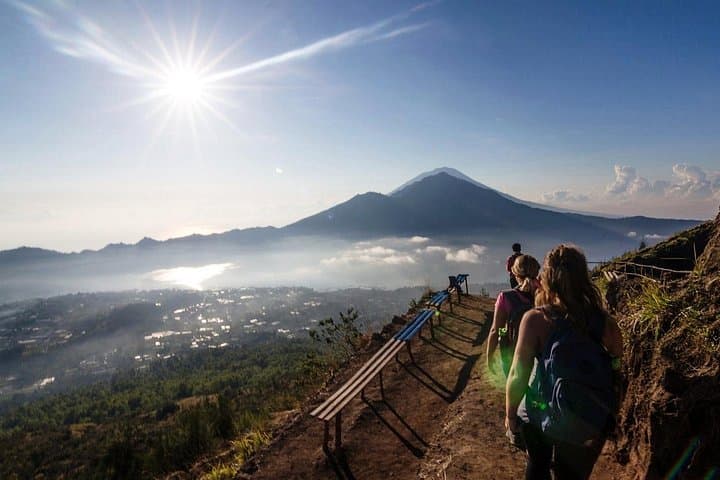
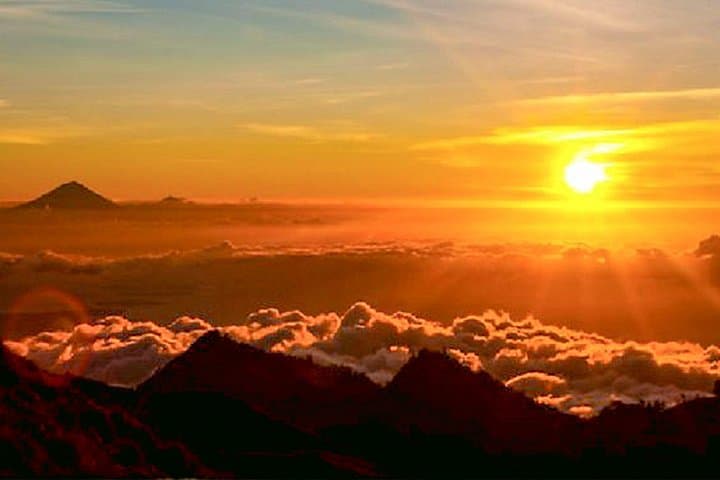

Before dawn, the trail to Mount Batur feels elemental: cool air pressing against your jacket, headlamps bobbing like small planets as the volcano’s silhouette cuts the sky. Guided groups move in steady rhythm up the gravel steps and volcanic scree; the climb is short but persistent, a 1–2 hour push that rewards anyone who reaches the rim with a raw, orange sunrise spilling across the caldera and Lake Batur below.
Before dawn, the trail to Mount Batur feels elemental: cool air pressing against your jacket, headlamps bobbing like small planets as the volcano’s silhouette cuts the sky. Guided groups move in steady rhythm up the gravel steps and volcanic scree; the climb is short but persistent, a 1–2 hour push that rewards anyone who reaches the rim with a raw, orange sunrise spilling across the caldera and Lake Batur below.
Geology here is active history—the caldera is the product of repeated eruptions and collapses, and the current cone has been reshaped by eruptions over centuries. Balinese culture threads the landscape: small shrines and offerings appear along lower approaches and in the nearby villages, signaling spiritual ties to the mountain.
After the summit, hikers descend to base villages where natural hot springs warm tired muscles amid views of the lake and terraces. Local guides typically include a simple breakfast at the rim and handle logistics; many operators offer hotel pickup from Ubud and surrounding towns.
Practical guidance: start very early (pickup around 2–3 a.m.), wear grippy hiking shoes for loose volcanic rock, carry a headlamp and layers for the chilly pre-dawn, and bring cash for tips and small purchases. The trail is non-technical but can be steep; adjust pace to altitude and avoid the fumaroles. Respect temple spaces and local customs—remove hats or cover shoulders if you pass shrine areas.
A sunrise on Batur is immediate and elemental: the mountain pushes light into the day and asks only for sensible preparation in return.