THE ADVENTURE COLLECTIVE® · Independent discovery and booking for outdoor travel

Summit Mount Batur for a sunrise that exposes the caldera’s lava scars, then return to a Balinese home for a hands-on cooking class. This one-day pairing blends a brisk pre-dawn climb with practical cultural immersion.
Summit Mount Batur for a sunrise that exposes the caldera’s lava scars, then return to a Balinese home for a hands-on cooking class. This one-day pairing blends a brisk pre-dawn climb with practical cultural immersion.
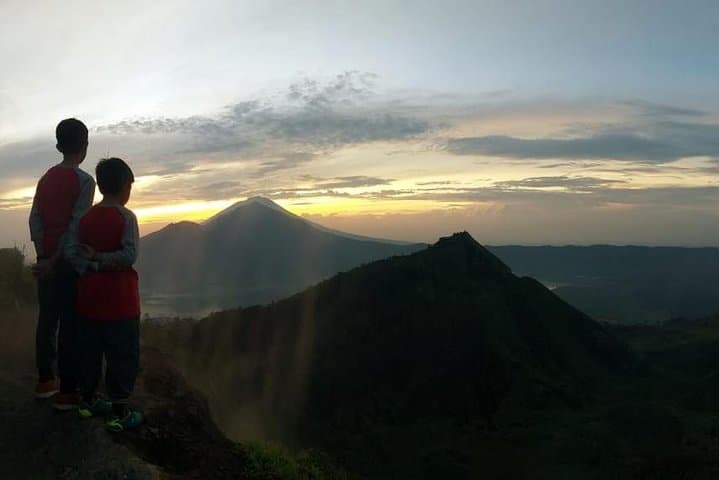
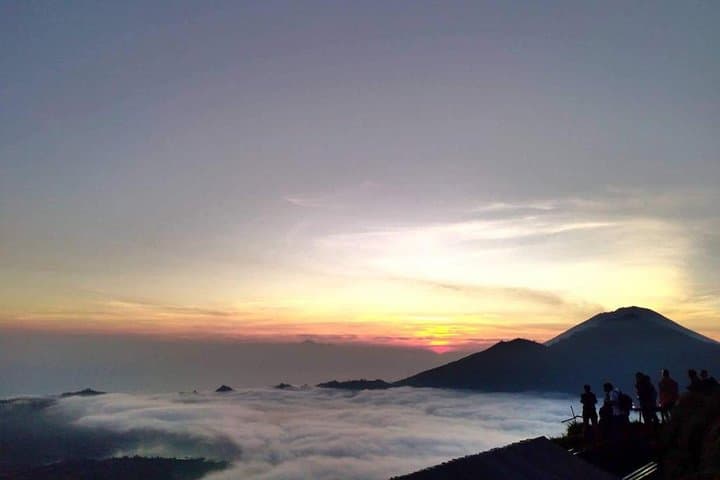
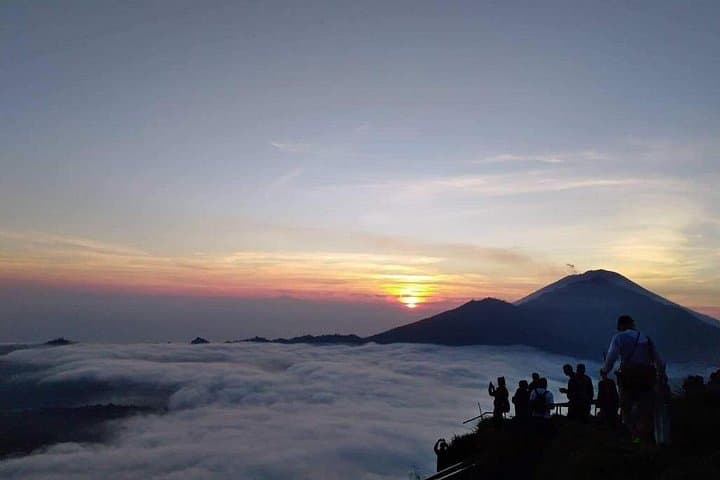
Before dawn the Jeep eases up the narrow mountain road and the air sharpens—cooler and thinner than Bali's rice-terraced lowlands. By torchlight you follow a chain of headlamps over volcanic scree as the ridge begins to outline itself. At the summit the horizon tears open: sunlight spills across a vast caldera, black lava flows streak the slopes, and Lake Batur glints below, daring you to take it all in.
Verified experiences and guided adventures in the surrounding area.
Operated by Dejulius Tour · Kintamani, Bali
Before dawn the Jeep eases up the narrow mountain road and the air sharpens—cooler and thinner than Bali's rice-terraced lowlands. By torchlight you follow a chain of headlamps over volcanic scree as the ridge begins to outline itself. At the summit the horizon tears open: sunlight spills across a vast caldera, black lava flows streak the slopes, and Lake Batur glints below, daring you to take it all in.
Mount Batur is an active volcano at roughly 1,717 m; its caldera was shaped by one of Bali’s most massive eruptions centuries ago. Local villages around Kintamani farm the fertile ash soils and maintain temple rituals that tie volcanic power to daily life—expect small offerings at trail shrines and the quiet presence of guide-led groups honoring local custom.
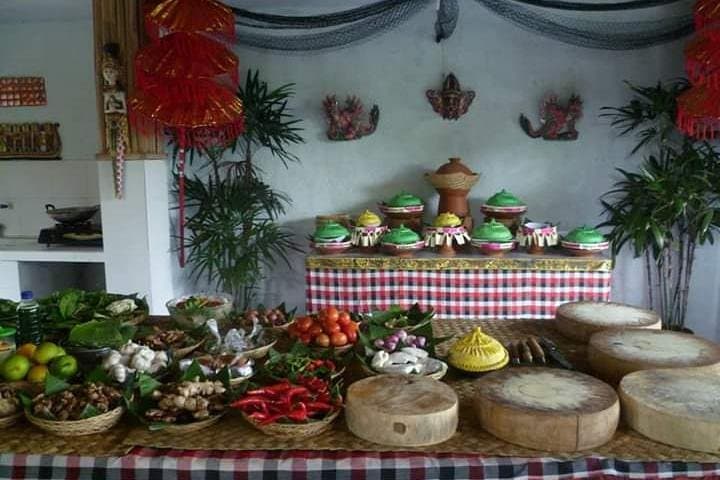
The trek itself is straightforward but earnest: about 2–3 km of uphill switchbacks losing and regaining traction on volcanic sand and rock with roughly 600–800 m of elevation gain depending on your starting point. Guides pace the group for safety and to catch the sunrise window; after descent you move to a Balinese home where a hands-on cooking class covers sambal, base pastes, and a communal meal that grounds the morning in local flavor.
Practical pointers: start pre-dawn, wear stiff-soled shoes for loose rock, bring a headlamp and warm layer for summit winds, and carry water and snacks. Respect temple sites, hire registered guides to support the community, and leave no trace—this combination of a volcanic climb and cultural kitchen is as much about stewardship as it is spectacle.
moderate.
10 hours.
Good basic fitness for sustained uphill hiking (expect 2–3 hours ascending and uneven terrain); able to stand and cook after the trek.
Moderate: the trail is steep and uneven but short; most people reach the summit in 1.5–2.5 hours with regular breaks.
Yes—guides are standard for safety, route knowledge, and cultural context; they also coordinate timing to reach the sunrise window.
Bring an appetite and comfortable, modest clothing; cooking tools and ingredients are provided—notify providers of dietary restrictions in advance.
Altitude is mild but can cause breathlessness for some; Mount Batur is active but monitored—operators cancel tours in unsafe conditions and follow local advisories.
Mount Batur sits in a 13 x 10 km caldera formed by major eruptions; the volcano and surrounding villages have shaped local agriculture and temple traditions for centuries.
Stick to marked trails, carry out waste, and choose guides who support local communities—tourism impacts sensitive slopes and temple sites if unmanaged.
Dejulius Tour operates guided outdoor trips and adventures with an emphasis on safety, stewardship, and memorable experiences.
Before dawn the Jeep eases up the narrow mountain road and the air sharpens—cooler and thinner than Bali's rice-terraced lowlands. By torchlight you follow a chain of headlamps over volcanic scree as the ridge begins to outline itself. At the summit the horizon tears open: sunlight spills across a vast caldera, black lava flows streak the slopes, and Lake Batur glints below, daring you to take it all in.
Before dawn the Jeep eases up the narrow mountain road and the air sharpens—cooler and thinner than Bali's rice-terraced lowlands. By torchlight you follow a chain of headlamps over volcanic scree as the ridge begins to outline itself. At the summit the horizon tears open: sunlight spills across a vast caldera, black lava flows streak the slopes, and Lake Batur glints below, daring you to take it all in.
Mount Batur is an active volcano at roughly 1,717 m; its caldera was shaped by one of Bali’s most massive eruptions centuries ago. Local villages around Kintamani farm the fertile ash soils and maintain temple rituals that tie volcanic power to daily life—expect small offerings at trail shrines and the quiet presence of guide-led groups honoring local custom.
The trek itself is straightforward but earnest: about 2–3 km of uphill switchbacks losing and regaining traction on volcanic sand and rock with roughly 600–800 m of elevation gain depending on your starting point. Guides pace the group for safety and to catch the sunrise window; after descent you move to a Balinese home where a hands-on cooking class covers sambal, base pastes, and a communal meal that grounds the morning in local flavor.
Practical pointers: start pre-dawn, wear stiff-soled shoes for loose rock, bring a headlamp and warm layer for summit winds, and carry water and snacks. Respect temple sites, hire registered guides to support the community, and leave no trace—this combination of a volcanic climb and cultural kitchen is as much about stewardship as it is spectacle.