THE ADVENTURE COLLECTIVE® · Independent discovery and booking for outdoor travel

Head up Mount Batur before dawn to watch sunrise spill over a living volcano and Lake Batur. This guided pre-dawn trek blends volcanic geology, Balinese culture, and a brisk two-hour ascent to a panoramic summit.
Head up Mount Batur before dawn to watch sunrise spill over a living volcano and Lake Batur. This guided pre-dawn trek blends volcanic geology, Balinese culture, and a brisk two-hour ascent to a panoramic summit.
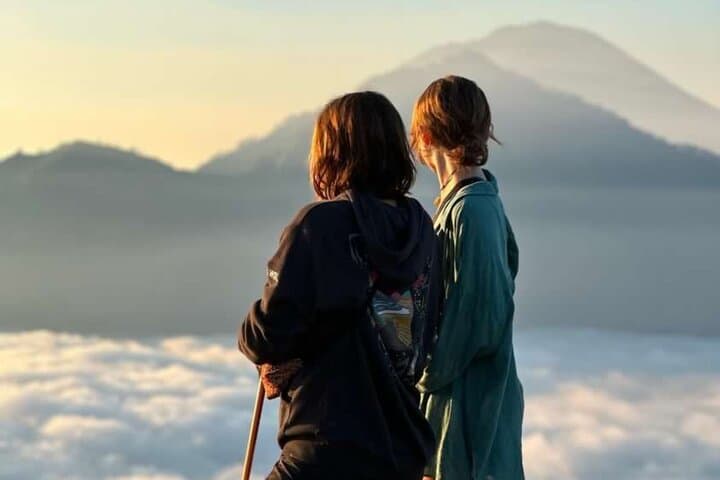
Before the sky brightens, a column of headlamps threads up the black flank of Mount Batur, guides speaking softly as the air tightens with altitude. The summit sits at 1,717 meters, a rim that opens onto a caldera lake and a horizon that swallows the first light; fumaroles hiss like an animal waking, and the crater seems to breathe.
Verified experiences and guided adventures in the surrounding area.
Operated by Ubud Driver · Kintamani, Bali
Before the sky brightens, a column of headlamps threads up the black flank of Mount Batur, guides speaking softly as the air tightens with altitude. The summit sits at 1,717 meters, a rim that opens onto a caldera lake and a horizon that swallows the first light; fumaroles hiss like an animal waking, and the crater seems to breathe.
Geology here is immediate: an active volcano within a larger caldera, Batur’s slopes are lava-formed terraces and volcanic ash, carved by eruptions that reshaped the Kintamani landscape in historic centuries. Culturally the route passes local hamlets and a small temple—walkways where Balinese farmers tend vegetable plots on blackened soil that stays warm year-round. Guides often point out the relationship between the mountain, nearby Lake Batur, and island life: water, heat, and agriculture braided together.
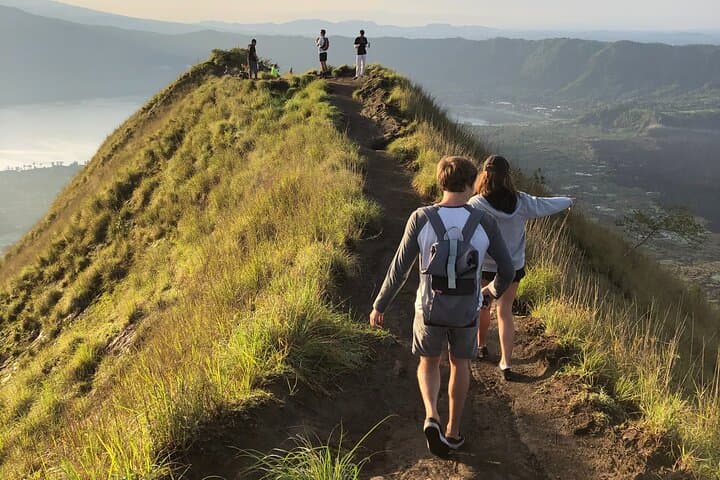
Expect a steep, often rocky trail with loose volcanic scree and intermittent stone steps. Typical ascent is 1.5–2 hours for most fit novices; descent is quicker but requires care. Tours include pre-dawn pickup from Ubud or nearby towns, a local guide, headlamp, walking stick, bottled water, and a simple breakfast at the summit. Pace yourself—start steady, use the provided stick on loose sections, and keep a warm layer for the summit wind.
Practical: wear grippy hiking shoes, bring 1–2 liters of water, and plan for a 4–5 hour door-to-door window when accounting for transfers. Respect temple areas, carry out trash, and allow time at the top for the light to settle—the payoff is both a panorama and a living lesson in volcanic Bali.
moderate.
4–5 hours.
Suitable for people with basic cardio fitness—able to walk steadily uphill for 90–120 minutes and handle uneven, steep terrain.
Most guided groups take about 1.5–2 hours to reach the summit and about 1–1.5 hours to descend; total door-to-door tours run roughly 4–5 hours including transfers.
Yes—fit beginners can complete the route with steady pacing; the trail is steep but not technical. Inform guides of any health concerns before booking.
Standard sunrise hikes usually include hotel pickup, an English-speaking local guide, headlamp, walking stick, bottled water, entrance fees, and a simple breakfast at the summit.
Dry season (roughly April–October) offers clearer skies and firmer trails for sunrise views, but morning starts are recommended year-round for the best visibility and calmer winds.
Mount Batur sits in a caldera formed by major eruptions; local settlements have long revered the volcano in Balinese Hindu rituals tied to agriculture and water.
Stay on marked trails to prevent erosion on fragile volcanic soil, and carry out all waste—local guides help minimize visitor impact by managing group behavior.
Ubud Driver operates guided outdoor trips and adventures with an emphasis on safety, stewardship, and memorable experiences.

Before the sky brightens, a column of headlamps threads up the black flank of Mount Batur, guides speaking softly as the air tightens with altitude. The summit sits at 1,717 meters, a rim that opens onto a caldera lake and a horizon that swallows the first light; fumaroles hiss like an animal waking, and the crater seems to breathe.
Before the sky brightens, a column of headlamps threads up the black flank of Mount Batur, guides speaking softly as the air tightens with altitude. The summit sits at 1,717 meters, a rim that opens onto a caldera lake and a horizon that swallows the first light; fumaroles hiss like an animal waking, and the crater seems to breathe.
Geology here is immediate: an active volcano within a larger caldera, Batur’s slopes are lava-formed terraces and volcanic ash, carved by eruptions that reshaped the Kintamani landscape in historic centuries. Culturally the route passes local hamlets and a small temple—walkways where Balinese farmers tend vegetable plots on blackened soil that stays warm year-round. Guides often point out the relationship between the mountain, nearby Lake Batur, and island life: water, heat, and agriculture braided together.
Expect a steep, often rocky trail with loose volcanic scree and intermittent stone steps. Typical ascent is 1.5–2 hours for most fit novices; descent is quicker but requires care. Tours include pre-dawn pickup from Ubud or nearby towns, a local guide, headlamp, walking stick, bottled water, and a simple breakfast at the summit. Pace yourself—start steady, use the provided stick on loose sections, and keep a warm layer for the summit wind.
Practical: wear grippy hiking shoes, bring 1–2 liters of water, and plan for a 4–5 hour door-to-door window when accounting for transfers. Respect temple areas, carry out trash, and allow time at the top for the light to settle—the payoff is both a panorama and a living lesson in volcanic Bali.