THE ADVENTURE COLLECTIVE® · Independent discovery and booking for outdoor travel

Climb through pre-dawn darkness to watch Lake Batur and Mount Agung ignite at sunrise. This shared, guide-led trek combines a steep, short ascent with local touches—steam-cooked eggs and coffee plantation stops—making it accessible for many travelers.
Climb through pre-dawn darkness to watch Lake Batur and Mount Agung ignite at sunrise. This shared, guide-led trek combines a steep, short ascent with local touches—steam-cooked eggs and coffee plantation stops—making it accessible for many travelers.
Before dawn the trail feels alive: headlamps bob like fireflies as a steady line of climbers threads up basalt scree. The air is cool and thin with expectation; every step climbs you out of Bali’s rice-paddy calm toward a rim that will split night and day.
Verified experiences and guided adventures in the surrounding area.
Operated by Bali Kadek Private Tour Driver · Kintamani, Bali
Before dawn the trail feels alive: headlamps bob like fireflies as a steady line of climbers threads up basalt scree. The air is cool and thin with expectation; every step climbs you out of Bali’s rice-paddy calm toward a rim that will split night and day.
Mount Batur is an active caldera formed during repeated eruptions; the current crater sits within a larger collapsed rim that reshaped the Kintamani landscape centuries ago. For local Balinese villages, Batur is both a geological engine and a cultural marker—offerings on nearby shrines acknowledge its power while coffee plantations on the caldera slopes speak to human adaptation.
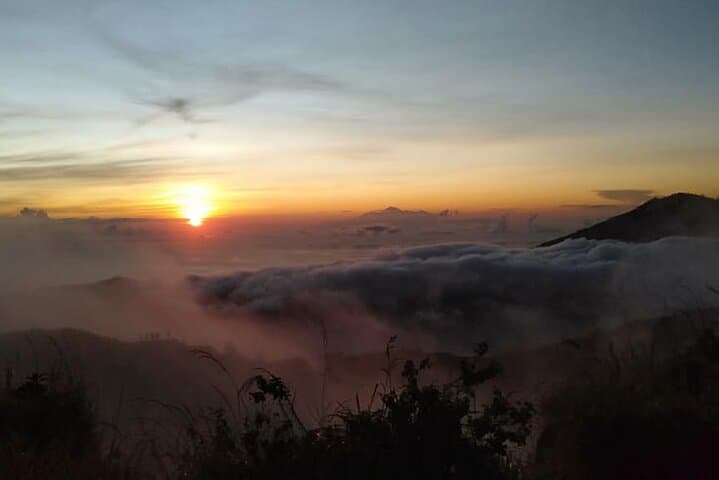
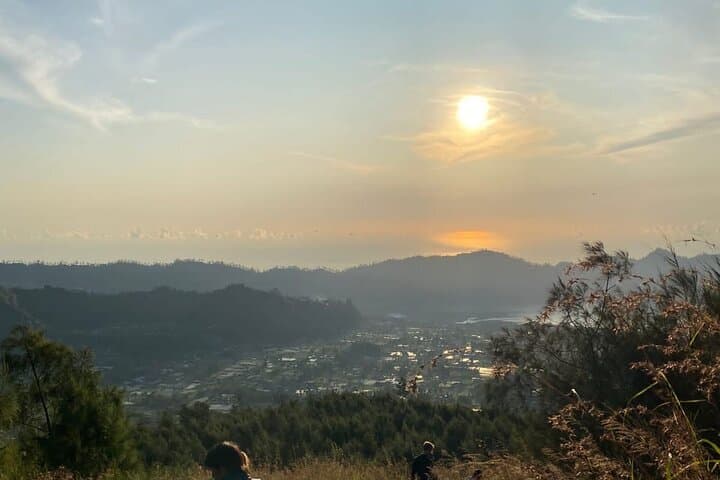
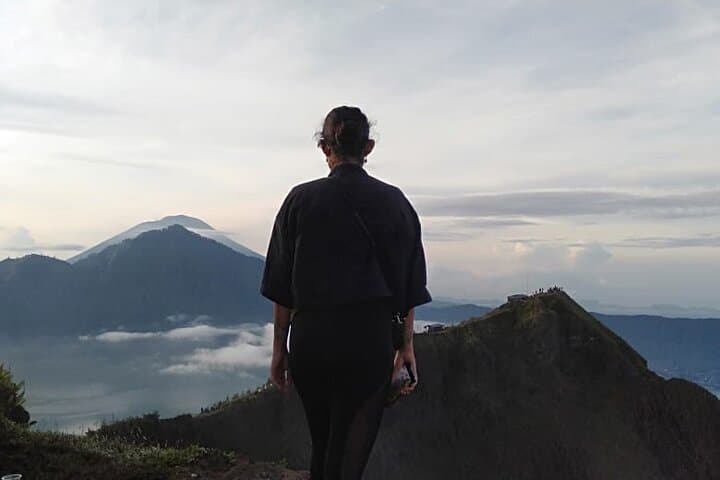
The hike itself is compact and direct: roughly 2–3 km each way with steep switchbacks and loose volcanic rock. The summit sits near 1,700 m elevation and rewards early climbers with a wide sunrise view over Lake Batur and neighboring Mount Agung. Steam-cooked eggs served at the crater edge are a practical local tradition—warm calories and a bit of volcanic theatre.
Expect cool, windy conditions at the top and mud or dust on the lower sections depending on recent rain. Guides lead the shared treks, set a steady pace for mixed-ability groups, and handle route-finding across faint trails. Time your pickup carefully—transfers from Ubud or southern beaches typically start around 1:30–3:00 a.m.
Practical tips: wear grippy hiking shoes, layer for a 10–15°C temperature swing, bring water, and carry a small headlamp or use the guide’s lighting. If you’re sensitive to altitude or steep grades, mention it when booking—guides expect mixed fitness levels and can adjust pace.
moderate.
3–4 hours (hike); 6–10 hours total including transfers.
Suitable for moderately fit travelers who can handle steep switchbacks and short bursts of sustained climbing; basic stamina required.
The ascent is typically 1.5–2 hours depending on pace and fitness; descent is usually faster at 1–1.5 hours.
Yes—guides lead the group, the route is non-technical, and the tour is marketed for mixed fitness levels, but steep sections can challenge true beginners.
A light breakfast is included—commonly bread and steam-boiled eggs cooked in volcanic steam; larger appetites should bring extra snacks.
Mount Batur is an active volcano but tours visit established safe routes; you may see fumaroles and steam but not eruptive events on a standard trek.
The Batur caldera formed from major eruptions over millennia; the area has been important for local agriculture and Balinese ritual life for generations.
Stick to established trails and avoid collecting volcanic rocks; the caldera ecosystem is sensitive to erosion and heavy foot traffic so follow guide instructions.
Bali Kadek Private Tour Driver operates guided outdoor trips and adventures with an emphasis on safety, stewardship, and memorable experiences.
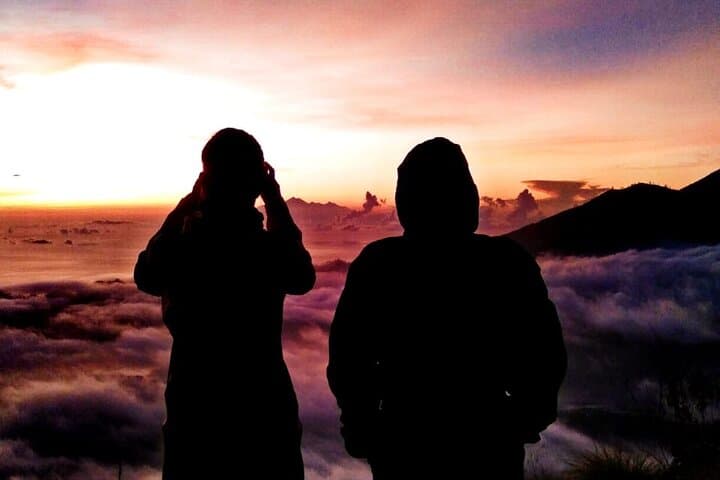
Before dawn the trail feels alive: headlamps bob like fireflies as a steady line of climbers threads up basalt scree. The air is cool and thin with expectation; every step climbs you out of Bali’s rice-paddy calm toward a rim that will split night and day.
Before dawn the trail feels alive: headlamps bob like fireflies as a steady line of climbers threads up basalt scree. The air is cool and thin with expectation; every step climbs you out of Bali’s rice-paddy calm toward a rim that will split night and day.
Mount Batur is an active caldera formed during repeated eruptions; the current crater sits within a larger collapsed rim that reshaped the Kintamani landscape centuries ago. For local Balinese villages, Batur is both a geological engine and a cultural marker—offerings on nearby shrines acknowledge its power while coffee plantations on the caldera slopes speak to human adaptation.
The hike itself is compact and direct: roughly 2–3 km each way with steep switchbacks and loose volcanic rock. The summit sits near 1,700 m elevation and rewards early climbers with a wide sunrise view over Lake Batur and neighboring Mount Agung. Steam-cooked eggs served at the crater edge are a practical local tradition—warm calories and a bit of volcanic theatre.
Expect cool, windy conditions at the top and mud or dust on the lower sections depending on recent rain. Guides lead the shared treks, set a steady pace for mixed-ability groups, and handle route-finding across faint trails. Time your pickup carefully—transfers from Ubud or southern beaches typically start around 1:30–3:00 a.m.
Practical tips: wear grippy hiking shoes, layer for a 10–15°C temperature swing, bring water, and carry a small headlamp or use the guide’s lighting. If you’re sensitive to altitude or steep grades, mention it when booking—guides expect mixed fitness levels and can adjust pace.