THE ADVENTURE COLLECTIVE® · Independent discovery and booking for outdoor travel

Spend an overnight on Mount Batur to watch sunset and sunrise from 1,717 meters, camping on the volcano’s rim with guided meals and a bonfire. This guided experience combines a steep volcanic trek with a ridge-top campsite and sweeping dawn views over Lake Batur and the Indian Ocean.
Spend an overnight on Mount Batur to watch sunset and sunrise from 1,717 meters, camping on the volcano’s rim with guided meals and a bonfire. This guided experience combines a steep volcanic trek with a ridge-top campsite and sweeping dawn views over Lake Batur and the Indian Ocean.
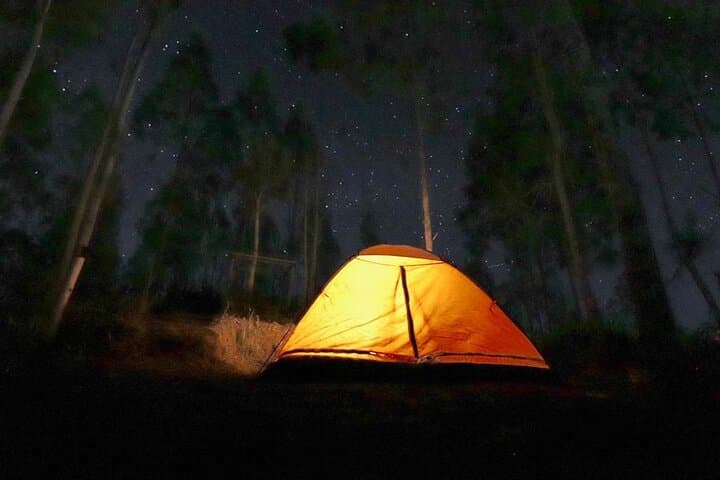
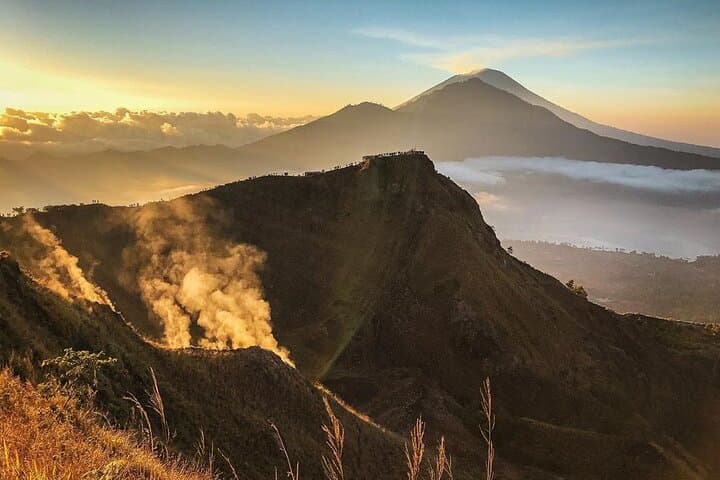
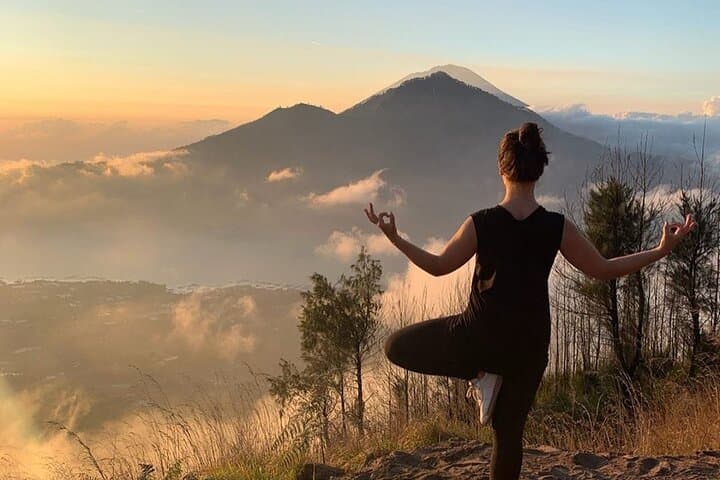
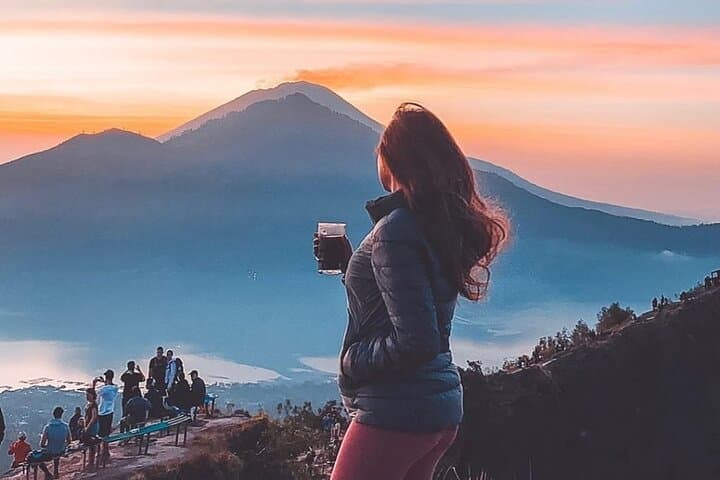
Evening light thins into a wide, cool sky as campers make the last steps toward Mount Batur’s rim. The crater’s silhouette cuts a sharp line against Bali’s fading gold; below, Lake Batur swallows the valley and the Indian Ocean gleams on the far horizon. By night a compact circle of tents and a carefully kept bonfire become a small island of warmth above 1,717 meters.
Verified experiences and guided adventures in the surrounding area.
Operated by Bali Sunrise Hike · Kintamani, Bali
Evening light thins into a wide, cool sky as campers make the last steps toward Mount Batur’s rim. The crater’s silhouette cuts a sharp line against Bali’s fading gold; below, Lake Batur swallows the valley and the Indian Ocean gleams on the far horizon. By night a compact circle of tents and a carefully kept bonfire become a small island of warmth above 1,717 meters.
Mount Batur sits in the center of one of the world’s largest calderas, an active volcano that has shaped the Kintamani landscape for millennia. The area’s geological story—repeated eruptions carving lake basins and ridgelines—meets living Balinese culture in nearby villages, where rice terraces and temple offerings speak to a long relationship with the mountain.
Practical details matter here: the guided trek starts in the afternoon, takes a few hours on steep, often loose volcanic scree, and finishes at a ridge campsite where guides set tents and cook dinner. Expect thin, cool air at night and a crisp, early-morning walk to the sunrise viewpoint. Bring layered insulation, a reliable headlamp, and waterproof protection in the wet season. Hydrate before and during the climb; the ascent tests knees more than lungs for most walkers.
Timing your trip for the dry months improves footing and visibility, but dawn light can be unforgettable any time of year. Respect local customs at temples near the summit, pack out all waste, and follow your guide’s route—camping on an active volcanic rim is an intimate, memorable experience when planned with care.
moderate.
2 days (overnight).
Moderate fitness—able to hike 2–3 hours over steep, loose volcanic terrain and manage short, steep sections while carrying a small overnight pack.
The guided ascent typically takes 2–3 hours depending on fitness and pace; steep, loose volcanic scree makes it moderately strenuous rather than technical.
Standard inclusions are private transport, camping equipment and setup, dinner, breakfast, tea/coffee, bottled water, and an experienced local guide and porter.
Guides operate within monitored areas and follow local safety guidelines; the volcano is active but eruptions are infrequent—respect guide instructions and evacuation notices.
Layers for warmth, a windproof shell, warm hat and gloves for the night, sturdy boots, a headlamp, personal toiletries, and any required medication.
Mount Batur has been central to local Balinese culture and agriculture for centuries; eruptions have periodically reshaped the Kintamani caldera and influenced settlement patterns.
Visitors are encouraged to minimize waste and avoid disturbing sacred temple areas; local guides help manage campsite impact and visitors should follow leave-no-trace practices.
Bali Sunrise Hike operates guided outdoor trips and adventures with an emphasis on safety, stewardship, and memorable experiences.
Evening light thins into a wide, cool sky as campers make the last steps toward Mount Batur’s rim. The crater’s silhouette cuts a sharp line against Bali’s fading gold; below, Lake Batur swallows the valley and the Indian Ocean gleams on the far horizon. By night a compact circle of tents and a carefully kept bonfire become a small island of warmth above 1,717 meters.
Evening light thins into a wide, cool sky as campers make the last steps toward Mount Batur’s rim. The crater’s silhouette cuts a sharp line against Bali’s fading gold; below, Lake Batur swallows the valley and the Indian Ocean gleams on the far horizon. By night a compact circle of tents and a carefully kept bonfire become a small island of warmth above 1,717 meters.
Mount Batur sits in the center of one of the world’s largest calderas, an active volcano that has shaped the Kintamani landscape for millennia. The area’s geological story—repeated eruptions carving lake basins and ridgelines—meets living Balinese culture in nearby villages, where rice terraces and temple offerings speak to a long relationship with the mountain.
Practical details matter here: the guided trek starts in the afternoon, takes a few hours on steep, often loose volcanic scree, and finishes at a ridge campsite where guides set tents and cook dinner. Expect thin, cool air at night and a crisp, early-morning walk to the sunrise viewpoint. Bring layered insulation, a reliable headlamp, and waterproof protection in the wet season. Hydrate before and during the climb; the ascent tests knees more than lungs for most walkers.
Timing your trip for the dry months improves footing and visibility, but dawn light can be unforgettable any time of year. Respect local customs at temples near the summit, pack out all waste, and follow your guide’s route—camping on an active volcanic rim is an intimate, memorable experience when planned with care.