THE ADVENTURE COLLECTIVE® · Independent discovery and booking for outdoor travel

Camp overnight on Mount Batur to watch sunset from the western rim, sleep under a highland sky, and greet dawn with breakfast above Lake Batur. The itinerary pairs a two-hour ascent, summit camping, and a restorative hot-spring soak.
Camp overnight on Mount Batur to watch sunset from the western rim, sleep under a highland sky, and greet dawn with breakfast above Lake Batur. The itinerary pairs a two-hour ascent, summit camping, and a restorative hot-spring soak.
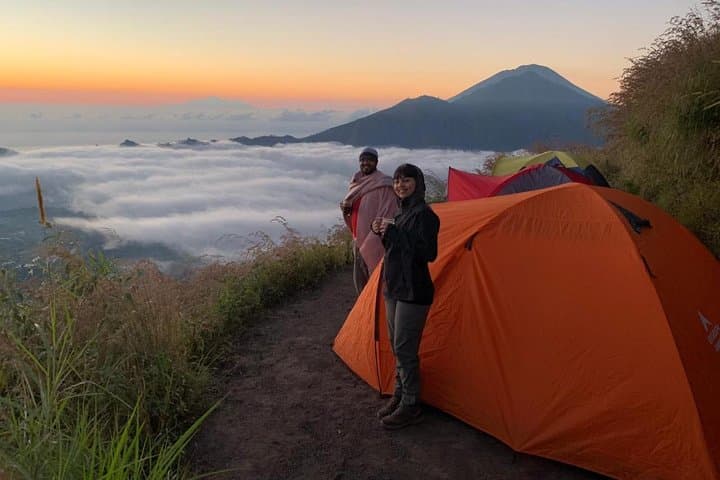
The trail tightens as late afternoon light slants across basalt and scrub; you move with a small group and a headlamp ready, the volcano's silhouette growing taller as the road drops away. At the summit, tents sit on volcanic soil while the western rim frames a bruised-red sunset over Lake Batur. Steam rises faintly from the crater's slopes and the island's lowlands darken beneath you.
Verified experiences and guided adventures in the surrounding area.
Operated by Bagus Bali Sunrise Trekking Tours · Kintamani, Bali
The trail tightens as late afternoon light slants across basalt and scrub; you move with a small group and a headlamp ready, the volcano's silhouette growing taller as the road drops away. At the summit, tents sit on volcanic soil while the western rim frames a bruised-red sunset over Lake Batur. Steam rises faintly from the crater's slopes and the island's lowlands darken beneath you.
Mount Batur is an active stratovolcano that rises to 1,717 meters inside a broad caldera that holds Lake Batur. The mountain's repeated eruptions shaped the surrounding Kintamani plateau; nearby temples such as Pura Ulun Danu Batur and local coffee terraces link daily Balinese life to the mountain's rhythms. Camping on the summit is practical and raw—simple tents, meals cooked over portable stoves, and a walkable rim that gives a close-up study of volcanic rock and fumaroles.
Practically, expect a steep 2‑hour ascent (roughly 600–700 m elevation gain) on mixed dirt, gravel and loose volcanic scree; descent is quicker but still technical in places. Timing is everything: depart mid-afternoon for sunset, rest overnight in a private camp, and be awake before dawn for a sunrise and breakfast on the crater. Bring layered clothing for cold nights, a reliable headlamp, sturdy boots and trekking poles for the scree sections. The tour often finishes with a soak in nearby hot springs—an excellent way to ease knees and muscles.
Respect local guides, stick to established campsites, and pack out trash: high-traffic routes on active volcanoes are fragile, and simple actions preserve this dramatic landscape for the next sunrise.
moderate.
20–26 hours (2 days, 1 night).
Moderate fitness: regular walkers who can manage 2 hours uphill with a 600–700 m gain.
The ascent typically takes about two hours with 600–700 m elevation gain; it's steep in sections but does not require technical climbing—moderate fitness is recommended.
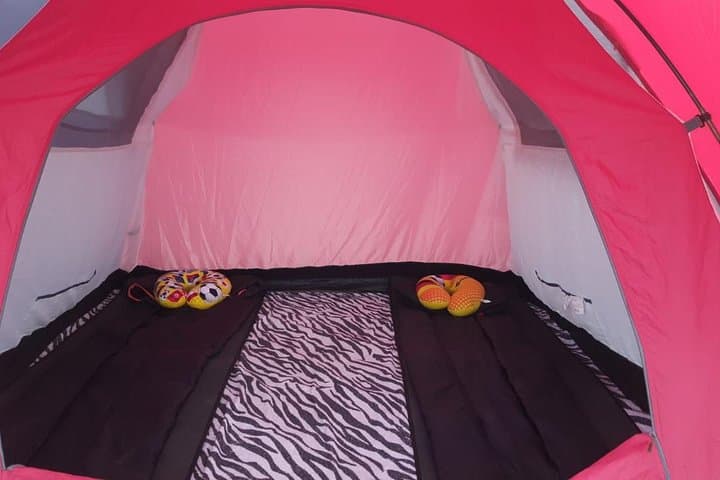
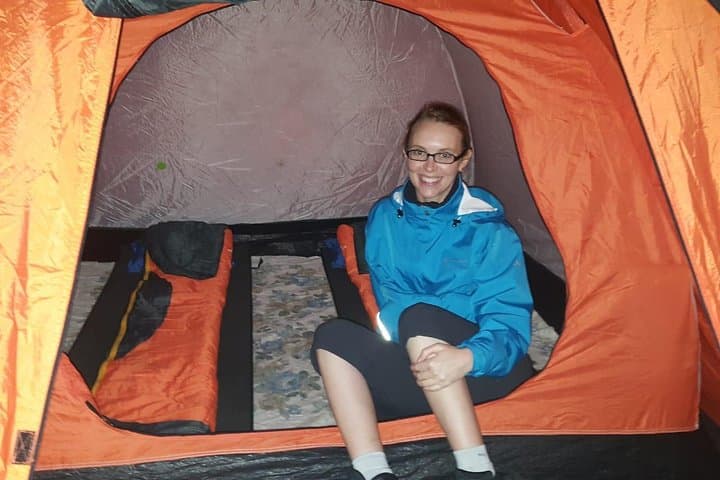
Private tents and basic sleeping gear are provided; meals are cooked on the summit and toilets are basic—expect a rustic mountain camping experience.
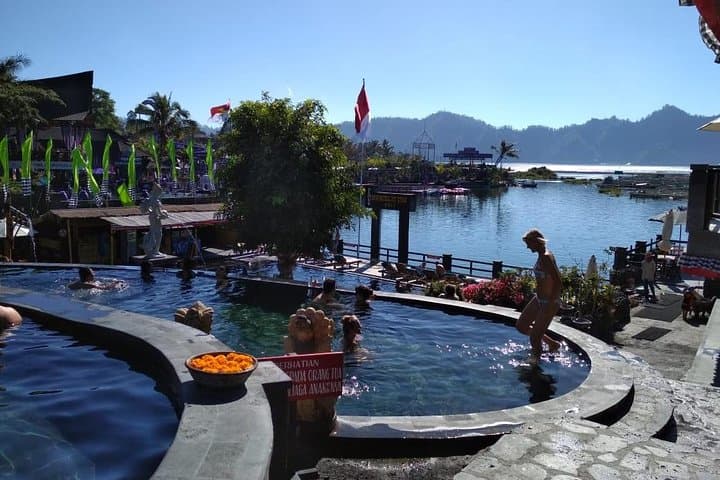
Yes—most itineraries include entrance to a local hot spring and towel use after the hike as part of the tour price.
Bring layered clothing, a warm hat, headlamp, sturdy boots, water (or refillable bottle), and travel insurance if desired; inform guides of any health issues beforehand.
Mount Batur sits within a large caldera formed by past massive eruptions; the lake and surrounding villages have long been central to Balinese irrigation and temple rituals.
High foot traffic strains fragile soils and vegetation—follow guides, stay on paths, and carry out all trash to protect the crater environment.
Bagus Bali Sunrise Trekking Tours operates guided outdoor trips and adventures with an emphasis on safety, stewardship, and memorable experiences.
The trail tightens as late afternoon light slants across basalt and scrub; you move with a small group and a headlamp ready, the volcano's silhouette growing taller as the road drops away. At the summit, tents sit on volcanic soil while the western rim frames a bruised-red sunset over Lake Batur. Steam rises faintly from the crater's slopes and the island's lowlands darken beneath you.
The trail tightens as late afternoon light slants across basalt and scrub; you move with a small group and a headlamp ready, the volcano's silhouette growing taller as the road drops away. At the summit, tents sit on volcanic soil while the western rim frames a bruised-red sunset over Lake Batur. Steam rises faintly from the crater's slopes and the island's lowlands darken beneath you.
Mount Batur is an active stratovolcano that rises to 1,717 meters inside a broad caldera that holds Lake Batur. The mountain's repeated eruptions shaped the surrounding Kintamani plateau; nearby temples such as Pura Ulun Danu Batur and local coffee terraces link daily Balinese life to the mountain's rhythms. Camping on the summit is practical and raw—simple tents, meals cooked over portable stoves, and a walkable rim that gives a close-up study of volcanic rock and fumaroles.
Practically, expect a steep 2‑hour ascent (roughly 600–700 m elevation gain) on mixed dirt, gravel and loose volcanic scree; descent is quicker but still technical in places. Timing is everything: depart mid-afternoon for sunset, rest overnight in a private camp, and be awake before dawn for a sunrise and breakfast on the crater. Bring layered clothing for cold nights, a reliable headlamp, sturdy boots and trekking poles for the scree sections. The tour often finishes with a soak in nearby hot springs—an excellent way to ease knees and muscles.
Respect local guides, stick to established campsites, and pack out trash: high-traffic routes on active volcanoes are fragile, and simple actions preserve this dramatic landscape for the next sunrise.