THE ADVENTURE COLLECTIVE® · Independent discovery and booking for outdoor travel

Pre-dawn headlamps, a steep volcanic climb and sunrise above Bali—Mount Agung’s summit trek blends raw geology with deep local culture. Learn what to expect, how to prepare, and essential tips for this challenging sunrise ascent.
Pre-dawn headlamps, a steep volcanic climb and sunrise above Bali—Mount Agung’s summit trek blends raw geology with deep local culture. Learn what to expect, how to prepare, and essential tips for this challenging sunrise ascent.
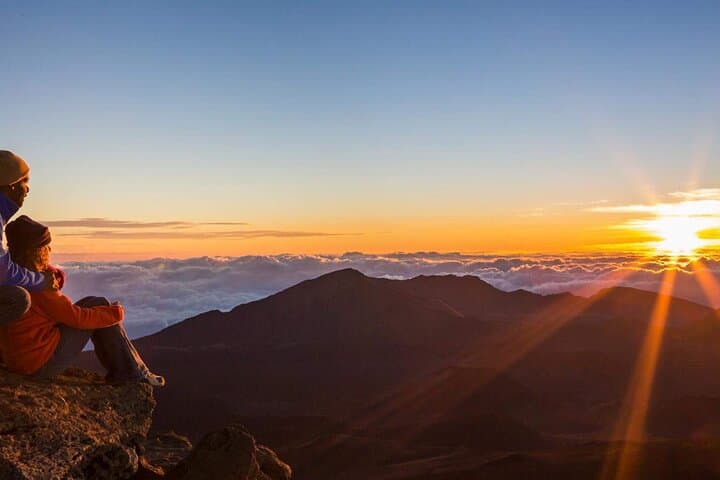
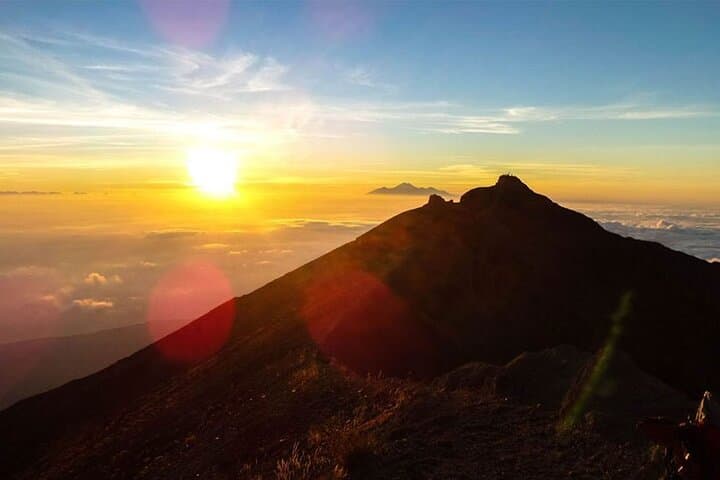
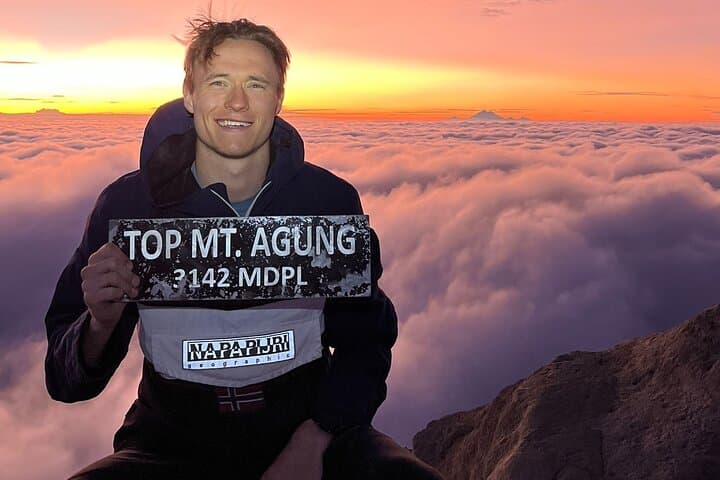
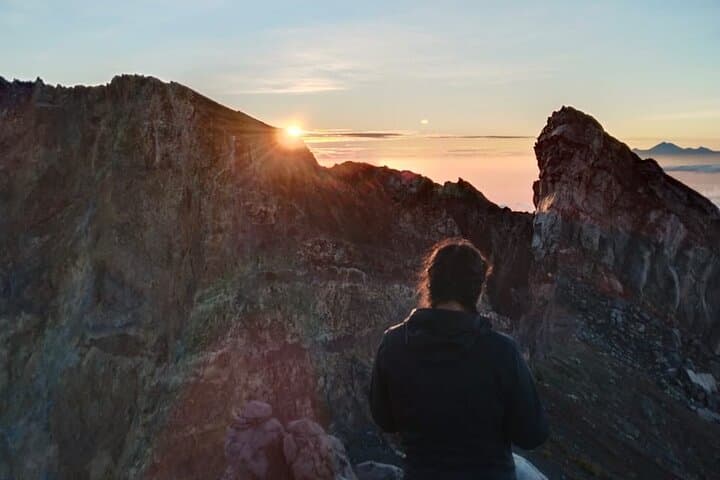
Darkness and headlamps; the trail breathes cold air as small groups climb through a bamboo-and-rainforest corridor toward a sharp silhouette against the pre-dawn sky. By torchlight, footsteps find roots and volcanic rock, and the world narrows to the steady rhythm of the ascent. At the rim, the first light slices across valleys, revealing Bali’s patchwork of rice fields and distant islands—an unforgiving, unforgettable summit view.
Verified experiences and guided adventures in the surrounding area.
Operated by BaliCab · Ubud, Bali
Darkness and headlamps; the trail breathes cold air as small groups climb through a bamboo-and-rainforest corridor toward a sharp silhouette against the pre-dawn sky. By torchlight, footsteps find roots and volcanic rock, and the world narrows to the steady rhythm of the ascent. At the rim, the first light slices across valleys, revealing Bali’s patchwork of rice fields and distant islands—an unforgiving, unforgettable summit view.
Geology and culture meet here: Mount Agung is an active stratovolcano that rises to 3,031 m and forms Bali’s spiritual spine. The mountain’s volcanic soils feed the island’s terraces; nearby Pura Besakih, the “Mother Temple,” anchors local ritual life and frames the climb with cultural significance. Historically the peak has shaped settlement and agriculture, and eruptions—most recently in the 1960s and 2017–18—have rewritten paths and viewpoints.
Expect steep, sustained climbs that begin in forest, transition to loose scree and volcanic rock, and end on exposed ridgelines. The trail is physically demanding and often cold at the summit; guides lead pre-dawn ascents for sunrise photos and safe route-finding.
Practical guidance: reserve a guided trek, start in the early hours, wear stiff-soled boots and layered insulation, and use trekking poles for the descent. Hydrate and eat energy-rich snacks; altitude and loose rock increase strain on knees and ankles. Respect shrine areas, follow Leave No Trace principles, and allow extra time for weather delays—the mountain can close during hazardous conditions. For capable hikers wanting a high-reward sunrise, Mount Agung delivers a raw, cultural, and panoramic summit experience.
challenging.
8–12 hours.
Requires a high level of cardiovascular fitness and leg endurance; prior steep-hike experience recommended
It’s a challenging ascent with long steep sections and loose volcanic rock; hikers should be in good aerobic shape and comfortable with night starts.
Local operators provide guides and handle logistics; guides are strongly recommended for safety and cultural navigation—permits are typically managed by tour providers.
Dry season (May–September) offers more stable weather and clearer sunrise views; operators may cancel during heavy rain or elevated volcanic activity.
At 3,031 m some people feel mild altitude effects—ascend at a steady pace, stay hydrated, and communicate symptoms to your guide.
Mount Agung is both a sacred Balinese landmark and an active volcano; its eruptions have shaped local settlement patterns and the placement of major temples such as Pura Besakih.
Trails are vulnerable to erosion and informal routes—stick to established paths, avoid trampling vegetation, and carry out all trash to reduce impact.
BaliCab operates guided outdoor trips and adventures with an emphasis on safety, stewardship, and memorable experiences.
Darkness and headlamps; the trail breathes cold air as small groups climb through a bamboo-and-rainforest corridor toward a sharp silhouette against the pre-dawn sky. By torchlight, footsteps find roots and volcanic rock, and the world narrows to the steady rhythm of the ascent. At the rim, the first light slices across valleys, revealing Bali’s patchwork of rice fields and distant islands—an unforgiving, unforgettable summit view.
Darkness and headlamps; the trail breathes cold air as small groups climb through a bamboo-and-rainforest corridor toward a sharp silhouette against the pre-dawn sky. By torchlight, footsteps find roots and volcanic rock, and the world narrows to the steady rhythm of the ascent. At the rim, the first light slices across valleys, revealing Bali’s patchwork of rice fields and distant islands—an unforgiving, unforgettable summit view.
Geology and culture meet here: Mount Agung is an active stratovolcano that rises to 3,031 m and forms Bali’s spiritual spine. The mountain’s volcanic soils feed the island’s terraces; nearby Pura Besakih, the “Mother Temple,” anchors local ritual life and frames the climb with cultural significance. Historically the peak has shaped settlement and agriculture, and eruptions—most recently in the 1960s and 2017–18—have rewritten paths and viewpoints.
Expect steep, sustained climbs that begin in forest, transition to loose scree and volcanic rock, and end on exposed ridgelines. The trail is physically demanding and often cold at the summit; guides lead pre-dawn ascents for sunrise photos and safe route-finding.
Practical guidance: reserve a guided trek, start in the early hours, wear stiff-soled boots and layered insulation, and use trekking poles for the descent. Hydrate and eat energy-rich snacks; altitude and loose rock increase strain on knees and ankles. Respect shrine areas, follow Leave No Trace principles, and allow extra time for weather delays—the mountain can close during hazardous conditions. For capable hikers wanting a high-reward sunrise, Mount Agung delivers a raw, cultural, and panoramic summit experience.