THE ADVENTURE COLLECTIVE® · Independent discovery and booking for outdoor travel

Start before dawn and climb through jungle, scree and ritual shrines to reach Bali’s highest summit for an unforgettable sunrise. This guided, single-day trek is steep, often loose underfoot, and demands steady pacing—but rewards hikers with panoramic island views and a culturally rich summit setting.
Start before dawn and climb through jungle, scree and ritual shrines to reach Bali’s highest summit for an unforgettable sunrise. This guided, single-day trek is steep, often loose underfoot, and demands steady pacing—but rewards hikers with panoramic island views and a culturally rich summit setting.
Dawn condenses into a single, steady beam: a line of headlamps climbing from the jungle toward the knife-edge horizon. On the Mount Agung sunrise trek you hike in that thin light, boots finding purchase on volcanic scree while the island below trembles awake—city lamps shrinking, temples outlined, and the first warm color spilling over distant Lombok and Mount Rinjani.
Verified experiences and guided adventures in the surrounding area.
Operated by Dekwar Mount Agung Trekking · Candidasa, Bali
Dawn condenses into a single, steady beam: a line of headlamps climbing from the jungle toward the knife-edge horizon. On the Mount Agung sunrise trek you hike in that thin light, boots finding purchase on volcanic scree while the island below trembles awake—city lamps shrinking, temples outlined, and the first warm color spilling over distant Lombok and Mount Rinjani.
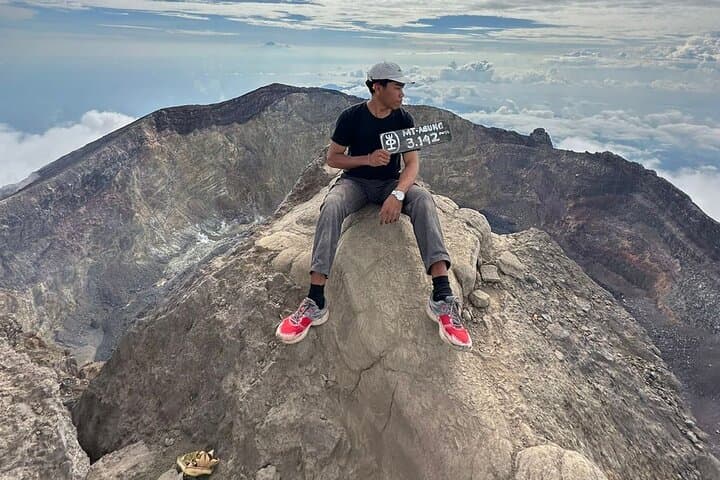
Geology here is blunt and immediate: Agung is a stratovolcano rising to 3,142 m, shaped by layers of ash, lava and recent eruptions (notably 2017). Culturally it is Bali’s most sacred mountain; temples and offerings on lower slopes mark pilgrimage routes and local reverence. Guides will point out Pura Pasar Agung and explain why Balinese ceremonies still orient around Agung’s presence.
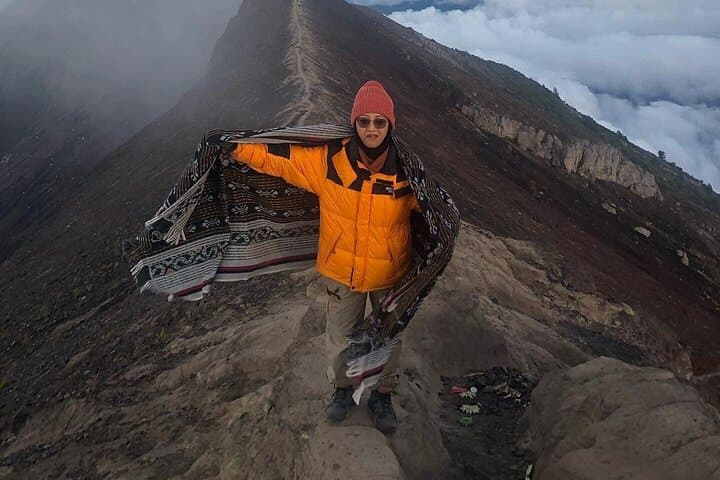
Practically, expect a long, steep day. Operators commonly run 10–12 hour round trips that start around 1–2 a.m. Trails alternate between narrow forest steps, loose volcanic rock and exposed ridgelines. There are three common approaches—Edelweiss Park and two routes via Pura Pasar Agung—each varying in steepness and exposure. Altitude and terrain make pacing essential: move slowly, drink frequently, and follow your guide’s rope or route markers.
Bring a reliable headlamp, warm layers for the summit freeze, gloves, and footwear with good grip. For photographers and early-risers, the payoff is exacting—a dramatic sunrise crown, the thrum of birds, and panoramic views that extend across Bali and toward Lombok.
challenging.
10–12 hours.
Good cardiovascular fitness and leg strength; comfortable on steep, loose terrain and able to hike at altitude for several hours.
Guided trips are typically 10–12 hours round trip, with pre-dawn starts to reach the summit for sunrise.
At 3,142 m the risk exists; drink water, ascend at a steady pace, and let guides monitor symptoms—seek medical attention if you feel severe headaches, nausea or dizziness.
Local guides are customary and advised for safety, route-finding and cultural protocol; operators generally handle permits and temple access if needed.
Not recommended for young children, pregnant travelers, or people with significant heart or spinal issues; a moderate-to-high fitness level is required.
Mount Agung is central to Balinese Hindu practice and looms over the island’s ritual calendar; its 2017 eruption temporarily disrupted pilgrimage and reshaped some routes.
Trails are vulnerable to erosion and litter; stick to marked paths, carry out waste, and respect temple sites and offerings to minimize impact.
Dekwar Mount Agung Trekking operates guided outdoor trips and adventures with an emphasis on safety, stewardship, and memorable experiences.
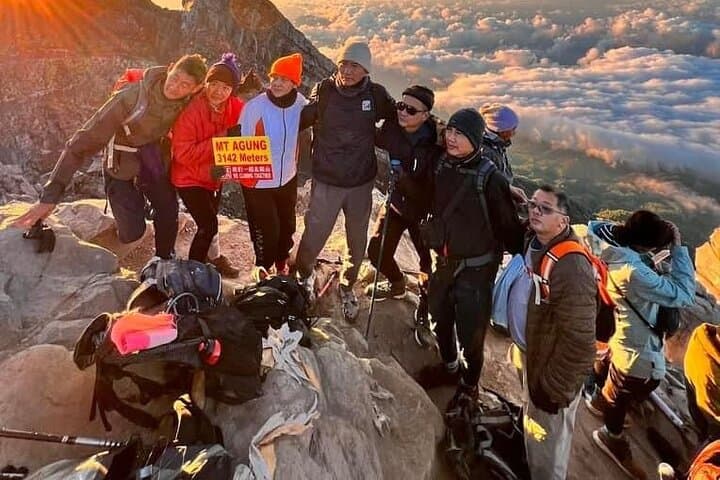
Dawn condenses into a single, steady beam: a line of headlamps climbing from the jungle toward the knife-edge horizon. On the Mount Agung sunrise trek you hike in that thin light, boots finding purchase on volcanic scree while the island below trembles awake—city lamps shrinking, temples outlined, and the first warm color spilling over distant Lombok and Mount Rinjani.
Dawn condenses into a single, steady beam: a line of headlamps climbing from the jungle toward the knife-edge horizon. On the Mount Agung sunrise trek you hike in that thin light, boots finding purchase on volcanic scree while the island below trembles awake—city lamps shrinking, temples outlined, and the first warm color spilling over distant Lombok and Mount Rinjani.
Geology here is blunt and immediate: Agung is a stratovolcano rising to 3,142 m, shaped by layers of ash, lava and recent eruptions (notably 2017). Culturally it is Bali’s most sacred mountain; temples and offerings on lower slopes mark pilgrimage routes and local reverence. Guides will point out Pura Pasar Agung and explain why Balinese ceremonies still orient around Agung’s presence.
Practically, expect a long, steep day. Operators commonly run 10–12 hour round trips that start around 1–2 a.m. Trails alternate between narrow forest steps, loose volcanic rock and exposed ridgelines. There are three common approaches—Edelweiss Park and two routes via Pura Pasar Agung—each varying in steepness and exposure. Altitude and terrain make pacing essential: move slowly, drink frequently, and follow your guide’s rope or route markers.
Bring a reliable headlamp, warm layers for the summit freeze, gloves, and footwear with good grip. For photographers and early-risers, the payoff is exacting—a dramatic sunrise crown, the thrum of birds, and panoramic views that extend across Bali and toward Lombok.