THE ADVENTURE COLLECTIVE® · Independent discovery and booking for outdoor travel

A pre-dawn climb, cold summit air and a sunrise that can unveil all of eastern Bali—Mount Agung’s sunrise trek is a challenging, culturally significant alpine experience. Learn what to expect, how to prepare, and practical tips for a safe ascent.
A pre-dawn climb, cold summit air and a sunrise that can unveil all of eastern Bali—Mount Agung’s sunrise trek is a challenging, culturally significant alpine experience. Learn what to expect, how to prepare, and practical tips for a safe ascent.
Shortly after midnight, a convoy slips away from hotel lights and the road narrows into a ribbon of stars. The trailhead sits in shadow and the mountain’s bulk looms ahead—an obliging, ancient presence that seems to breathe as you gain slope. The pre-dawn climb to Mount Agung (Gunung Agung) is a test of steady, rhythmic effort: steep switchbacks, volcanic scree and occasional lava rock that demand concentration and a measured pace. At the summit, temperatures can plunge and the eastern horizon slices open—clouds part, and the sun drags a new day over Bali and the neighboring islands.
Verified experiences and guided adventures in the surrounding area.
Operated by Indotravelteam · Amlapura, Bali
Shortly after midnight, a convoy slips away from hotel lights and the road narrows into a ribbon of stars. The trailhead sits in shadow and the mountain’s bulk looms ahead—an obliging, ancient presence that seems to breathe as you gain slope. The pre-dawn climb to Mount Agung (Gunung Agung) is a test of steady, rhythmic effort: steep switchbacks, volcanic scree and occasional lava rock that demand concentration and a measured pace. At the summit, temperatures can plunge and the eastern horizon slices open—clouds part, and the sun drags a new day over Bali and the neighboring islands.
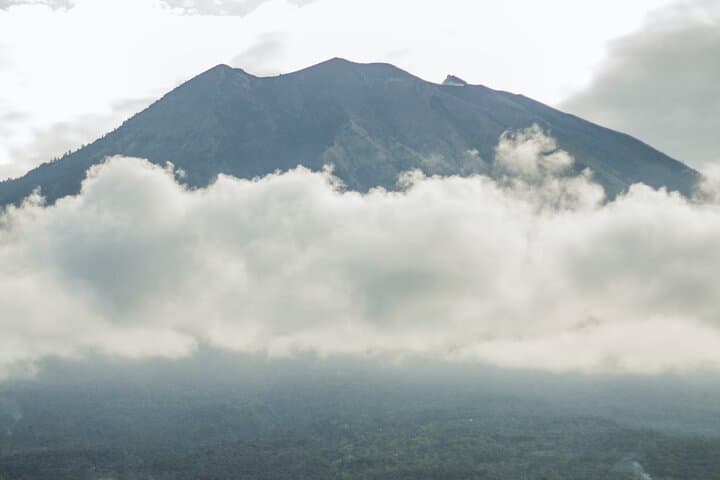
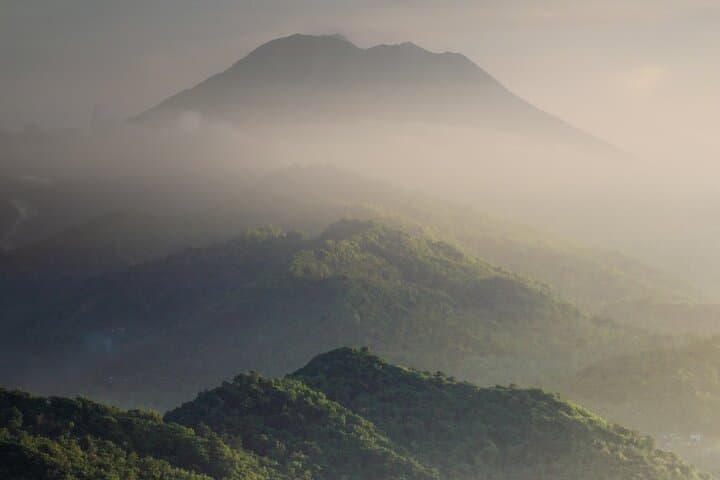
Gunung Agung is Bali’s most sacred peak, home to Pura Besakih on its lower slopes and central to Balinese Hindu rituals. Geologically it’s a stratovolcano whose explosive history includes the major 1963 eruption and renewed activity in 2017; the mountain’s raw slopes are shaped by ash, lava flows and erosion, so trails change. Culturally, guides will quietly remind climbers to respect altar sites and local customs encountered en route.
Practically, expect a 3–4 hour ascent from the higher trailhead, sharp elevation gain, and exposed sections that require sure footing. Guides supply headlamps, bottled water and breakfast on summit; bring warm layers for the cold dawn, a reliable headlamp, sturdy boots and high fitness. Start well-hydrated, move at a sustainable pace, and allow time for cloud cover to clear—sunrise views are unforgettable but never guaranteed. Descend carefully: scree can work your knees. With preparation and respect for the mountain, the sunrise trek to Mount Agung is a hard-earned, visceral introduction to Bali’s volcanic core.
difficult.
10–12 hours.
Best for fit hikers used to steep sustained climbs; cardiovascular stamina and strong knees help for descent.
Most groups ascend in 3–4 hours from the higher trailhead and descend in about 2–3 hours; total door-to-door tours run 10–12 hours including transport.
This trek is strenuous and not recommended for people with low fitness levels or serious health issues; guided support helps but experience on steep trails is important.
No—cloud cover and volcanic haze can block views; guides usually plan extra time on summit to wait for clearing when possible.
Guides are commonly mandatory; local regulations and volcanic activity can restrict access, so book through an operator that monitors conditions.
Gunung Agung is central to Balinese Hindu practice and experienced major eruptions in 1963 and again in 2017, shaping local settlement and rituals.
Trail erosion and litter are local concerns—stick to established routes, pack out waste, and follow guides’ instructions to reduce impact.
Indotravelteam operates guided outdoor trips and adventures with an emphasis on safety, stewardship, and memorable experiences.
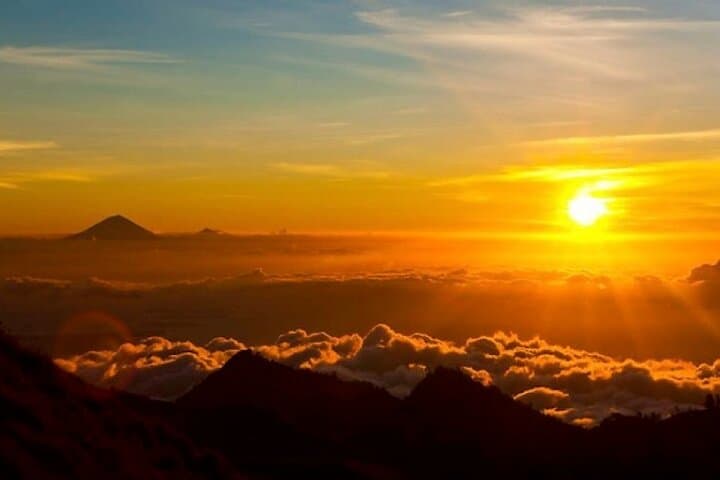
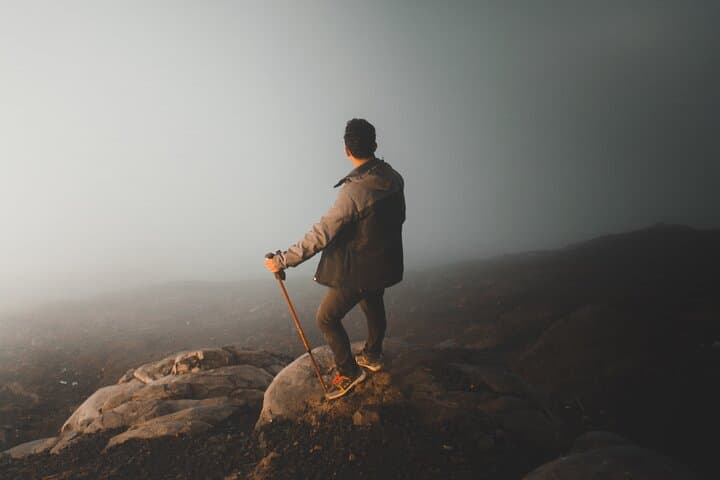
Shortly after midnight, a convoy slips away from hotel lights and the road narrows into a ribbon of stars. The trailhead sits in shadow and the mountain’s bulk looms ahead—an obliging, ancient presence that seems to breathe as you gain slope. The pre-dawn climb to Mount Agung (Gunung Agung) is a test of steady, rhythmic effort: steep switchbacks, volcanic scree and occasional lava rock that demand concentration and a measured pace. At the summit, temperatures can plunge and the eastern horizon slices open—clouds part, and the sun drags a new day over Bali and the neighboring islands.
Shortly after midnight, a convoy slips away from hotel lights and the road narrows into a ribbon of stars. The trailhead sits in shadow and the mountain’s bulk looms ahead—an obliging, ancient presence that seems to breathe as you gain slope. The pre-dawn climb to Mount Agung (Gunung Agung) is a test of steady, rhythmic effort: steep switchbacks, volcanic scree and occasional lava rock that demand concentration and a measured pace. At the summit, temperatures can plunge and the eastern horizon slices open—clouds part, and the sun drags a new day over Bali and the neighboring islands.
Gunung Agung is Bali’s most sacred peak, home to Pura Besakih on its lower slopes and central to Balinese Hindu rituals. Geologically it’s a stratovolcano whose explosive history includes the major 1963 eruption and renewed activity in 2017; the mountain’s raw slopes are shaped by ash, lava flows and erosion, so trails change. Culturally, guides will quietly remind climbers to respect altar sites and local customs encountered en route.
Practically, expect a 3–4 hour ascent from the higher trailhead, sharp elevation gain, and exposed sections that require sure footing. Guides supply headlamps, bottled water and breakfast on summit; bring warm layers for the cold dawn, a reliable headlamp, sturdy boots and high fitness. Start well-hydrated, move at a sustainable pace, and allow time for cloud cover to clear—sunrise views are unforgettable but never guaranteed. Descend carefully: scree can work your knees. With preparation and respect for the mountain, the sunrise trek to Mount Agung is a hard-earned, visceral introduction to Bali’s volcanic core.