THE ADVENTURE COLLECTIVE® · Independent discovery and booking for outdoor travel

Pre-dawn climbs, temple steps and loose volcanic scree coalesce into a demanding but unforgettable summit sunrise on Bali’s highest peak. Read on for what to expect, how to prepare, and local insights that make a private Mount Agung trek safer and more rewarding.
Pre-dawn climbs, temple steps and loose volcanic scree coalesce into a demanding but unforgettable summit sunrise on Bali’s highest peak. Read on for what to expect, how to prepare, and local insights that make a private Mount Agung trek safer and more rewarding.
You leave the hotel before 2 a.m., the van slipping through rice fields under a sky so dark the mountain looms as a black promise. By torchlight you climb past Pasar Agung and the stone steps of Besakih Temple, the air sharpening and the forest shortening until volcanic scree opens to a horizon of cloud and first light.
Verified experiences and guided adventures in the surrounding area.
Operated by Bali Trekking Tour · Amlapura, Bali
You leave the hotel before 2 a.m., the van slipping through rice fields under a sky so dark the mountain looms as a black promise. By torchlight you climb past Pasar Agung and the stone steps of Besakih Temple, the air sharpening and the forest shortening until volcanic scree opens to a horizon of cloud and first light.
Mount Agung is Bali’s highest peak and a living landmark: a stratovolcano that shaped island culture and rhythm. The route threads sacred temple precincts, mossy montane forest, then loose volcanic rock toward a craggy rim. Geologically recent lava and ash deposits create steep, unstable slopes that demand steady footing. Locals revere Agung; rites at Besakih and small shrines along the trail remind climbers this is both landscape and living cultural site.
Expect about 10–12 hours round trip, large elevation gain, sections of loose scree and hornblende-rich lava fields. Sunrise from the true summit can reveal Bali’s coast, Lombok’s Rinjani, and an ocean of clouds below — a raw, earned panorama.
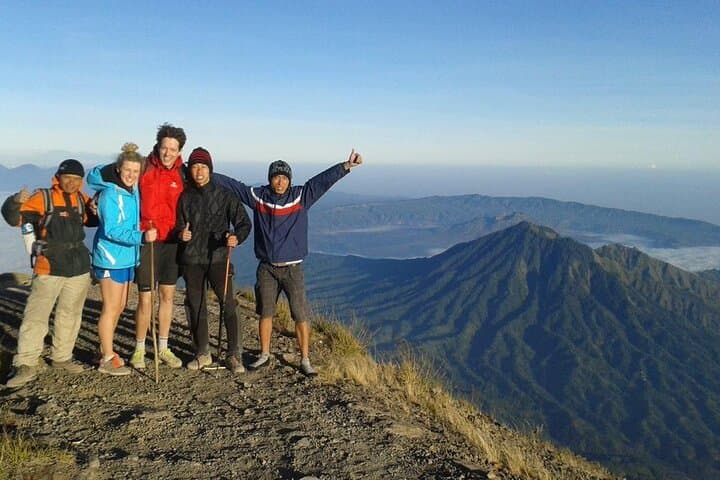
Practical guidance: schedule the climb with an experienced local guide, acclimate with a couple days on the island, and use a fitted headlamp and sturdy boots for the pre-dawn ascent. Start early to avoid afternoon weather; carry water, warm layers for the summit chill, and a rain shell in the wet season. Respect temple areas, stick to marked paths to limit erosion, and leave no trace — the climb is a physical test and a cultural encounter in one.
challenging.
10–12 hours.
Requires high aerobic fitness, prior long-day hiking experience, and comfort on steep, loose terrain.
Yes—local guides handle route-finding, cultural protocols at temple approaches, and safety on unstable slopes; solo summits are discouraged.
High fitness is required: regular endurance hiking experience, good cardiovascular conditioning, and prior long-day treks are strongly recommended.
This trek is not recommended for pregnant travelers or those with cardiovascular or serious spinal conditions; consult a physician if unsure.
The dry season (June–August) offers the most reliable summit windows, but early starts and local weather checks remain crucial year-round.
Mount Agung is central to Balinese Hindu identity; Besakih Temple at its lower slopes is the island’s largest temple complex and erupts culturally and spiritually with the mountain.
Trail erosion and litter are ongoing issues—stick to established trails, avoid expanding informal paths, and respect temple rules to reduce impact.
Bali Trekking Tour operates guided outdoor trips and adventures with an emphasis on safety, stewardship, and memorable experiences.
You leave the hotel before 2 a.m., the van slipping through rice fields under a sky so dark the mountain looms as a black promise. By torchlight you climb past Pasar Agung and the stone steps of Besakih Temple, the air sharpening and the forest shortening until volcanic scree opens to a horizon of cloud and first light.
You leave the hotel before 2 a.m., the van slipping through rice fields under a sky so dark the mountain looms as a black promise. By torchlight you climb past Pasar Agung and the stone steps of Besakih Temple, the air sharpening and the forest shortening until volcanic scree opens to a horizon of cloud and first light.
Mount Agung is Bali’s highest peak and a living landmark: a stratovolcano that shaped island culture and rhythm. The route threads sacred temple precincts, mossy montane forest, then loose volcanic rock toward a craggy rim. Geologically recent lava and ash deposits create steep, unstable slopes that demand steady footing. Locals revere Agung; rites at Besakih and small shrines along the trail remind climbers this is both landscape and living cultural site.
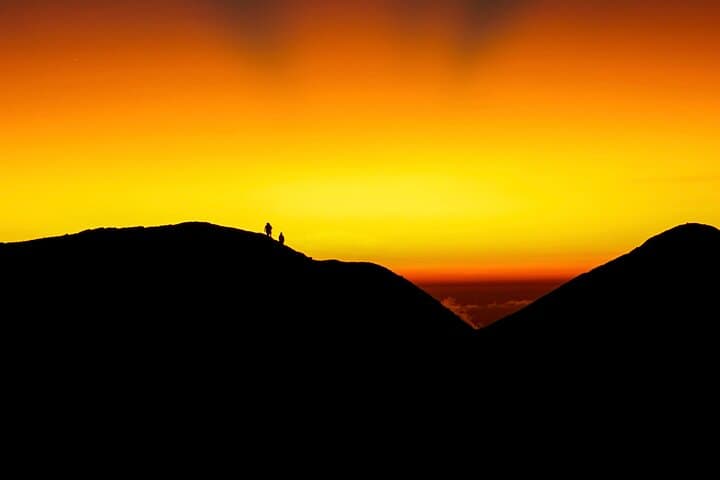
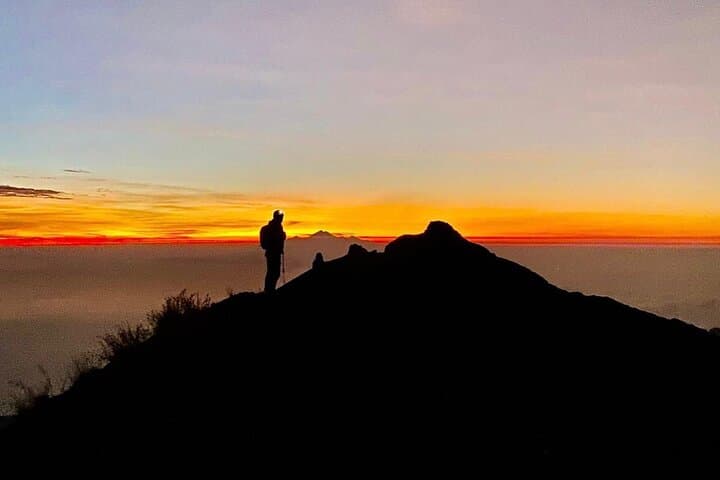
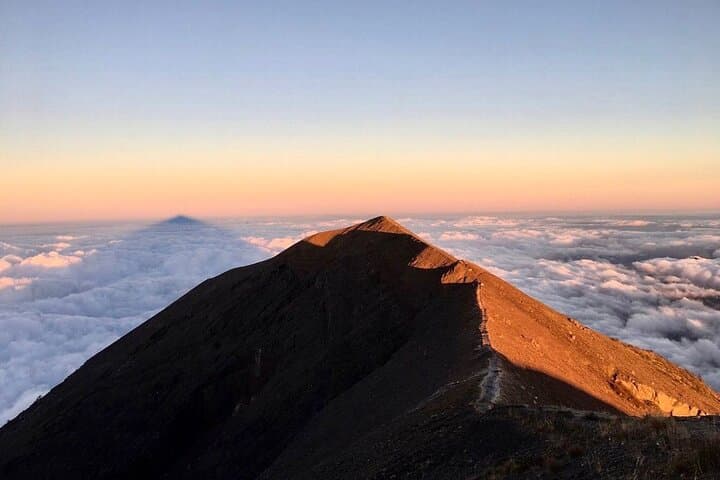
Expect about 10–12 hours round trip, large elevation gain, sections of loose scree and hornblende-rich lava fields. Sunrise from the true summit can reveal Bali’s coast, Lombok’s Rinjani, and an ocean of clouds below — a raw, earned panorama.
Practical guidance: schedule the climb with an experienced local guide, acclimate with a couple days on the island, and use a fitted headlamp and sturdy boots for the pre-dawn ascent. Start early to avoid afternoon weather; carry water, warm layers for the summit chill, and a rain shell in the wet season. Respect temple areas, stick to marked paths to limit erosion, and leave no trace — the climb is a physical test and a cultural encounter in one.