THE ADVENTURE COLLECTIVE® · Independent discovery and booking for outdoor travel

Spend a full day driving from Udaipur to Mount Abu to explore the 11th-century Dilwara Temples, glide on Nakki Lake, and end at Sunset Point. This practical guide covers history, geology, cultural etiquette, and what to pack for a smooth day trip.
Spend a full day driving from Udaipur to Mount Abu to explore the 11th-century Dilwara Temples, glide on Nakki Lake, and end at Sunset Point. This practical guide covers history, geology, cultural etiquette, and what to pack for a smooth day trip.
The road leaves Udaipur before dawn, the city lights shrinking as the Aravalli ridgeline pushes the coach upward. By midmorning the marble of Dilwara Temples appears—white planes catching light like pages—its carved pillars and painted ceilings demanding a quiet pace and close inspection. The town of Mount Abu feels older than the asphalt that leads to it: a high plateau cut from the same ancient range that shapes Rajasthan's weather and view.
Verified experiences and guided adventures in the surrounding area.
Operated by Jee Tours · Mount Abu, Rajasthan
The road leaves Udaipur before dawn, the city lights shrinking as the Aravalli ridgeline pushes the coach upward. By midmorning the marble of Dilwara Temples appears—white planes catching light like pages—its carved pillars and painted ceilings demanding a quiet pace and close inspection. The town of Mount Abu feels older than the asphalt that leads to it: a high plateau cut from the same ancient range that shapes Rajasthan's weather and view.
History sits in the stone: the Dilwara complex dates to the 11th century and serves as a major Jain pilgrimage site, its detailed filigree carved into marble by generations of craftsmen. Geology matters here too—the Arbuda Mountains are part of the Aravalli system, worn and folded over eons; peaks such as Guru Shikhar are the range’s highest points and keep the air noticeably cooler than the plains below.
After temple visits you’ll glide across Nakki Lake in a small boat, where local legends add playfulness to the reflective surface, then thread through bazaars selling hand-printed textiles and spice jars before climbing to Sunset Point to watch the valley take on evening color.
Practical edge: allow the full day—travel takes hours each way—and dress respectfully for temple entry (cover shoulders and knees). Bring water and a hat: Mount Abu is cooler than Udaipur but still sunny. Leave shoes outside a shrine, keep a small amount of local currency for market stalls and boat operators, and plan to move at a pedestrian pace to savor carvings and vistas without rush.
easy.
10–12 hours.
Suitable for most fitness levels; includes walking, stairs, and short boat rides—no strenuous hiking required.
Expect about 2.5–3 hours each way by private vehicle, depending on traffic and stops along the route.
Some tour options include temple entry; check your booking details—cash at the gate may be required for some tickets or camera fees.
Yes, small boat rides are typically available year-round, weather permitting; availability can be reduced during heavy monsoon rains.
Key sites like Nakki Lake and some market areas are accessible, but the temples have stairs and uneven floors; inquire about specific accessibility needs before booking.
Dilwara Temples were built between the 11th and 13th centuries and are among India’s finest examples of marble carving and Jain devotional architecture.
Mount Abu sits beside a wildlife sanctuary; visitors should stay on paths, avoid feeding wildlife, and minimize plastic use to protect fragile highland ecosystems.
Jee Tours operates guided outdoor trips and adventures with an emphasis on safety, stewardship, and memorable experiences.
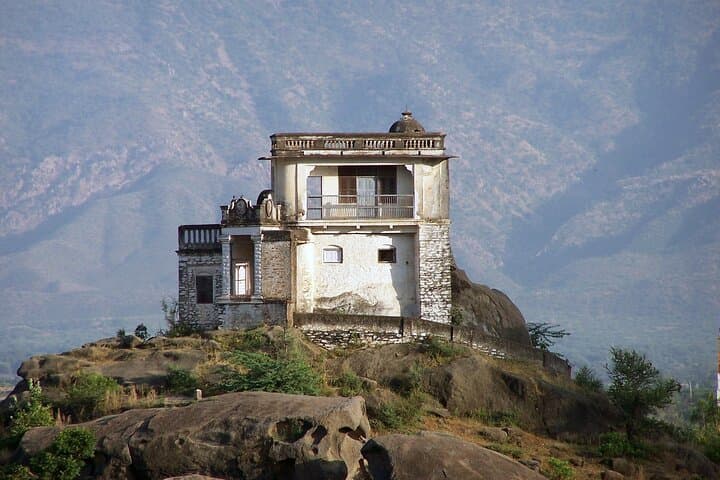
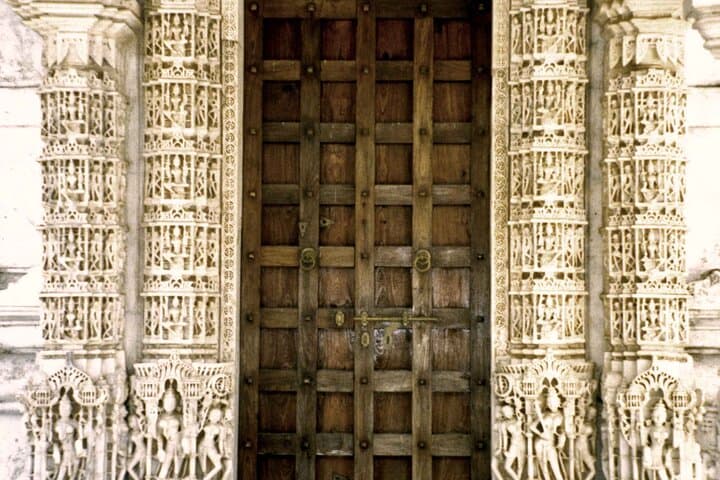
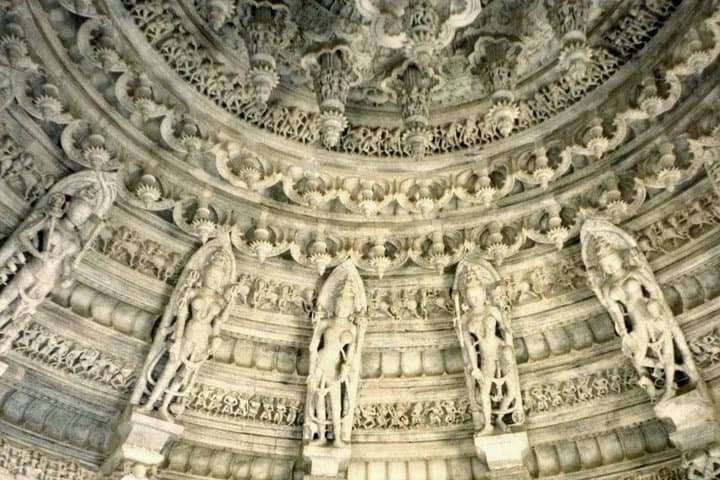
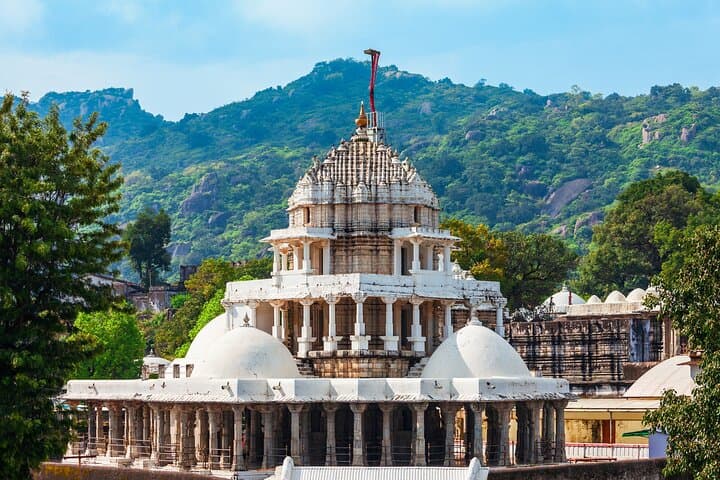
The road leaves Udaipur before dawn, the city lights shrinking as the Aravalli ridgeline pushes the coach upward. By midmorning the marble of Dilwara Temples appears—white planes catching light like pages—its carved pillars and painted ceilings demanding a quiet pace and close inspection. The town of Mount Abu feels older than the asphalt that leads to it: a high plateau cut from the same ancient range that shapes Rajasthan's weather and view.
The road leaves Udaipur before dawn, the city lights shrinking as the Aravalli ridgeline pushes the coach upward. By midmorning the marble of Dilwara Temples appears—white planes catching light like pages—its carved pillars and painted ceilings demanding a quiet pace and close inspection. The town of Mount Abu feels older than the asphalt that leads to it: a high plateau cut from the same ancient range that shapes Rajasthan's weather and view.
History sits in the stone: the Dilwara complex dates to the 11th century and serves as a major Jain pilgrimage site, its detailed filigree carved into marble by generations of craftsmen. Geology matters here too—the Arbuda Mountains are part of the Aravalli system, worn and folded over eons; peaks such as Guru Shikhar are the range’s highest points and keep the air noticeably cooler than the plains below.
After temple visits you’ll glide across Nakki Lake in a small boat, where local legends add playfulness to the reflective surface, then thread through bazaars selling hand-printed textiles and spice jars before climbing to Sunset Point to watch the valley take on evening color.
Practical edge: allow the full day—travel takes hours each way—and dress respectfully for temple entry (cover shoulders and knees). Bring water and a hat: Mount Abu is cooler than Udaipur but still sunny. Leave shoes outside a shrine, keep a small amount of local currency for market stalls and boat operators, and plan to move at a pedestrian pace to savor carvings and vistas without rush.