THE ADVENTURE COLLECTIVE® · Independent discovery and booking for outdoor travel

Stand on the château terrace and watch wind shape ancient vines, then descend into a vaulted cellar for a private tasting of five estate cuvées. This 90‑minute tour decodes Moulin‑à‑Vent’s soils, history and the Clos de Londres micro‑parcels.
Stand on the château terrace and watch wind shape ancient vines, then descend into a vaulted cellar for a private tasting of five estate cuvées. This 90‑minute tour decodes Moulin‑à‑Vent’s soils, history and the Clos de Londres micro‑parcels.
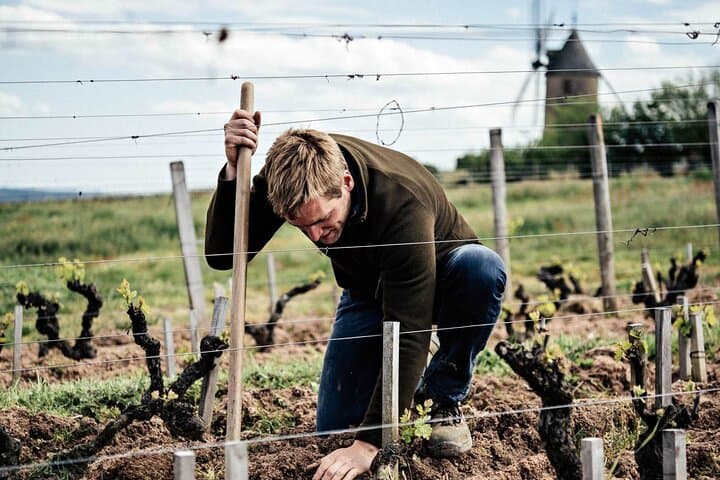
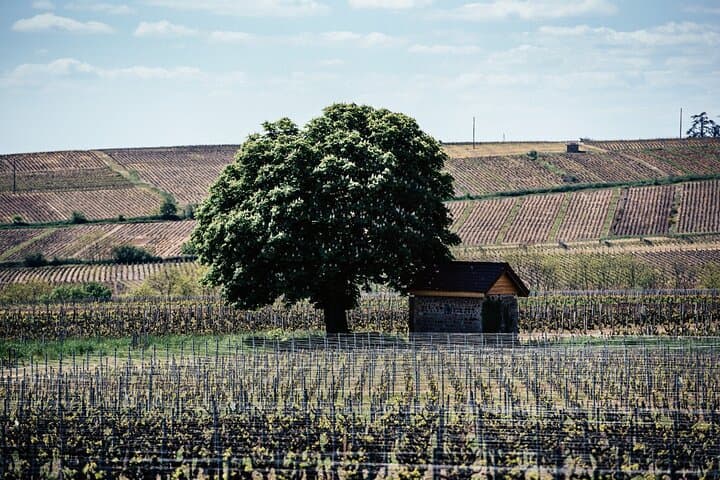
A cold wind moves through the rows and tests the vines like an old apprentice; from the terrace above the appellation the land reads like a map of exposures and soils. Visitors begin on that terrace, the Château du Moulin‑à‑Vent’s watchpoint, where the wind is as much a character as the stone walls and the vine trunks twisted by decades.
Verified experiences and guided adventures in the surrounding area.
Operated by Château du Moulin à Vent · Romanèche-Thorins, Bourgogne-Franche-Comté
A cold wind moves through the rows and tests the vines like an old apprentice; from the terrace above the appellation the land reads like a map of exposures and soils. Visitors begin on that terrace, the Château du Moulin‑à‑Vent’s watchpoint, where the wind is as much a character as the stone walls and the vine trunks twisted by decades.
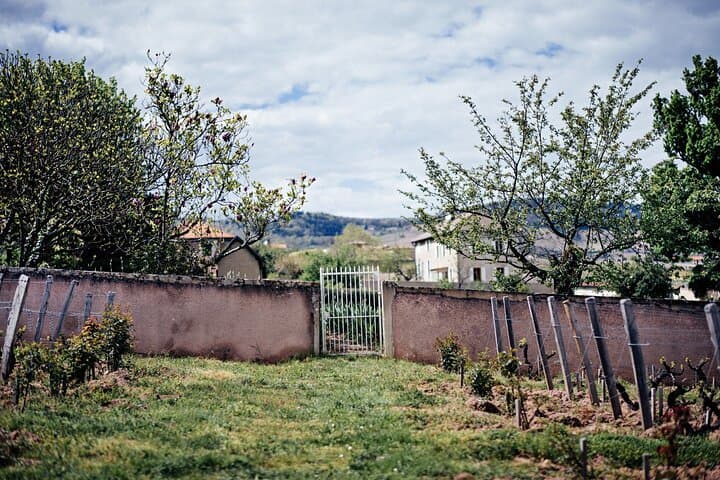
The estate traces three centuries of ownership and winemaking practices that mirror Beaujolais’s transition from family holdings to recognized cru. Geologically the slopes here favor old, coarse granitic and shallow, stony soils that concentrate flavours — a soil story that shows up as structure and saline tension in the wines. Culturally, the château sits where village life and viticulture have long been entwined; the Clos de Londres plot is an emblem of parcel-driven ambition in the region.
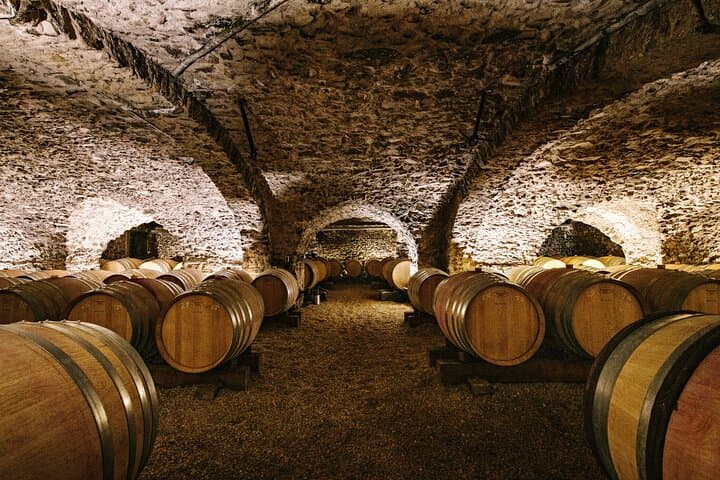
The visit moves into the winery for a technical walkthrough of harvest choices, fermentation and elevage, then down into the vaulted cellar where barrels and the cool dark of aging do their work. The highlight is the walk through the Clos de Londres vine and a seated tasting of five cuvées — three parcel selections and a micro‑cuvée — produced in limited quantities and usually estate‑only.
Practical notes: the tour is private, roughly 90 minutes, and accessible for most visitors; reserve ahead and bring ID for tastings. Aim for late morning or late afternoon to catch the terrace light and avoid midday heat. Sip deliberately, ask about parcel history, and plan transport — the wines are persuasive, and the road back is best navigated with a designated driver or local taxi.
easy.
1–1.5 hours.
Light walking; suitable for most fitness levels including families and older guests
The experience runs approximately 90 minutes and includes a guided walk, cellar visit and tasting of five cuvées.
The estate indicates wheelchair accessibility for certain areas; contact the château in advance about specific needs and transport access.
Some cuvées are estate‑exclusive and sold in small quantities on site; ask the host about purchasing or shipping options.
Tours are typically conducted in French; many estates accommodate English speakers—confirm language availability when booking.
The château and estate reflect over three centuries of family ownership and incremental parcel selection that shaped Moulin‑à‑Vent as a Beaujolais cru.
The estate focuses on low‑intervention parcel work and small‑scale production; visitors are asked to respect vine rows and avoid trampling cover crops.
Château du Moulin à Vent operates guided outdoor trips and adventures with an emphasis on safety, stewardship, and memorable experiences.
A cold wind moves through the rows and tests the vines like an old apprentice; from the terrace above the appellation the land reads like a map of exposures and soils. Visitors begin on that terrace, the Château du Moulin‑à‑Vent’s watchpoint, where the wind is as much a character as the stone walls and the vine trunks twisted by decades.
A cold wind moves through the rows and tests the vines like an old apprentice; from the terrace above the appellation the land reads like a map of exposures and soils. Visitors begin on that terrace, the Château du Moulin‑à‑Vent’s watchpoint, where the wind is as much a character as the stone walls and the vine trunks twisted by decades.
The estate traces three centuries of ownership and winemaking practices that mirror Beaujolais’s transition from family holdings to recognized cru. Geologically the slopes here favor old, coarse granitic and shallow, stony soils that concentrate flavours — a soil story that shows up as structure and saline tension in the wines. Culturally, the château sits where village life and viticulture have long been entwined; the Clos de Londres plot is an emblem of parcel-driven ambition in the region.
The visit moves into the winery for a technical walkthrough of harvest choices, fermentation and elevage, then down into the vaulted cellar where barrels and the cool dark of aging do their work. The highlight is the walk through the Clos de Londres vine and a seated tasting of five cuvées — three parcel selections and a micro‑cuvée — produced in limited quantities and usually estate‑only.
Practical notes: the tour is private, roughly 90 minutes, and accessible for most visitors; reserve ahead and bring ID for tastings. Aim for late morning or late afternoon to catch the terrace light and avoid midday heat. Sip deliberately, ask about parcel history, and plan transport — the wines are persuasive, and the road back is best navigated with a designated driver or local taxi.