THE ADVENTURE COLLECTIVE® · Independent discovery and booking for outdoor travel

Cruise Queen Charlotte Sound to Motuara Island and Ship Cove on a 4.5-hour wildlife and history excursion from Picton. Expect guided shore walks, close bird encounters, and Captain commentary on the cultural and natural history of the Sounds.
Cruise Queen Charlotte Sound to Motuara Island and Ship Cove on a 4.5-hour wildlife and history excursion from Picton. Expect guided shore walks, close bird encounters, and Captain commentary on the cultural and natural history of the Sounds.
The boat slips from Picton Harbour at first light and Queen Charlotte Sound opens like a broad, patient hand. Salt spray and the low murmur of engines frame a 4.5-hour loop that pushes you past forested headlands into the shelter of Motuara Island and the historic inlet of Ship Cove. Waves nudge the hull; gulls ride the wake.
Verified experiences and guided adventures in the surrounding area.
Operated by Beachcomber Cruises · Picton, Marlborough
The boat slips from Picton Harbour at first light and Queen Charlotte Sound opens like a broad, patient hand. Salt spray and the low murmur of engines frame a 4.5-hour loop that pushes you past forested headlands into the shelter of Motuara Island and the historic inlet of Ship Cove. Waves nudge the hull; gulls ride the wake.
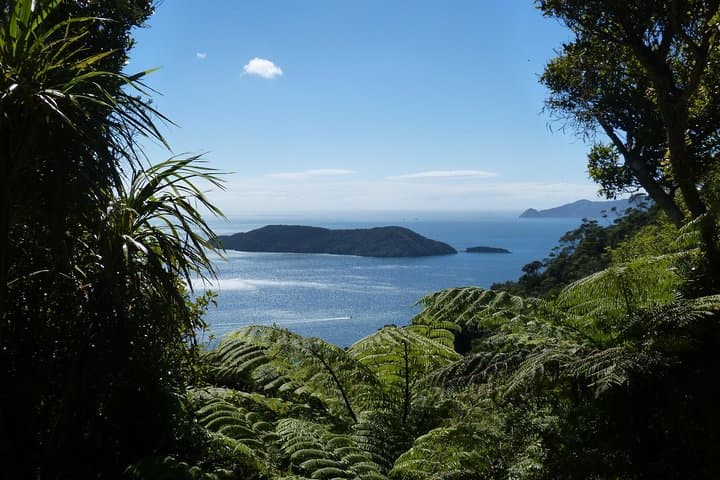
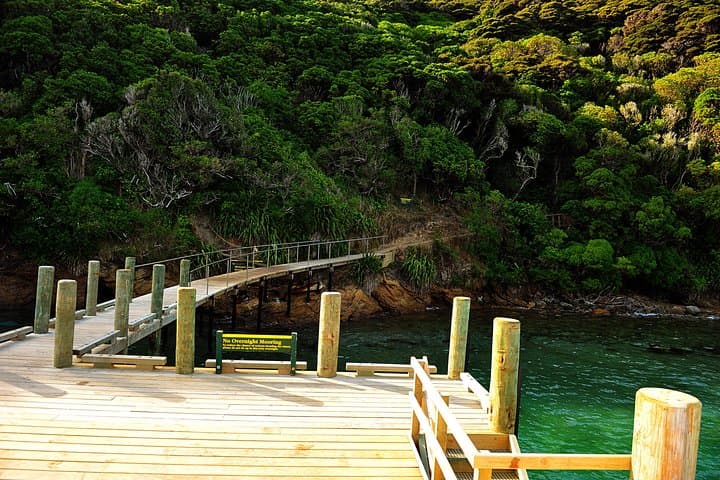
Motuara Island is a managed bird sanctuary and a living example of New Zealand’s island-restoration work. Ship Cove (Meretoto) is the small bay where Captain Cook anchored repeatedly in the 1770s — the shoreline still holds carved names and the neat geometry of anchorages. Geologically the Sound is a system of drowned river valleys carved by long erosion and later filled by rising seas; steep bays and sheltered coves create raw edges of forest and rock.
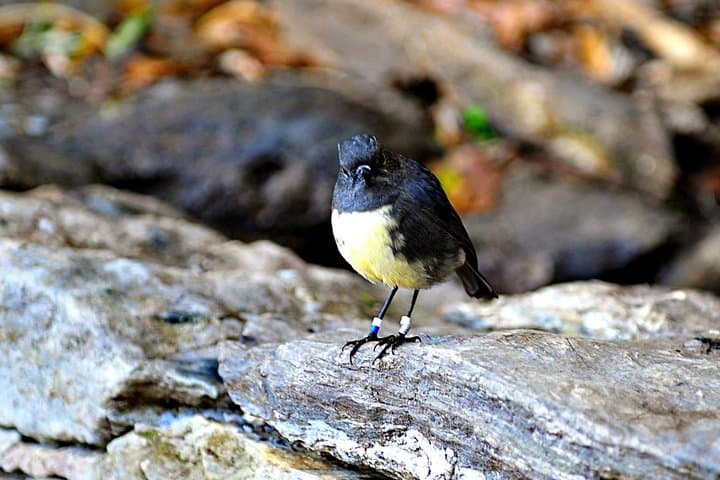
Expect short guided walks on firm but uneven tracks, close-up views of coastal forest and plenty of chances to see native species: tieke (South Island saddleback), little blue penguins, seals and passing dolphins. The captain’s commentary links cultural history — Māori associations and European exploration — with practical notes on biosecurity and protection of breeding sites.
Practical: the tour departs sharply at 8:00 a.m., runs about 4½ hours, and includes onboard restrooms. Wear closed-toe shoes, bring layers and waterproofs, and carry binoculars for birdwatching. The operator encourages reusable keep-cups to reduce waste; follow shore-based signage and stay on paths to protect fragile nesting areas. The cruise is an accessible, low-impact way to see Marlborough Sounds wildlife and history in a single morning.
easy.
4–4.5 hours.
Minimal fitness required—short, mostly flat walks on uneven terrain; comfortable mobility recommended
The excursion runs about 4½ hours and departs sharply at 8:00 a.m.; arrive early at the booking office to board on time.
Sightings can’t be guaranteed; the tour increases the odds for species like South Island saddleback and little blue penguin, but nocturnal birds like kiwi are unlikely to be seen.
Infants and small children can be accommodated and strollers are allowed aboard, but island tracks are uneven—carry children if mobility is limited.
Yes—guests may bring food and drinks; the operator also offers onboard tea and coffee if you purchase a reusable keep-cup.
Ship Cove (Meretoto) was a regular anchorage for Captain Cook in the 1770s and remains an important historic and cultural site for local iwi.
Motuara is managed as a predator-free sanctuary; visitors are asked to follow biosecurity measures, stay on designated paths and minimize disturbance to nesting birds.
Beachcomber Cruises operates guided outdoor trips and adventures with an emphasis on safety, stewardship, and memorable experiences.
The boat slips from Picton Harbour at first light and Queen Charlotte Sound opens like a broad, patient hand. Salt spray and the low murmur of engines frame a 4.5-hour loop that pushes you past forested headlands into the shelter of Motuara Island and the historic inlet of Ship Cove. Waves nudge the hull; gulls ride the wake.
The boat slips from Picton Harbour at first light and Queen Charlotte Sound opens like a broad, patient hand. Salt spray and the low murmur of engines frame a 4.5-hour loop that pushes you past forested headlands into the shelter of Motuara Island and the historic inlet of Ship Cove. Waves nudge the hull; gulls ride the wake.
Motuara Island is a managed bird sanctuary and a living example of New Zealand’s island-restoration work. Ship Cove (Meretoto) is the small bay where Captain Cook anchored repeatedly in the 1770s — the shoreline still holds carved names and the neat geometry of anchorages. Geologically the Sound is a system of drowned river valleys carved by long erosion and later filled by rising seas; steep bays and sheltered coves create raw edges of forest and rock.
Expect short guided walks on firm but uneven tracks, close-up views of coastal forest and plenty of chances to see native species: tieke (South Island saddleback), little blue penguins, seals and passing dolphins. The captain’s commentary links cultural history — Māori associations and European exploration — with practical notes on biosecurity and protection of breeding sites.
Practical: the tour departs sharply at 8:00 a.m., runs about 4½ hours, and includes onboard restrooms. Wear closed-toe shoes, bring layers and waterproofs, and carry binoculars for birdwatching. The operator encourages reusable keep-cups to reduce waste; follow shore-based signage and stay on paths to protect fragile nesting areas. The cruise is an accessible, low-impact way to see Marlborough Sounds wildlife and history in a single morning.