THE ADVENTURE COLLECTIVE® · Independent discovery and booking for outdoor travel

Walk two hours with a third-generation truffle-hunting family in Motovun’s oak forests, learn local truffle lore, and finish with a tasting of homemade truffle products and wine. Practical, hands-on, and rooted in Istrian tradition.
Walk two hours with a third-generation truffle-hunting family in Motovun’s oak forests, learn local truffle lore, and finish with a tasting of homemade truffle products and wine. Practical, hands-on, and rooted in Istrian tradition.
Dawn slips through oak branches above the Motovun hills; the forest floor smells of damp earth and something richer, hidden just below the leaf litter. A low-voiced truffle dog noses along the roots, tail wagging like a compass, while an experienced hunter reads the soil the way a sailor reads wind. You follow narrow paths worn by generations, the slope rising and falling in short, honest hills.
Verified experiences and guided adventures in the surrounding area.
Operated by Karlic Tartufi · Motovun, Istria
Dawn slips through oak branches above the Motovun hills; the forest floor smells of damp earth and something richer, hidden just below the leaf litter. A low-voiced truffle dog noses along the roots, tail wagging like a compass, while an experienced hunter reads the soil the way a sailor reads wind. You follow narrow paths worn by generations, the slope rising and falling in short, honest hills.
Istria’s truffle culture stretches back centuries, and here a three-generation family has turned that tradition into a guided experience. The region’s karst limestone soils and mixed oak-hornbeam forests create the microhabitat black and white truffles favor — pores of calcium-rich earth, pockets of moisture, and root networks that feed the fungus. Motovun itself is a medieval hill town that watches over these woodlands; alongside truffle lore you’ll hear stories of local food culture and see artifacts at the nearby Croatian Truffle Museum.
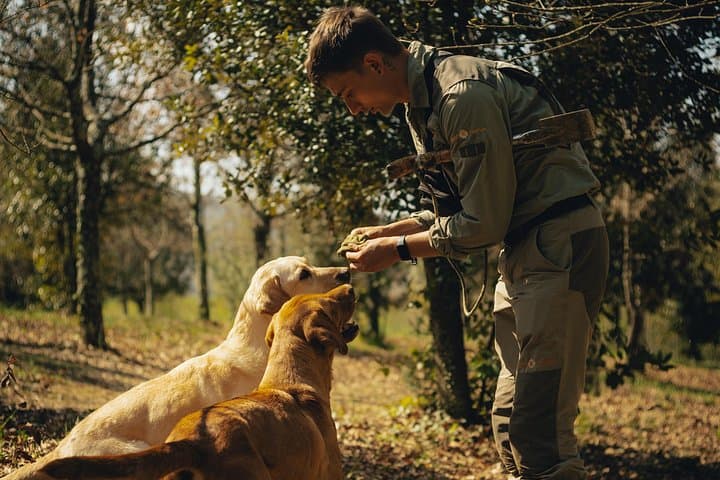
Expect about 2–3 hours on mostly unpaved trails, roughly 2–4 km of walking with light elevation changes. The hunt is hands-on but family-friendly; strollers aren’t suitable and infants must be carried during the forest portion. The finale is a tasting: house-made truffle products paired with homemade wine, where the pungent aroma of truffle meets simple Istrian craft.
Practical tips: go in the cooler morning hours, wear grippy shoes and layers, bring water and insect protection, and let the handlers lead the dogs — they know the land. The tour is as much about people and place as it is about the rare fungus beneath your feet.
moderate.
2–3 hours.
Able to walk 2–4 km on uneven forest ground and manage short climbs; moderate cardiovascular fitness recommended
Yes — the guide and trained dog locate truffles during the hunt; the experience culminates with a tasting of family-made truffle products, though foraged truffles may be retained by the family for sale or culinary use.
The tour is family-friendly, but strollers aren’t suitable on the hunting paths; infants must be carried during the forest portion and clients should be prepared for uneven ground.
Dogs can be brought but must be announced in advance so hosts can manage interactions with the working truffle dogs and farm animals.
Most tours meet at the family’s farm or a nearby parking area outside Motovun; confirm exact meeting details with the operator on booking and allow time for narrow rural roads.
Truffle foraging is embedded in Istrian rural life; families have passed techniques and dog lines down for generations, and Motovun’s forests have long supplied markets and kitchens across the region.
Responsible foraging is practiced here — guides harvest sustainably and encourage staying on paths, avoiding root damage, and respecting private groves.
Karlic Tartufi operates guided outdoor trips and adventures with an emphasis on safety, stewardship, and memorable experiences.
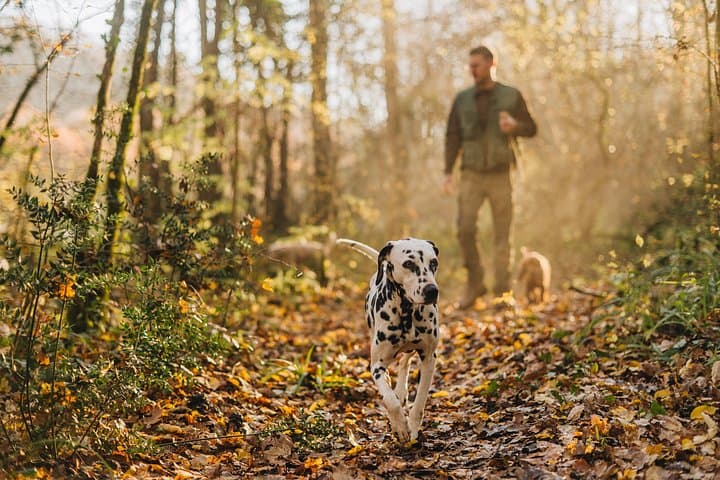
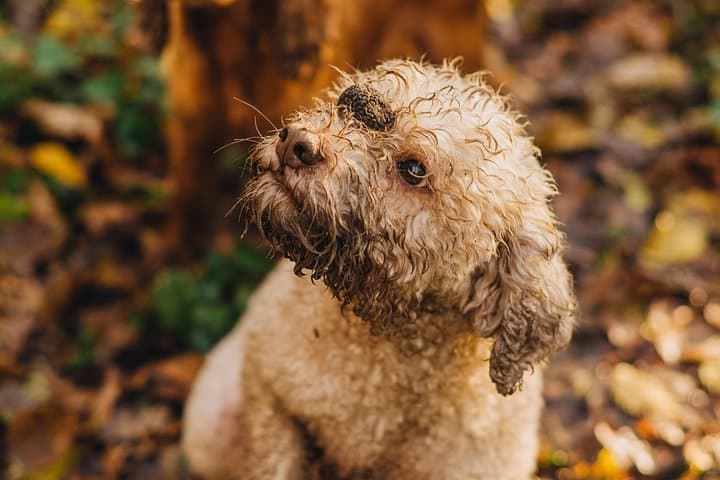
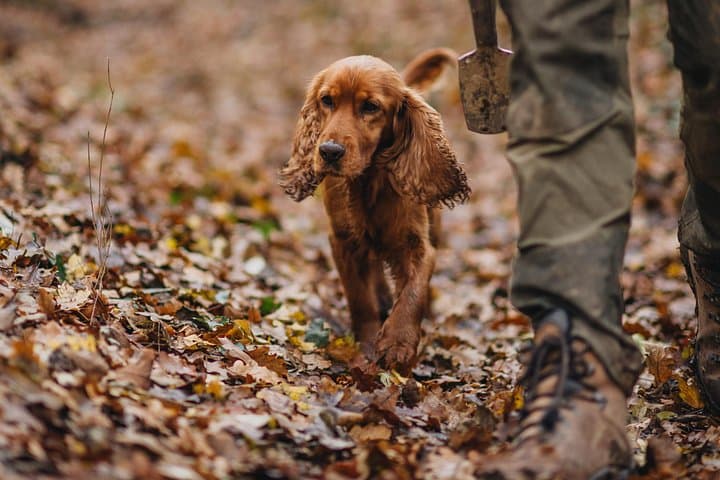
Dawn slips through oak branches above the Motovun hills; the forest floor smells of damp earth and something richer, hidden just below the leaf litter. A low-voiced truffle dog noses along the roots, tail wagging like a compass, while an experienced hunter reads the soil the way a sailor reads wind. You follow narrow paths worn by generations, the slope rising and falling in short, honest hills.
Dawn slips through oak branches above the Motovun hills; the forest floor smells of damp earth and something richer, hidden just below the leaf litter. A low-voiced truffle dog noses along the roots, tail wagging like a compass, while an experienced hunter reads the soil the way a sailor reads wind. You follow narrow paths worn by generations, the slope rising and falling in short, honest hills.
Istria’s truffle culture stretches back centuries, and here a three-generation family has turned that tradition into a guided experience. The region’s karst limestone soils and mixed oak-hornbeam forests create the microhabitat black and white truffles favor — pores of calcium-rich earth, pockets of moisture, and root networks that feed the fungus. Motovun itself is a medieval hill town that watches over these woodlands; alongside truffle lore you’ll hear stories of local food culture and see artifacts at the nearby Croatian Truffle Museum.
Expect about 2–3 hours on mostly unpaved trails, roughly 2–4 km of walking with light elevation changes. The hunt is hands-on but family-friendly; strollers aren’t suitable and infants must be carried during the forest portion. The finale is a tasting: house-made truffle products paired with homemade wine, where the pungent aroma of truffle meets simple Istrian craft.
Practical tips: go in the cooler morning hours, wear grippy shoes and layers, bring water and insect protection, and let the handlers lead the dogs — they know the land. The tour is as much about people and place as it is about the rare fungus beneath your feet.