THE ADVENTURE COLLECTIVE® · Independent discovery and booking for outdoor travel

A three-hour motorboat trip from Aswan delivers you to Sohail Island, where brightly painted Nubian houses, tea with a local family, and easy village walks offer a hands-on cultural stop on the Nile. Practical, short and accessible, it’s an ideal half-day escape from the city or cruise ship.
A three-hour motorboat trip from Aswan delivers you to Sohail Island, where brightly painted Nubian houses, tea with a local family, and easy village walks offer a hands-on cultural stop on the Nile. Practical, short and accessible, it’s an ideal half-day escape from the city or cruise ship.
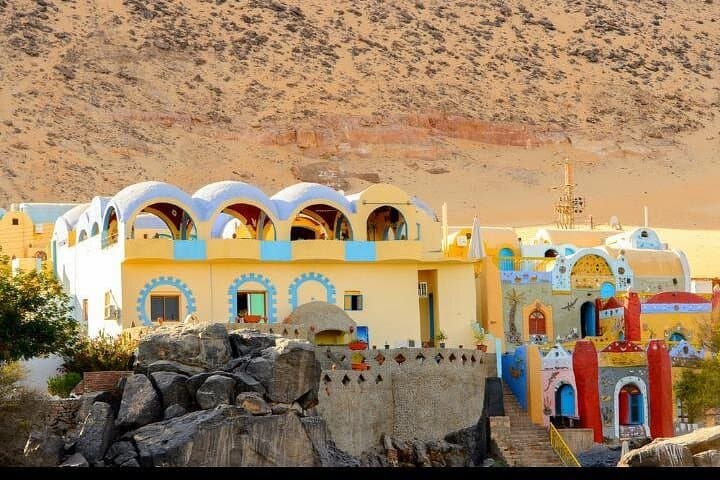
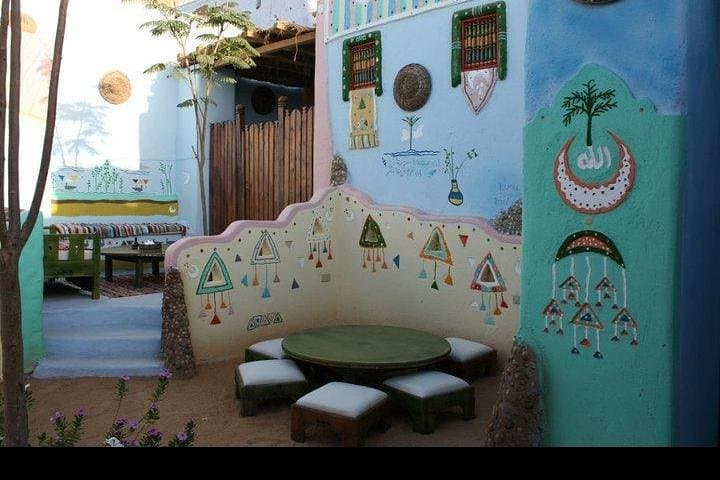
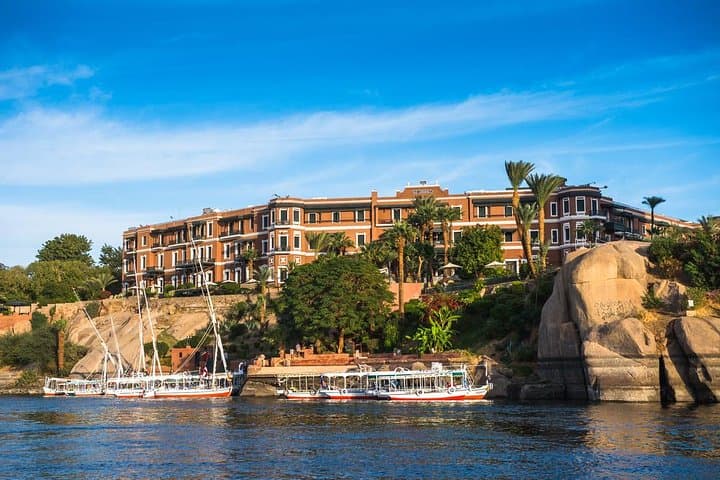
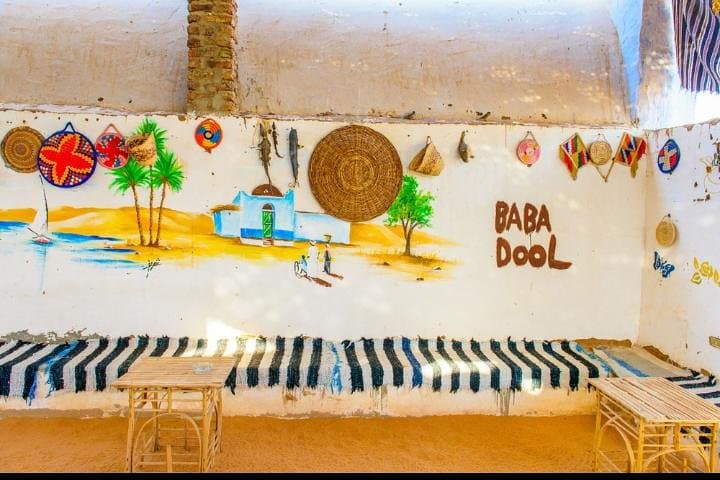
The motorboat cuts a bright wake across the Nile as Aswan slips behind you—palm-lined banks, low mud-brick terraces and the distant silhouette of Elephantine Island passing in the boat's side mirror. Arriving at Sohail Island, the air changes: sun-warmed mud walls painted in turquoise, ochre and coral, the scent of brewing tea, and voices greeting visitors at family compounds. You step onto a narrow jetty and into a village where everyday life unfolds at river pace.
Verified experiences and guided adventures in the surrounding area.
Operated by Show You Egypt · Aswan, Aswan Governorate
The motorboat cuts a bright wake across the Nile as Aswan slips behind you—palm-lined banks, low mud-brick terraces and the distant silhouette of Elephantine Island passing in the boat's side mirror. Arriving at Sohail Island, the air changes: sun-warmed mud walls painted in turquoise, ochre and coral, the scent of brewing tea, and voices greeting visitors at family compounds. You step onto a narrow jetty and into a village where everyday life unfolds at river pace.
Sohail Island’s houses and customs reflect Nubia’s long history along the upper Nile. Nubian culture predates modern Egyptology in this stretch of river: trade, pottery and distinctive painted facades evolved here where granite outcrops and alluvial fans meet slow-flowing waters. The island’s geology is simple—river-borne silt overlying older granite—yet that contrast shaped settlement locations and agriculture for millennia.
Culturally, the tour centers on a traditional home visit—tea offered as a social contract and a short conversation about family history, crafts and the bilingual heritage of Nubian Arabic and Nobiin. There’s time to wander lively lanes, photograph painted doors and pop into small stalls selling textiles.
Practical note: the trip is a three-hour, small-group outing by modern motorboat with hotel or cruise pickup. Wear sturdy walking shoes for sandy lanes, carry water and sun protection, and budget modest cash for local purchases or tips. The pace is easy and social—ideal for travelers wanting a short, authentic introduction to Nubian life on the Nile.
easy.
3 hours.
Suitable for most fitness levels; requires short, easy walks and boarding a small motorboat.
Yes—round-trip pickup and drop-off from central Aswan hotels and cruise ships are included with confirmation from the supplier.
Walking is minimal and relaxed—short strolls through village lanes and steps at the jetty; suitable for most travelers.
Always ask before photographing people or private homes; hosts typically welcome photos after permission is given.
Basic facilities exist in village areas and at the visitor home; bring hand sanitizer for convenience.
Nubian communities along the upper Nile have distinct languages, pottery styles and painted house façades that evolved from centuries of river-based trade and settlement.
Respect local resources by avoiding single-use plastics, following guide instructions on waste, and supporting local households directly to benefit the island community.
Show You Egypt operates guided outdoor trips and adventures with an emphasis on safety, stewardship, and memorable experiences.
The motorboat cuts a bright wake across the Nile as Aswan slips behind you—palm-lined banks, low mud-brick terraces and the distant silhouette of Elephantine Island passing in the boat's side mirror. Arriving at Sohail Island, the air changes: sun-warmed mud walls painted in turquoise, ochre and coral, the scent of brewing tea, and voices greeting visitors at family compounds. You step onto a narrow jetty and into a village where everyday life unfolds at river pace.
The motorboat cuts a bright wake across the Nile as Aswan slips behind you—palm-lined banks, low mud-brick terraces and the distant silhouette of Elephantine Island passing in the boat's side mirror. Arriving at Sohail Island, the air changes: sun-warmed mud walls painted in turquoise, ochre and coral, the scent of brewing tea, and voices greeting visitors at family compounds. You step onto a narrow jetty and into a village where everyday life unfolds at river pace.
Sohail Island’s houses and customs reflect Nubia’s long history along the upper Nile. Nubian culture predates modern Egyptology in this stretch of river: trade, pottery and distinctive painted facades evolved here where granite outcrops and alluvial fans meet slow-flowing waters. The island’s geology is simple—river-borne silt overlying older granite—yet that contrast shaped settlement locations and agriculture for millennia.
Culturally, the tour centers on a traditional home visit—tea offered as a social contract and a short conversation about family history, crafts and the bilingual heritage of Nubian Arabic and Nobiin. There’s time to wander lively lanes, photograph painted doors and pop into small stalls selling textiles.
Practical note: the trip is a three-hour, small-group outing by modern motorboat with hotel or cruise pickup. Wear sturdy walking shoes for sandy lanes, carry water and sun protection, and budget modest cash for local purchases or tips. The pace is easy and social—ideal for travelers wanting a short, authentic introduction to Nubian life on the Nile.