THE ADVENTURE COLLECTIVE® · Independent discovery and booking for outdoor travel

Cook three African dishes live with a musician providing soundtrack—goat pepper soup, Cameroonian grilled fish, and puff puff—using a provided Meal Prep Kit. This 3-hour, accessible experience streams from Grand Rapids and pairs culinary instruction with cultural context.
Cook three African dishes live with a musician providing soundtrack—goat pepper soup, Cameroonian grilled fish, and puff puff—using a provided Meal Prep Kit. This 3-hour, accessible experience streams from Grand Rapids and pairs culinary instruction with cultural context.
You log into a Zoom room and the first thing you notice is the rhythm: a hand drum, a nylon string, a voice counting out a beat while the host chops onions in time. The camera frames a modest kitchen but the scene opens onto a continent—spices, plantains, and a plated puff puff that glows like a small sun. For three hours you cook, listen, and learn with an African musician providing live soundtrack as you taste each finished dish.
Verified experiences and guided adventures in the surrounding area.
Operated by Motherland Cooking Xperience · Grand Rapids, Michigan
You log into a Zoom room and the first thing you notice is the rhythm: a hand drum, a nylon string, a voice counting out a beat while the host chops onions in time. The camera frames a modest kitchen but the scene opens onto a continent—spices, plantains, and a plated puff puff that glows like a small sun. For three hours you cook, listen, and learn with an African musician providing live soundtrack as you taste each finished dish.
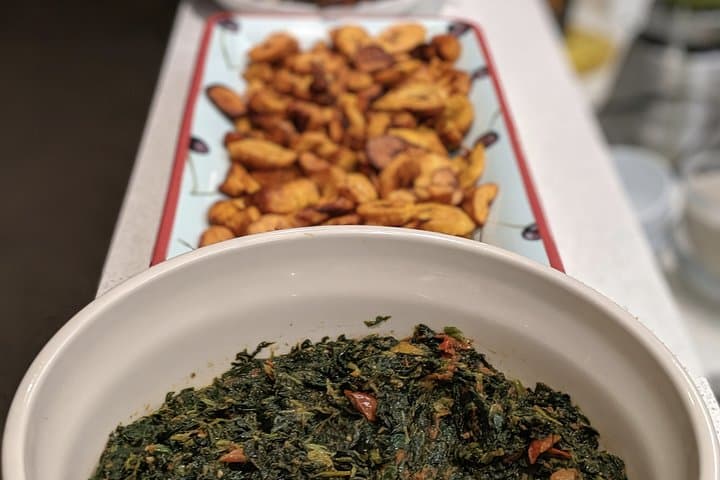
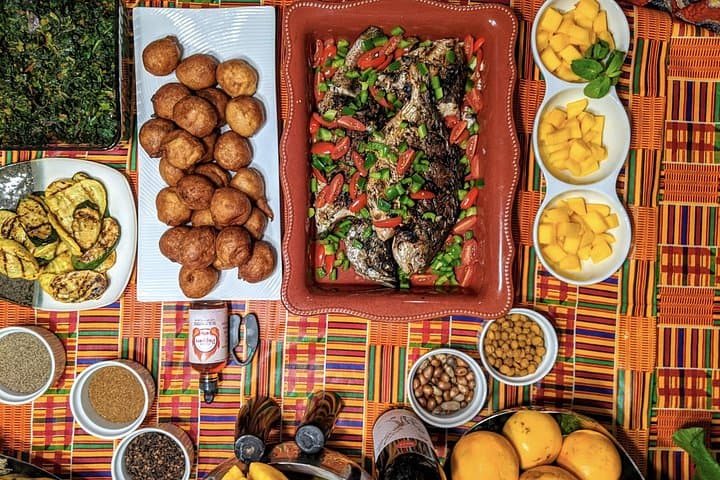
The menu blends West and Central African home cooking—goat pepper soup with warming heat, Cameroonian-style grilled fish paired with stewed greens and fried plantains, and puff puff for dessert. These dishes reflect trade routes and coastal fishing traditions: bold pepper blends, cooling starches like plantain, and communal eating practices central to many African cultures.
Though hosted from Grand Rapids, the experience connects participants to ingredient stories—how smoked fish shapes coastal flavors, or how frying dough appears across West Africa as an accessible celebration food. Local context matters: many hosts encourage sourcing fresh produce from Grand Rapids’ Downtown Market or Fulton Street Farmers Market to mirror authentic textures.
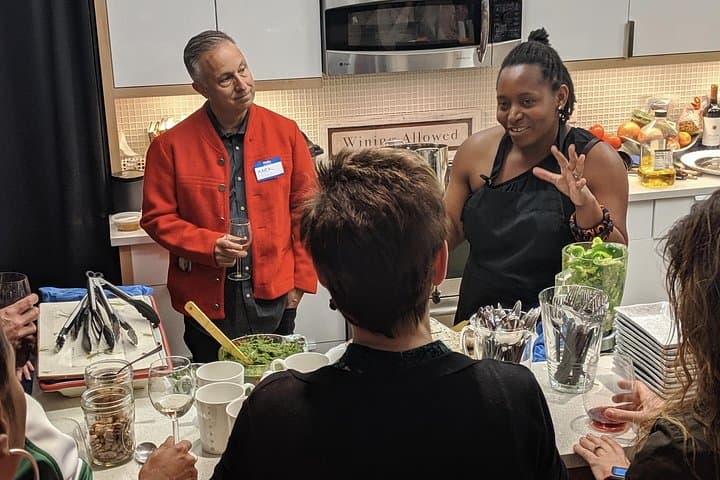
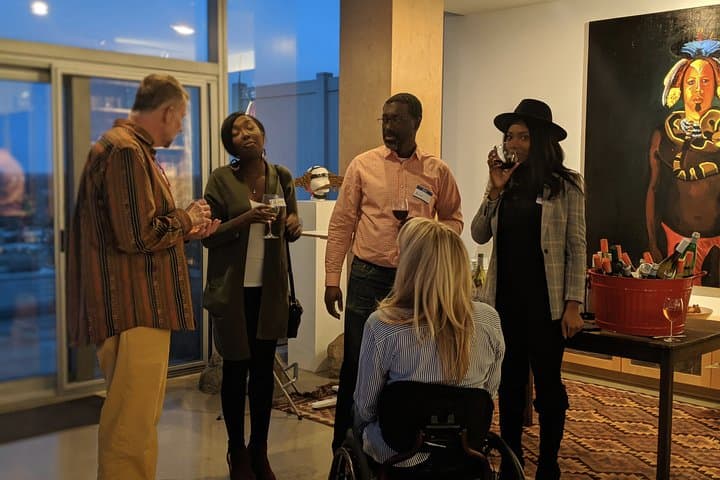
Practicalities are straightforward. You receive a Meal Prep Kit ahead of time (or a detailed ingredient list for virtual attendees), need a reliable internet connection, one stovetop burner, basic knives, and 3 hours of attention. The experience is wheelchair accessible and welcoming to beginners; inform the host of dietary restrictions when booking. Expect hands-on instruction, cultural narration between courses, and a communal tasting at the end—an immersive, kitchen-forward way to explore African foodways without leaving your neighborhood.
easy.
3 hours.
No special fitness required; suitable for most participants who can stand or sit for light kitchen work.
The listing runs as a live, private experience—currently delivered online with Meal Prep Kits shipped to attendees; check booking details for occasional in-person options.
Kits typically include pre-measured spices and non-perishables; perishable items may be local pickup or substituted with a shopping list—confirm with the host after booking.
Yes—hosts request dietary needs at booking and can usually modify ingredients or suggest alternatives for common allergies and preferences.
No—this session is beginner-friendly with step-by-step instruction, though basic knife familiarity speeds things up.
Many dishes draw on West and Central African foodways shaped by coastal fishing, spice trade, and communal cooking traditions; puff puff is a widespread fried dough dessert across West Africa.
Hosts encourage sustainable sourcing—choose local produce where possible and recycle Meal Prep Kit packaging; minimizing food waste is emphasized during cooking demonstrations.
Motherland Cooking Xperience operates guided outdoor trips and adventures with an emphasis on safety, stewardship, and memorable experiences.
You log into a Zoom room and the first thing you notice is the rhythm: a hand drum, a nylon string, a voice counting out a beat while the host chops onions in time. The camera frames a modest kitchen but the scene opens onto a continent—spices, plantains, and a plated puff puff that glows like a small sun. For three hours you cook, listen, and learn with an African musician providing live soundtrack as you taste each finished dish.
You log into a Zoom room and the first thing you notice is the rhythm: a hand drum, a nylon string, a voice counting out a beat while the host chops onions in time. The camera frames a modest kitchen but the scene opens onto a continent—spices, plantains, and a plated puff puff that glows like a small sun. For three hours you cook, listen, and learn with an African musician providing live soundtrack as you taste each finished dish.
The menu blends West and Central African home cooking—goat pepper soup with warming heat, Cameroonian-style grilled fish paired with stewed greens and fried plantains, and puff puff for dessert. These dishes reflect trade routes and coastal fishing traditions: bold pepper blends, cooling starches like plantain, and communal eating practices central to many African cultures.
Though hosted from Grand Rapids, the experience connects participants to ingredient stories—how smoked fish shapes coastal flavors, or how frying dough appears across West Africa as an accessible celebration food. Local context matters: many hosts encourage sourcing fresh produce from Grand Rapids’ Downtown Market or Fulton Street Farmers Market to mirror authentic textures.
Practicalities are straightforward. You receive a Meal Prep Kit ahead of time (or a detailed ingredient list for virtual attendees), need a reliable internet connection, one stovetop burner, basic knives, and 3 hours of attention. The experience is wheelchair accessible and welcoming to beginners; inform the host of dietary restrictions when booking. Expect hands-on instruction, cultural narration between courses, and a communal tasting at the end—an immersive, kitchen-forward way to explore African foodways without leaving your neighborhood.