THE ADVENTURE COLLECTIVE® · Independent discovery and booking for outdoor travel

Walk Mostar’s Old Bridge and frontline streets with licensed local guides who witnessed the 1990s conflict. This 2–3 hour private tour combines architecture, eyewitness testimony and sensitive stops at memorials and neighborhoods.
Walk Mostar’s Old Bridge and frontline streets with licensed local guides who witnessed the 1990s conflict. This 2–3 hour private tour combines architecture, eyewitness testimony and sensitive stops at memorials and neighborhoods.
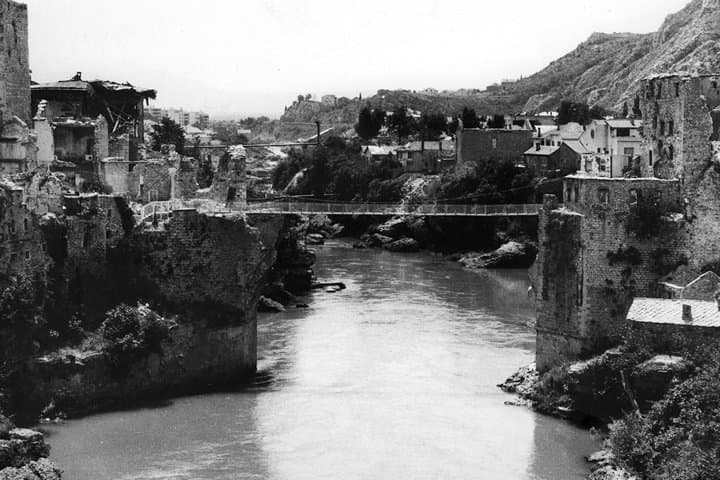
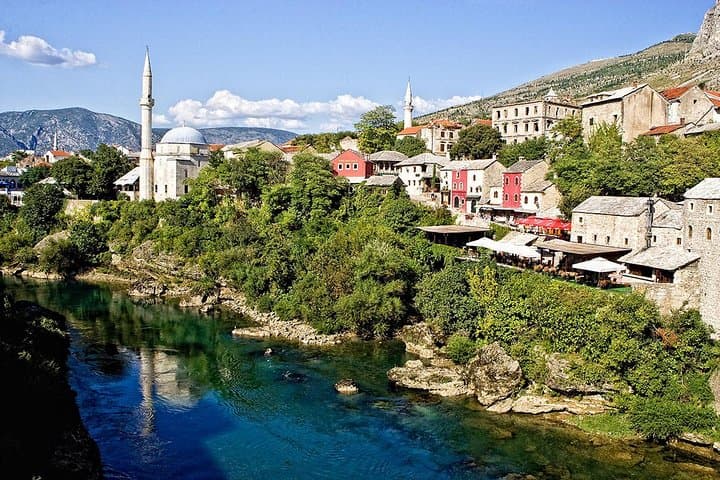
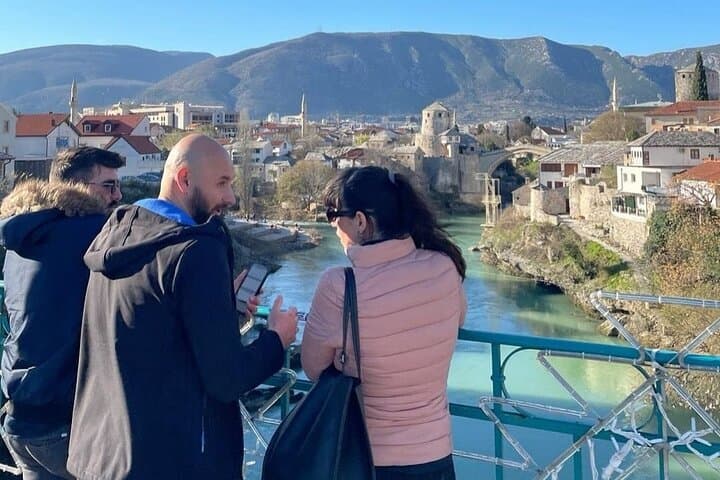
The Neretva hurries beneath the Old Bridge, its green current daring you to look away from the scarred façades of Mostar’s old town. A licensed local guide—many of them eyewitnesses to the 1992–95 conflict—leads a compact walking route that moves from the bridge’s 16th-century arch to frontline landmarks, quiet cemeteries and neighborhood pockets where stories still surface in conversation.
Verified experiences and guided adventures in the surrounding area.
Operated by Fortuna Trade Tours Mostar d.o.o. · Mostar, Herzegovina-Neretva Canton
The Neretva hurries beneath the Old Bridge, its green current daring you to look away from the scarred façades of Mostar’s old town. A licensed local guide—many of them eyewitnesses to the 1992–95 conflict—leads a compact walking route that moves from the bridge’s 16th-century arch to frontline landmarks, quiet cemeteries and neighborhood pockets where stories still surface in conversation.
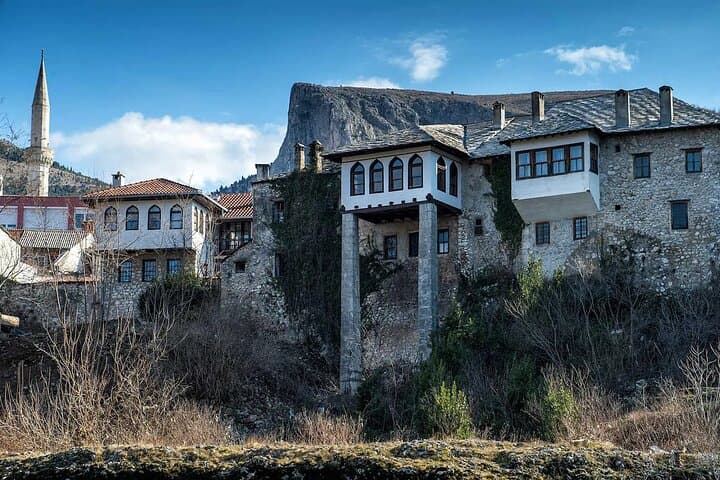
The walk threads Ottoman-era engineering, Austro-Hungarian public buildings and the modern wounds of war. Stari Most, rebuilt after 2004, stands as both architectural fact and a symbol of interrupted life; surrounding squares and the Kujundžiluk coppersmith quarter reveal layers of trade, craft and community that predate the conflict. Guides weave first-person accounts with clear historical context—how urban geography influenced siege lines, where cultural institutions were hit, and which sites mark civilian experiences.
Expect mostly paved streets, short uphill sections and many stops for interpretation; the tour runs about 2–3 hours and is private by design, allowing time for questions and respectful pauses at sensitive sites such as memorial parks and the Spanish Square.
Practically: wear comfortable walking shoes and bring water and a light rain layer—Mostar’s microclimate can shift quickly. Be prepared for emotionally charged narratives; guides encourage respectful listening and photography limits at memorial sites. Public transport and cafes are nearby if you want to linger after the tour.
This experience is historical rather than strenuous—an essential context-setting walk for travelers who want to understand the city’s recent past while seeing the architecture and streets that shaped it.
easy.
2–3 hours.
Suitable for general fitness; mostly paved walking with a few short inclines and frequent stops
The tour lasts about 2–3 hours (120–180 minutes) and covers the old town, Stari Most and nearby wartime sites.
The route is primarily on paved streets and is described as physically easy; wheelchairs may encounter cobbled surfaces—check with the operator for accommodations.
Yes—guides are licensed professionals and many are local eyewitnesses; they welcome questions but may suggest sensitive topics be handled respectfully.
This walking tour focuses on outdoor sites and public landmarks; any museum admissions or optional visits are typically not included—confirm at booking.
Mostar developed around a single-arch Ottoman stone bridge completed in 1566; the Old Bridge and surrounding old town evolved as a major Adriatic trade and craft center before later 20th-century upheavals.
Post-war reconstruction prioritized original materials and techniques; visitors are encouraged to follow local guidelines to protect rebuilt historic fabric and sensitive memorial areas.
Fortuna Trade Tours Mostar d.o.o. operates guided outdoor trips and adventures with an emphasis on safety, stewardship, and memorable experiences.
The Neretva hurries beneath the Old Bridge, its green current daring you to look away from the scarred façades of Mostar’s old town. A licensed local guide—many of them eyewitnesses to the 1992–95 conflict—leads a compact walking route that moves from the bridge’s 16th-century arch to frontline landmarks, quiet cemeteries and neighborhood pockets where stories still surface in conversation.
The Neretva hurries beneath the Old Bridge, its green current daring you to look away from the scarred façades of Mostar’s old town. A licensed local guide—many of them eyewitnesses to the 1992–95 conflict—leads a compact walking route that moves from the bridge’s 16th-century arch to frontline landmarks, quiet cemeteries and neighborhood pockets where stories still surface in conversation.
The walk threads Ottoman-era engineering, Austro-Hungarian public buildings and the modern wounds of war. Stari Most, rebuilt after 2004, stands as both architectural fact and a symbol of interrupted life; surrounding squares and the Kujundžiluk coppersmith quarter reveal layers of trade, craft and community that predate the conflict. Guides weave first-person accounts with clear historical context—how urban geography influenced siege lines, where cultural institutions were hit, and which sites mark civilian experiences.
Expect mostly paved streets, short uphill sections and many stops for interpretation; the tour runs about 2–3 hours and is private by design, allowing time for questions and respectful pauses at sensitive sites such as memorial parks and the Spanish Square.
Practically: wear comfortable walking shoes and bring water and a light rain layer—Mostar’s microclimate can shift quickly. Be prepared for emotionally charged narratives; guides encourage respectful listening and photography limits at memorial sites. Public transport and cafes are nearby if you want to linger after the tour.
This experience is historical rather than strenuous—an essential context-setting walk for travelers who want to understand the city’s recent past while seeing the architecture and streets that shaped it.