THE ADVENTURE COLLECTIVE® · Independent discovery and booking for outdoor travel

Walk cobbled lanes, taste handmade pies and grilled meats, and sip Bosnian coffee beside the Neretva. This 2.5-hour guided food-and-history walk around Stari Most pairs local recipes with short, on-the-ground history and practical tips for first-time visitors.
Walk cobbled lanes, taste handmade pies and grilled meats, and sip Bosnian coffee beside the Neretva. This 2.5-hour guided food-and-history walk around Stari Most pairs local recipes with short, on-the-ground history and practical tips for first-time visitors.
You step off a narrow cobbled lane and the Neretva announces itself — cool, green, and quick, threading the town and daring you to follow its banks. The market hums: a pastry chef-guide unwraps a paper-warm pie, the air thick with char from nearby grills and the bitter bloom of freshly brewed Bosnian coffee.
Verified experiences and guided adventures in the surrounding area.
Operated by MostarTransfer Tours · Mostar, Herzegovina-Neretva Canton
You step off a narrow cobbled lane and the Neretva announces itself — cool, green, and quick, threading the town and daring you to follow its banks. The market hums: a pastry chef-guide unwraps a paper-warm pie, the air thick with char from nearby grills and the bitter bloom of freshly brewed Bosnian coffee.
Mostar grew where the Ottoman Empire met the karst of Herzegovina. The Old Bridge (Stari Most) and its surrounding Kujundziluk bazaar anchor the city’s Ottoman-era streets and small craft shops; the river has carved limestone cliffs and terraces that shape the town’s layout and local food culture. On a short walking tour you’ll sample homemade pies (pita/burek styles), grilled meats from nearby farms, Bosnian coffee, and local beer while the guide threads historical notes on the Ottoman builders, post-war reconstruction, and the bridge’s UNESCO protection into the tasting stops.
The route is primarily compact, urban walking over cobbles and short stair sections — approachable but uneven underfoot. Expect 2.5 hours of stops and bites, opportunities to ask about ingredients and regional farming, and adaptations for vegetarian, vegan, or gluten-free diets if requested in advance. Carry local currency for small purchases, arrive hungry rather than full, and plan for mornings or early evenings to avoid the midday crowds and heat.
Practical tips: comfortable walking shoes, a light jacket for river breezes, and a small water bottle. This is as much a cultural primer as a food crawl — a brisk, sensory way to taste Mostar’s history alongside its cuisine.
easy.
2–3 hours.
Suitable for most fitness levels — a moderate amount of standing and walking on uneven surfaces.
The tour lasts about 2.5 hours and covers a compact walking route through Mostar’s Old Town — expect mostly short distances across cobbles and a few stair sections.
Yes — the guide can accommodate vegetarian, vegan, and gluten-free diets if you state needs at booking or before the tour begins.
This listing is set as a private walking tour, so the experience is tailored to your group and pace.
No — mobile tickets are accepted, though having the booking confirmation on your phone is recommended.
Mostar’s Old Bridge dates to the 16th century Ottoman period and the town’s name comes from the bridge keepers (mostari) who maintained river crossings.
Stari Most was reconstructed after 1993 and is now a UNESCO site; sustainable tourism and mindful waste practices help protect the fragile river and historic fabric.
MostarTransfer Tours operates guided outdoor trips and adventures with an emphasis on safety, stewardship, and memorable experiences.
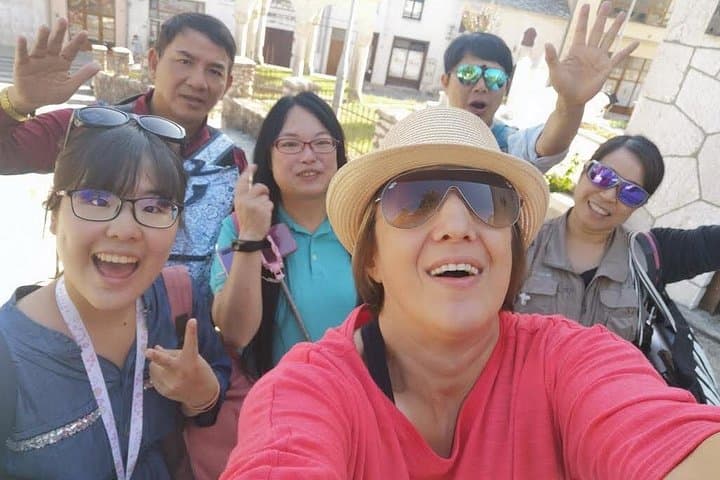

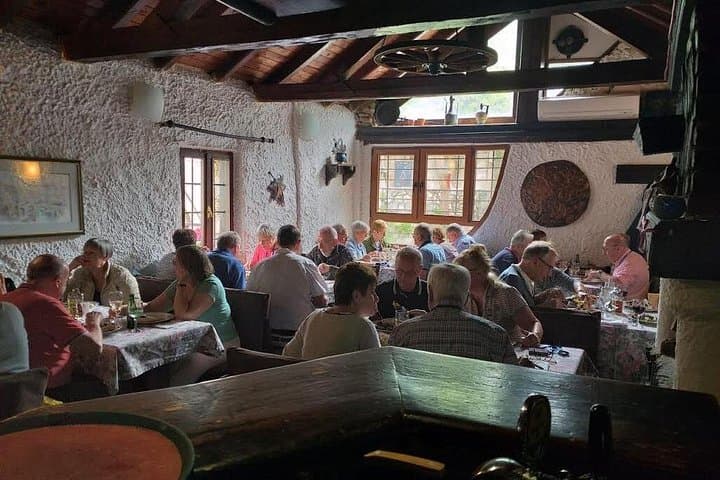

You step off a narrow cobbled lane and the Neretva announces itself — cool, green, and quick, threading the town and daring you to follow its banks. The market hums: a pastry chef-guide unwraps a paper-warm pie, the air thick with char from nearby grills and the bitter bloom of freshly brewed Bosnian coffee.
You step off a narrow cobbled lane and the Neretva announces itself — cool, green, and quick, threading the town and daring you to follow its banks. The market hums: a pastry chef-guide unwraps a paper-warm pie, the air thick with char from nearby grills and the bitter bloom of freshly brewed Bosnian coffee.
Mostar grew where the Ottoman Empire met the karst of Herzegovina. The Old Bridge (Stari Most) and its surrounding Kujundziluk bazaar anchor the city’s Ottoman-era streets and small craft shops; the river has carved limestone cliffs and terraces that shape the town’s layout and local food culture. On a short walking tour you’ll sample homemade pies (pita/burek styles), grilled meats from nearby farms, Bosnian coffee, and local beer while the guide threads historical notes on the Ottoman builders, post-war reconstruction, and the bridge’s UNESCO protection into the tasting stops.
The route is primarily compact, urban walking over cobbles and short stair sections — approachable but uneven underfoot. Expect 2.5 hours of stops and bites, opportunities to ask about ingredients and regional farming, and adaptations for vegetarian, vegan, or gluten-free diets if requested in advance. Carry local currency for small purchases, arrive hungry rather than full, and plan for mornings or early evenings to avoid the midday crowds and heat.
Practical tips: comfortable walking shoes, a light jacket for river breezes, and a small water bottle. This is as much a cultural primer as a food crawl — a brisk, sensory way to taste Mostar’s history alongside its cuisine.