THE ADVENTURE COLLECTIVE® · Independent discovery and booking for outdoor travel

Spend a private day from Mostar tasting Herzegovina wines—Blatina and Žilavka—while visiting two wineries, a pilgrimage site and the historic town of Pocitelj. This compact tour combines local flavor, short drives, and cultural stops for an accessible taste of the region.
Spend a private day from Mostar tasting Herzegovina wines—Blatina and Žilavka—while visiting two wineries, a pilgrimage site and the historic town of Pocitelj. This compact tour combines local flavor, short drives, and cultural stops for an accessible taste of the region.
You step out of an air‑conditioned van into the dry warmth of Herzegovina’s karst hills, the sun tracing limestone folds while vineyards slope toward the Neretva valley. Vines here grow on shallow soils; the air smells faintly of crushed herbs and sun‑baked earth. This one‑day loop from Mostar moves between family wineries, a pilgrimage stop, and the stone streets of Pocitelj, giving a compact portrait of the region’s landscape and culture.
Verified experiences and guided adventures in the surrounding area.
Operated by Herzegovina Wine Tour · Mostar, Herzegovina-Neretva Canton
You step out of an air‑conditioned van into the dry warmth of Herzegovina’s karst hills, the sun tracing limestone folds while vineyards slope toward the Neretva valley. Vines here grow on shallow soils; the air smells faintly of crushed herbs and sun‑baked earth. This one‑day loop from Mostar moves between family wineries, a pilgrimage stop, and the stone streets of Pocitelj, giving a compact portrait of the region’s landscape and culture.
Winemaking in Herzegovina dates back centuries, shaped by Ottoman and Austro‑Hungarian influences and a climate that favors the indigenous red Blatina and white Žilavka grapes. Geologically, the region is karst — limestone bedrock with springs and sinkholes — which stresses vines and concentrates flavor. Culturally the route intersects Catholic and Orthodox sites; expect simple monastery architecture, rural villages, and small producers who keep traditional cellar techniques alive.
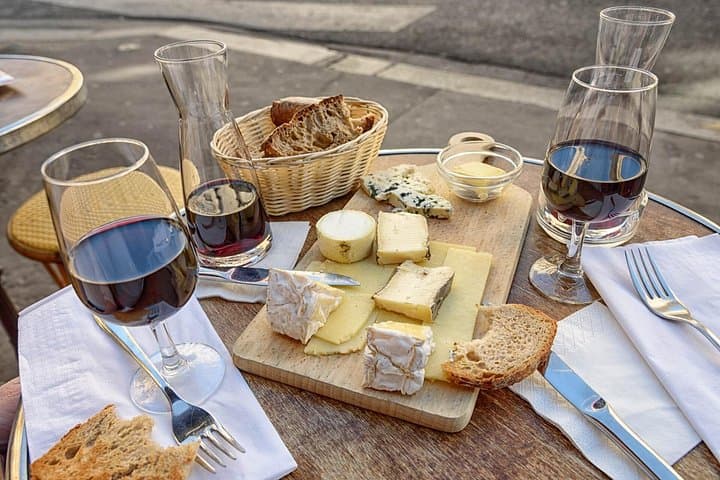
Practically, the tour is private and flexible: two winery visits with tastings of six wines total, a cheese and cold‑cut platter, and air‑conditioned transport. Distances are short—Mostar to Medjugorje/Citluk is roughly 20–30 km—so the day balances tasting with short cultural stops like Pocitelj and a monastery about 30 km away.
Bring ID for tastings, pace yourself between flights, and carry a small bottle of water even if provided. Photography is welcomed but be respectful in places of worship. The route suits casual travelers who want a grounded introduction to Herzegovina wine, culture, and limestone country without long drives or difficult terrain.
easy.
6–8 hours.
Suitable for all fitness levels; involves short, low‑impact walks at wineries and cultural stops
The itinerary includes visits to two wineries with a tasting of six wines total and a cheese and cold‑cut platter.
Yes—private, air‑conditioned transportation is included for the full day tour.
Yes—vendors can usually accommodate simple dietary requests if noted at booking; indicate special requirements in advance.
Local guides commonly speak English; confirm language needs when booking to ensure availability.
The area blends Ottoman and Austro‑Hungarian legacies; many small wineries preserve family techniques that predate modern commercialization.
Karst vineyards are ecologically sensitive—support producers who limit chemical use and avoid leaving waste on rural roads.
Herzegovina Wine Tour operates guided outdoor trips and adventures with an emphasis on safety, stewardship, and memorable experiences.



You step out of an air‑conditioned van into the dry warmth of Herzegovina’s karst hills, the sun tracing limestone folds while vineyards slope toward the Neretva valley. Vines here grow on shallow soils; the air smells faintly of crushed herbs and sun‑baked earth. This one‑day loop from Mostar moves between family wineries, a pilgrimage stop, and the stone streets of Pocitelj, giving a compact portrait of the region’s landscape and culture.
You step out of an air‑conditioned van into the dry warmth of Herzegovina’s karst hills, the sun tracing limestone folds while vineyards slope toward the Neretva valley. Vines here grow on shallow soils; the air smells faintly of crushed herbs and sun‑baked earth. This one‑day loop from Mostar moves between family wineries, a pilgrimage stop, and the stone streets of Pocitelj, giving a compact portrait of the region’s landscape and culture.
Winemaking in Herzegovina dates back centuries, shaped by Ottoman and Austro‑Hungarian influences and a climate that favors the indigenous red Blatina and white Žilavka grapes. Geologically, the region is karst — limestone bedrock with springs and sinkholes — which stresses vines and concentrates flavor. Culturally the route intersects Catholic and Orthodox sites; expect simple monastery architecture, rural villages, and small producers who keep traditional cellar techniques alive.
Practically, the tour is private and flexible: two winery visits with tastings of six wines total, a cheese and cold‑cut platter, and air‑conditioned transport. Distances are short—Mostar to Medjugorje/Citluk is roughly 20–30 km—so the day balances tasting with short cultural stops like Pocitelj and a monastery about 30 km away.
Bring ID for tastings, pace yourself between flights, and carry a small bottle of water even if provided. Photography is welcomed but be respectful in places of worship. The route suits casual travelers who want a grounded introduction to Herzegovina wine, culture, and limestone country without long drives or difficult terrain.