THE ADVENTURE COLLECTIVE® · Independent discovery and booking for outdoor travel

A compact, full-day circuit from Mostar that pairs powerful waterfalls with karst springs, a cliff-side Dervish tekke, panoramic viewpoints and evocative Ottoman streets. Ideal for travelers who want nature and history in one day.
A compact, full-day circuit from Mostar that pairs powerful waterfalls with karst springs, a cliff-side Dervish tekke, panoramic viewpoints and evocative Ottoman streets. Ideal for travelers who want nature and history in one day.
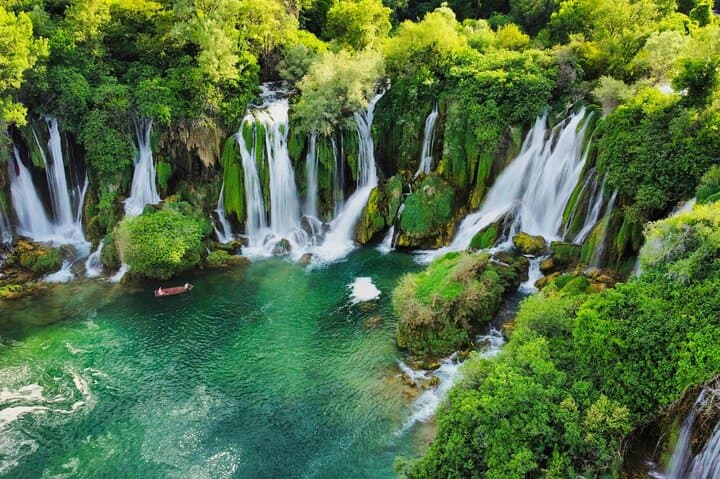
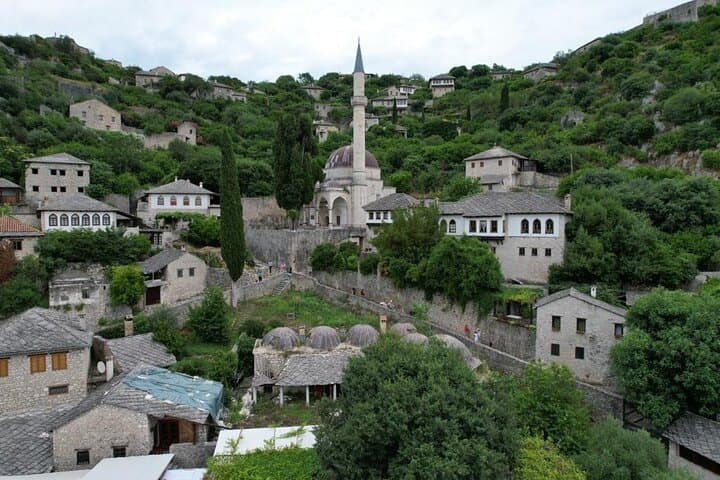
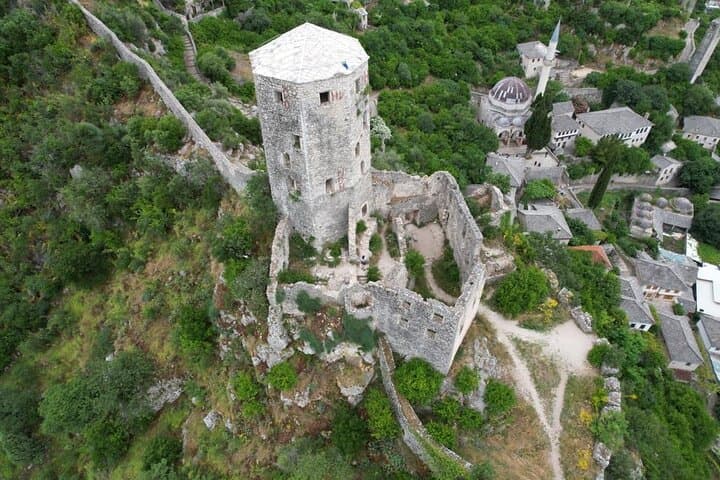
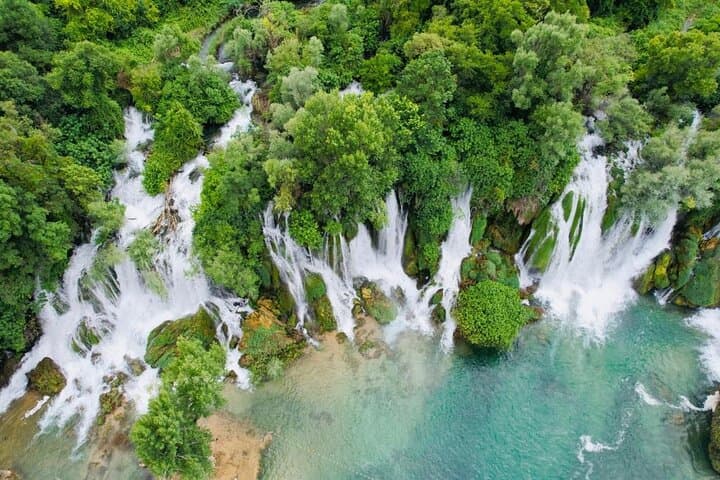
You leave Mostar before sunrise, the Neretva river glinting as the road dives into karst valleys. The tour moves like a loop through water and stone: Kravice’s curtain of turquoise drops, the Buna spring spilling cold and clear beneath Blagaj’s cliff-side tekke, the high vantage of Fortica where wind and view meet, and the timeworn streets of Počitelj clinging to its fortress.
Verified experiences and guided adventures in the surrounding area.
Operated by From Mostar: Day Trip to the Countryside of Herzegovina · Mostar, Herzegovina-Neretva Canton
You leave Mostar before sunrise, the Neretva river glinting as the road dives into karst valleys. The tour moves like a loop through water and stone: Kravice’s curtain of turquoise drops, the Buna spring spilling cold and clear beneath Blagaj’s cliff-side tekke, the high vantage of Fortica where wind and view meet, and the timeworn streets of Počitelj clinging to its fortress.
This corridor of Herzegovina tells a layered story. Ottoman-era Blagaj Tekke (16th century) sits at a major karst spring — groundwater forced through limestone that creates Europe’s clearest pools. Počitelj is a medieval-turned-Ottoman stronghold; its stone architecture and narrow lanes speak to centuries of trade and conflict along the Neretva. Geology dominates here: limestone plateaus, sinkholes, and river-carved canyons shape both scenery and local livelihoods.
Expect sensory contrasts: the thunder of Kravice’s falls, the whisper of Buna emerging from a cave, and the hollow echo of Počitelj’s alleys. Local culture is tactile — riverside restaurants serve simple grilled fish and strong coffee; guides often point out family olive groves and traditional masonry.
Practical notes: this is a full-day, small-group outing with moderate walking and short climbs; bring swimwear for Kravice, sturdy shoes for rocky viewpoints, sun protection, and a refillable water bottle. Photography is excellent but watch slippery edges at waterfalls and respect the religious site at Blagaj. Morning or late-afternoon visits avoid the midday crowds and high sun. Small groups, local guides, and short stops make this a high-value introduction to Herzegovina’s natural and cultural highlights.
easy.
8 hours.
Light fitness — comfortable walking and short climbs; accessible for most people who can stand and walk short distances.
Yes — swimming is commonly allowed in designated pool areas; enter with caution as surfaces can be slippery and currents variable.
Not all sites charge admission. Kravice and Blagaj may have local fees or parking charges; bring some cash for incidental expenses.
This is a roughly 8-hour day trip departing from Mostar with multiple stops; exact pickup details are provided at booking.
Yes — the itinerary involves short walks and roadside stops, but some viewpoints have steps; notify the operator of mobility needs in advance.
Blagaj’s Dervish monastery dates to the Ottoman period and was built at the Buna spring; Počitelj served as a fortified Ottoman administrative center on the Neretva.
Karst springs and river habitats are sensitive to pollution and over-tourism — stick to marked paths, pack out waste, and support local businesses that follow sustainable practices.
From Mostar: Day Trip to the Countryside of Herzegovina operates guided outdoor trips and adventures with an emphasis on safety, stewardship, and memorable experiences.
You leave Mostar before sunrise, the Neretva river glinting as the road dives into karst valleys. The tour moves like a loop through water and stone: Kravice’s curtain of turquoise drops, the Buna spring spilling cold and clear beneath Blagaj’s cliff-side tekke, the high vantage of Fortica where wind and view meet, and the timeworn streets of Počitelj clinging to its fortress.
You leave Mostar before sunrise, the Neretva river glinting as the road dives into karst valleys. The tour moves like a loop through water and stone: Kravice’s curtain of turquoise drops, the Buna spring spilling cold and clear beneath Blagaj’s cliff-side tekke, the high vantage of Fortica where wind and view meet, and the timeworn streets of Počitelj clinging to its fortress.
This corridor of Herzegovina tells a layered story. Ottoman-era Blagaj Tekke (16th century) sits at a major karst spring — groundwater forced through limestone that creates Europe’s clearest pools. Počitelj is a medieval-turned-Ottoman stronghold; its stone architecture and narrow lanes speak to centuries of trade and conflict along the Neretva. Geology dominates here: limestone plateaus, sinkholes, and river-carved canyons shape both scenery and local livelihoods.
Expect sensory contrasts: the thunder of Kravice’s falls, the whisper of Buna emerging from a cave, and the hollow echo of Počitelj’s alleys. Local culture is tactile — riverside restaurants serve simple grilled fish and strong coffee; guides often point out family olive groves and traditional masonry.
Practical notes: this is a full-day, small-group outing with moderate walking and short climbs; bring swimwear for Kravice, sturdy shoes for rocky viewpoints, sun protection, and a refillable water bottle. Photography is excellent but watch slippery edges at waterfalls and respect the religious site at Blagaj. Morning or late-afternoon visits avoid the midday crowds and high sun. Small groups, local guides, and short stops make this a high-value introduction to Herzegovina’s natural and cultural highlights.