THE ADVENTURE COLLECTIVE® · Independent discovery and booking for outdoor travel

A full-day excursion from Koločep that places you on the banks of the Neretva and into Mostar’s Ottoman quarter. Expect the Old Bridge, mosque visits, cobbled bazaars and easy walking with included transport and entrance fees.
A full-day excursion from Koločep that places you on the banks of the Neretva and into Mostar’s Ottoman quarter. Expect the Old Bridge, mosque visits, cobbled bazaars and easy walking with included transport and entrance fees.
You arrive to the city as the Neretva opens into a bright green ribbon cutting through limestone—its current dares you to stand on the Old Bridge and measure the drop with your pulse.
Verified experiences and guided adventures in the surrounding area.
Operated by Gulliver Travel · Mostar, Herzegovina-Neretva Canton
You arrive to the city as the Neretva opens into a bright green ribbon cutting through limestone—its current dares you to stand on the Old Bridge and measure the drop with your pulse.
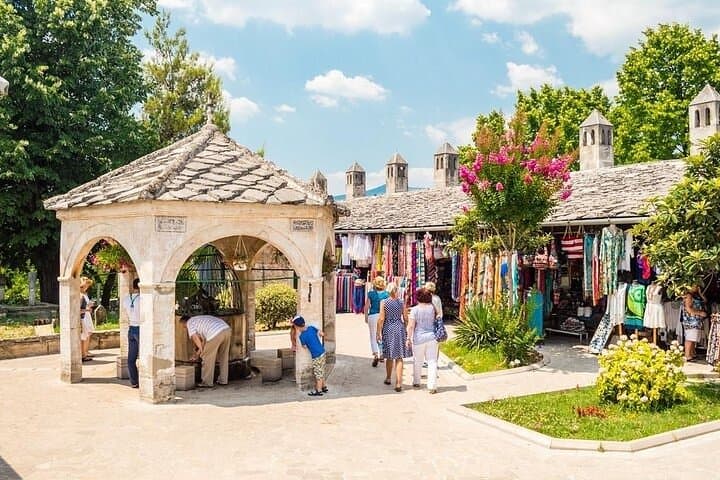
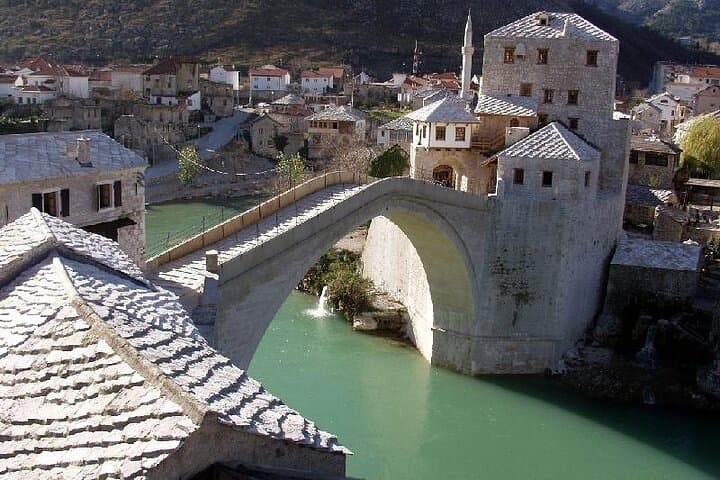
From the fortress above, minarets and red-tiled roofs slope into narrow streets where the sound of metalwork and market bargaining marks a living Ottoman quarter. The Old Bridge (Stari Most) is the focus: a single, elegant arch rebuilt after the 1990s conflict, giving a clear line between past and present. Walking the cobbles, you’ll pass Ottoman houses with carved wooden balconies, small mosques whose prayer calls punctuate the day, and a Turkish house that preserves domestic life from another era.
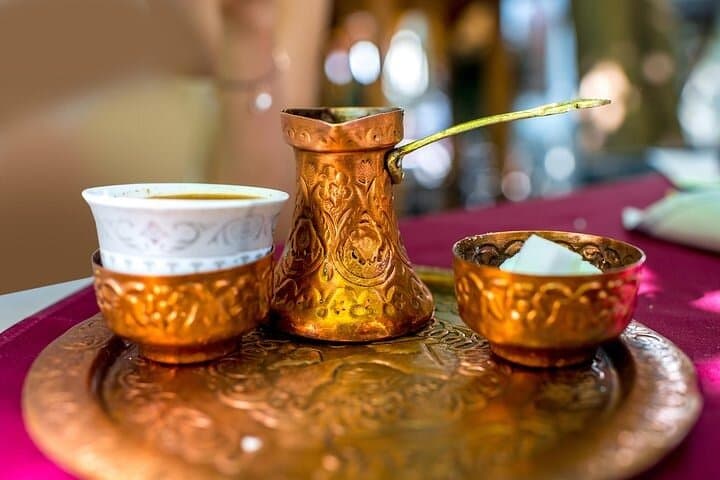
Geologically, Mostar sits on the edge of karst country—limestone cliffs and sinkholes shaped by the same forces that sculpt the Neretva gorge. Culturally it’s a crossroads: Bosniak, Croat and Ottoman influences show in food, architecture and crafts like copper beating and embroidery. The modern city holds memorials and museums that explain the 20th-century history alongside centuries-old traditions.
Practical notes: this is a full 9-hour excursion with air-conditioned transport and included entrance to a mosque and a Turkish house; passport details are required. Expect moderate walking on uneven, cobbled surfaces and a short climb to viewpoints—comfortable shoes and modest clothing for mosque visits are essential. Bring cash for local vendors, pick a morning arrival to avoid peak crowds, and allow time to sit riverside and watch the water push through the gorge before the return trip to Koločep or Dubrovnik.
easy.
9 hours.
Suitable for most fitness levels; involves several hours of walking on uneven cobbles and brief stair climbs to viewpoints.
The excursion runs about 9 hours (540 minutes) and includes air-conditioned transport, a professional guide, hotel pickup/drop-off, and entrance to a mosque and Turkish house as listed.
Yes—booking requires passport name, number and expiry, and you must present a valid passport on the day of travel.
The tour is rated easy but involves cobbled streets and steps; it’s suitable for most people but not ideal for those with significant mobility restrictions.
Meals are not listed as included—plan to budget for lunch and refreshments during your time in Mostar.
Mostar grew as an Ottoman frontier town in the 15th–17th centuries; Stari Most was originally built in the 16th century and rebuilt after its destruction in the 1990s conflict.
Mostar’s river and old-town fabric face pressure from tourism; stick to marked paths, avoid littering, and support local conservation-focused vendors.
Gulliver Travel operates guided outdoor trips and adventures with an emphasis on safety, stewardship, and memorable experiences.
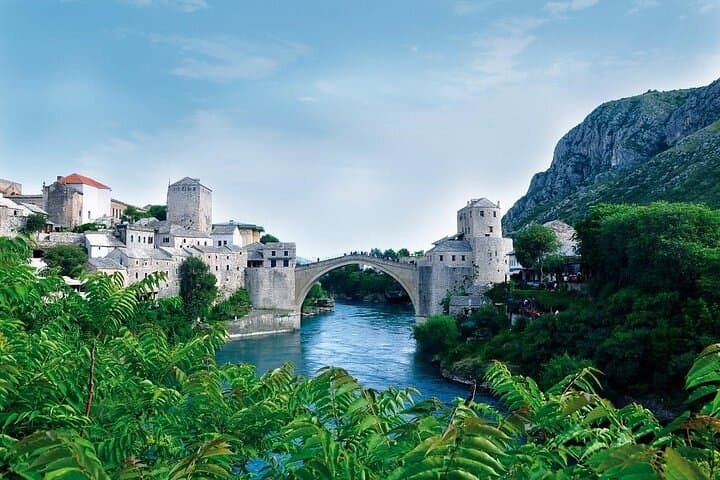
You arrive to the city as the Neretva opens into a bright green ribbon cutting through limestone—its current dares you to stand on the Old Bridge and measure the drop with your pulse.
You arrive to the city as the Neretva opens into a bright green ribbon cutting through limestone—its current dares you to stand on the Old Bridge and measure the drop with your pulse.
From the fortress above, minarets and red-tiled roofs slope into narrow streets where the sound of metalwork and market bargaining marks a living Ottoman quarter. The Old Bridge (Stari Most) is the focus: a single, elegant arch rebuilt after the 1990s conflict, giving a clear line between past and present. Walking the cobbles, you’ll pass Ottoman houses with carved wooden balconies, small mosques whose prayer calls punctuate the day, and a Turkish house that preserves domestic life from another era.
Geologically, Mostar sits on the edge of karst country—limestone cliffs and sinkholes shaped by the same forces that sculpt the Neretva gorge. Culturally it’s a crossroads: Bosniak, Croat and Ottoman influences show in food, architecture and crafts like copper beating and embroidery. The modern city holds memorials and museums that explain the 20th-century history alongside centuries-old traditions.
Practical notes: this is a full 9-hour excursion with air-conditioned transport and included entrance to a mosque and a Turkish house; passport details are required. Expect moderate walking on uneven, cobbled surfaces and a short climb to viewpoints—comfortable shoes and modest clothing for mosque visits are essential. Bring cash for local vendors, pick a morning arrival to avoid peak crowds, and allow time to sit riverside and watch the water push through the gorge before the return trip to Koločep or Dubrovnik.