THE ADVENTURE COLLECTIVE® · Independent discovery and booking for outdoor travel

Take a private full-day loop from Sarajevo to Mostar, Blagaj and Kravice Waterfalls—experience Ottoman bridges, the Buna spring, and a dramatic 25m cascade. This guide covers what to expect, local history, and practical tips for the long day.
Take a private full-day loop from Sarajevo to Mostar, Blagaj and Kravice Waterfalls—experience Ottoman bridges, the Buna spring, and a dramatic 25m cascade. This guide covers what to expect, local history, and practical tips for the long day.
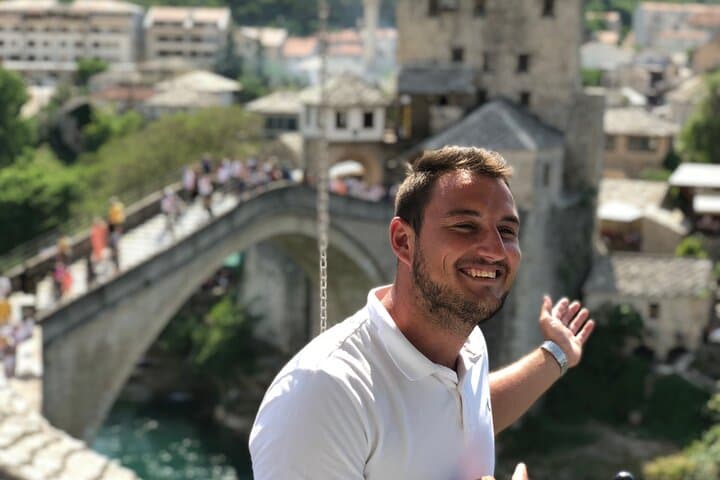
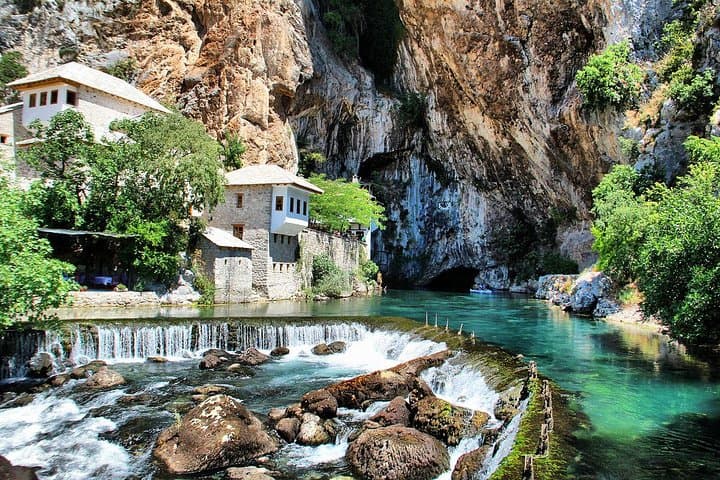
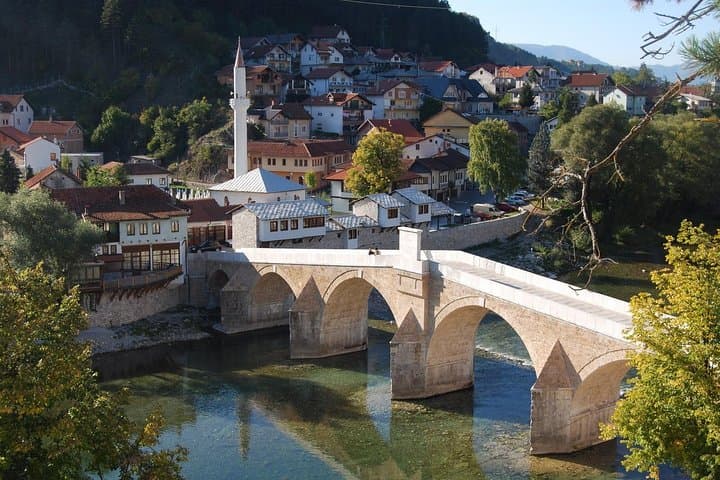
The road peels away from Sarajevo’s bowl of red roofs and climbs into a different light—one of limestone cliffs, river green, and Ottoman stonework. On this private day tour the driver threads scarred mountain passes toward Herzegovina, depositing travelers at a string of places that feel like chapters: Konjic’s old bridge and café stops; the spring-fed serenity of Blagaj with its Dervish tekke; the broad plunge pool and cascades of Kravice; and finally Mostar with its 16th-century Stari Most arching above the Neretva.
Verified experiences and guided adventures in the surrounding area.
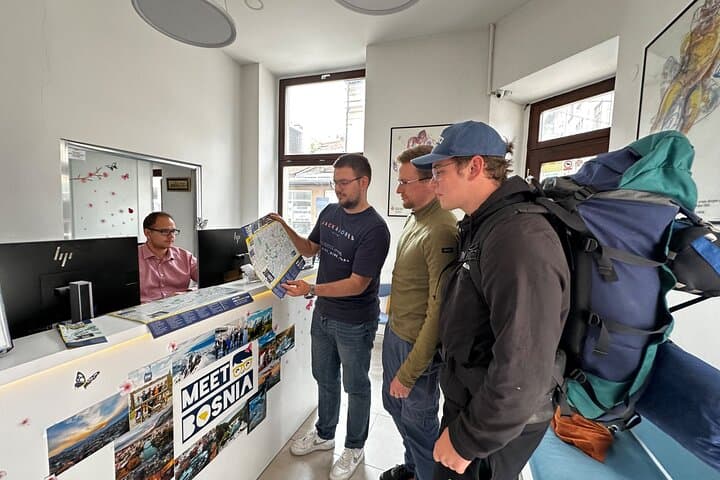
Operated by Meet Bosnia Travel · Mostar, Herzegovina-Neretva Canton
The road peels away from Sarajevo’s bowl of red roofs and climbs into a different light—one of limestone cliffs, river green, and Ottoman stonework. On this private day tour the driver threads scarred mountain passes toward Herzegovina, depositing travelers at a string of places that feel like chapters: Konjic’s old bridge and café stops; the spring-fed serenity of Blagaj with its Dervish tekke; the broad plunge pool and cascades of Kravice; and finally Mostar with its 16th-century Stari Most arching above the Neretva.
Geology here is visible: karst limestone shaped by rivers into steep gorges and tumbled terraces, which let waterfalls and springs concentrate into dramatic, compact scenes. Culturally the route is a palimpsest of Ottoman architecture, Austro-Hungarian marks, and local Herzegovinian life—markets, mosques, and stone houses clustered on sun-baked slopes.
Expect short walks at each stop rather than long hikes; Kravice offers a descent to the water and optional swims when weather allows. Guides usually cover local history—the Old Bridge rebuilt after wartime destruction and Blagaj’s tekke perched at Buna’s spring—and point out viewpoints where the landscape broadens to olive groves and terraced fields.
Practical notes: it’s a long day (about 10–11 hours) with multiple stops—bring layered clothing for river breezes, sturdy walking shoes for uneven stone streets, a refillable water bottle, and a small daypack. Carry local currency for small purchases, and plan photography windows at early morning or late afternoon light to avoid harsh midday glare.
moderate.
10–11 hours.
Suitable for most fitness levels but expect a full day of standing, short walks and some stairs; basic mobility required.
The tour departs from central Sarajevo (Gazi Husrev-begova area) and returns to the same pickup point at the end of the day.
Guided transportation and bottled water are included; local entry fees to specific monuments or facilities may not be covered—confirm with the operator before booking.
Swimming is often allowed in designated areas when water and weather conditions are safe, but rules can vary seasonally—follow the guide’s instructions.
Private tours typically provide an English-speaking guide; check booking details for other language options.
Mostar’s Old Bridge was built in 1566 by Ottoman architect Hayruddin and rebuilt in the early 2000s after wartime destruction; Blagaj’s tekke dates to the Ottoman era beside the Buna spring.
Kravice is protected as a natural rarity—stay on designated paths, avoid littering, and respect local restrictions to prevent erosion and damage to riparian habitats.
Meet Bosnia Travel operates guided outdoor trips and adventures with an emphasis on safety, stewardship, and memorable experiences.
The road peels away from Sarajevo’s bowl of red roofs and climbs into a different light—one of limestone cliffs, river green, and Ottoman stonework. On this private day tour the driver threads scarred mountain passes toward Herzegovina, depositing travelers at a string of places that feel like chapters: Konjic’s old bridge and café stops; the spring-fed serenity of Blagaj with its Dervish tekke; the broad plunge pool and cascades of Kravice; and finally Mostar with its 16th-century Stari Most arching above the Neretva.
The road peels away from Sarajevo’s bowl of red roofs and climbs into a different light—one of limestone cliffs, river green, and Ottoman stonework. On this private day tour the driver threads scarred mountain passes toward Herzegovina, depositing travelers at a string of places that feel like chapters: Konjic’s old bridge and café stops; the spring-fed serenity of Blagaj with its Dervish tekke; the broad plunge pool and cascades of Kravice; and finally Mostar with its 16th-century Stari Most arching above the Neretva.
Geology here is visible: karst limestone shaped by rivers into steep gorges and tumbled terraces, which let waterfalls and springs concentrate into dramatic, compact scenes. Culturally the route is a palimpsest of Ottoman architecture, Austro-Hungarian marks, and local Herzegovinian life—markets, mosques, and stone houses clustered on sun-baked slopes.
Expect short walks at each stop rather than long hikes; Kravice offers a descent to the water and optional swims when weather allows. Guides usually cover local history—the Old Bridge rebuilt after wartime destruction and Blagaj’s tekke perched at Buna’s spring—and point out viewpoints where the landscape broadens to olive groves and terraced fields.
Practical notes: it’s a long day (about 10–11 hours) with multiple stops—bring layered clothing for river breezes, sturdy walking shoes for uneven stone streets, a refillable water bottle, and a small daypack. Carry local currency for small purchases, and plan photography windows at early morning or late afternoon light to avoid harsh midday glare.