THE ADVENTURE COLLECTIVE® · Independent discovery and booking for outdoor travel

A private full-day trip from Dubrovnik that pairs Mostar’s UNESCO Old Bridge and lively bazaar with Ston’s medieval walls and oyster tables. Expect cultural immersion, short walks, and coastal saltworks.
A private full-day trip from Dubrovnik that pairs Mostar’s UNESCO Old Bridge and lively bazaar with Ston’s medieval walls and oyster tables. Expect cultural immersion, short walks, and coastal saltworks.
You leave Dubrovnik before sunrise and the Adriatic light bends across the highway as the van pushes inland toward Bosnia’s Neretva valley. By the time the city recedes behind you, the road opens to vineyards and karst ridgelines, and Mostar’s silhouette — the stone Old Bridge arcing above a green-blue river — pulls into focus.
Verified experiences and guided adventures in the surrounding area.
Operated by Touch Croatia · Dubrovnik, Dubrovnik-Neretva
You leave Dubrovnik before sunrise and the Adriatic light bends across the highway as the van pushes inland toward Bosnia’s Neretva valley. By the time the city recedes behind you, the road opens to vineyards and karst ridgelines, and Mostar’s silhouette — the stone Old Bridge arcing above a green-blue river — pulls into focus.
Mostar’s Stari Most dates to the 16th century Ottoman era and was painstakingly rebuilt after the conflicts of the 1990s; the Old Bazaar of Kujundziluk still hums with craftsmen and silverware sellers. Geology shapes the region: limestone bedrock, narrow river gorges, and fertile terraces that sustain vineyards and orchards along the valley.
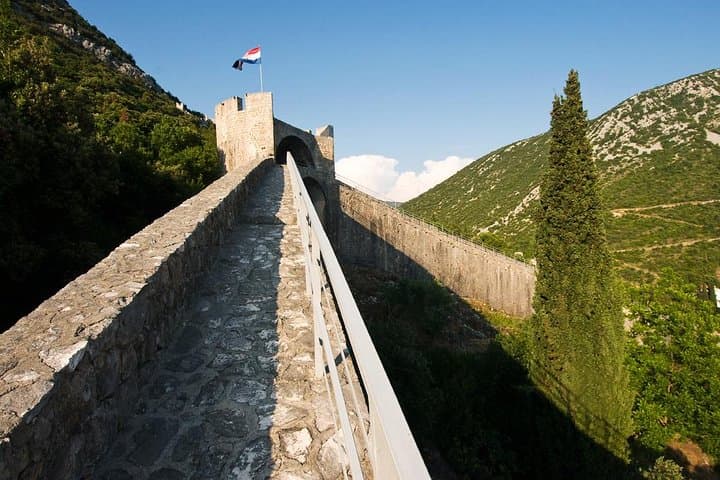
After exploring cobbled streets, small mosques, and riverside cafés where Turkish coffee is served the local way, the route returns south to Ston on the Pelješac peninsula. Ston’s medieval ramparts stretch longer than any other in Europe, and adjacent salt pans show salt-harvesting techniques that go back millennia. The town is also known for oyster beds fed by nutrient-rich currents from the bay.
Practical guidance: this is a full-day private tour (about 9–10 hours) with hotel pickup in Dubrovnik. Expect multiple short walks on uneven cobbles and stairs—comfortable walking shoes are essential. Carry your passport (border crossing), sun protection in summer, and a small daypack for water and camera. Aim for an early start to avoid midday crowds in Mostar, and plan some cash for small purchases at the bazaar.
easy.
9–10 hours.
Suitable for most fitness levels; requires ability to walk short distances on uneven terrain and climb stairs.
Yes — hotel pickup and drop-off in Dubrovnik are included as noted in the tour inclusions.
Lunch in Ston is included in the itinerary for this tour (often featuring local oysters), but confirm any dietary needs when booking.
Passport requirements depend on your nationality; check visa rules for Bosnia and Herzegovina before travel — bring your passport regardless.
The itinerary notes admissions as generally not included; access to Mostar’s Old Bridge area is public, but some museums or specific sites may charge separate fees.
Mostar’s Old Bridge was built by the Ottomans in the 16th century and reconstructed after its 1990s destruction; Ston’s walls and saltworks date back to medieval Dubrovnik Republic investments in salt as a strategic resource.
Salt pans are a working traditional landscape; visitors should stick to paths and avoid disturbing oyster beds and saltworks to support local conservation and livelihoods.
Touch Croatia operates guided outdoor trips and adventures with an emphasis on safety, stewardship, and memorable experiences.
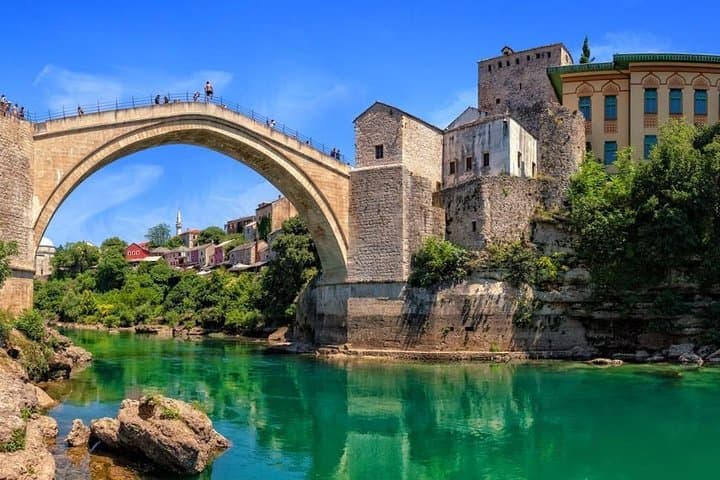
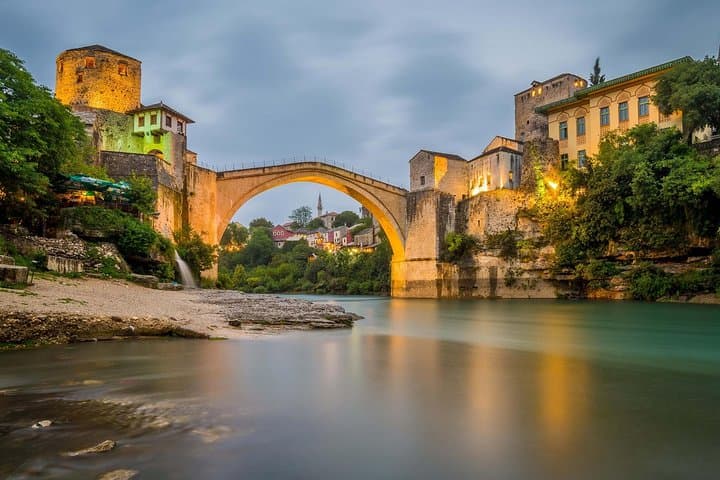
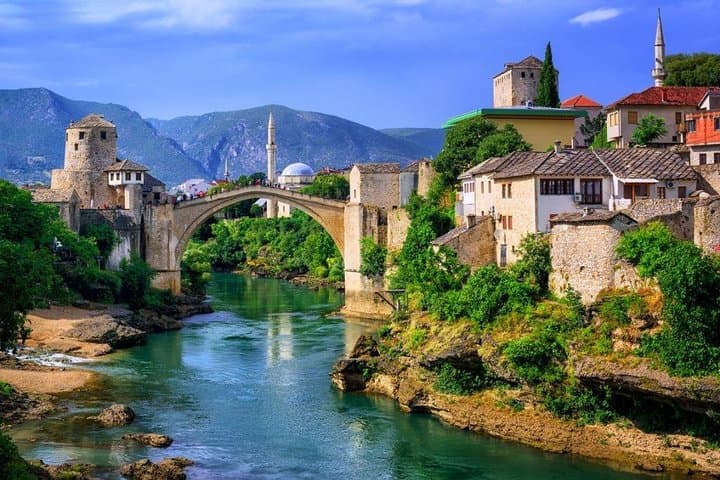
You leave Dubrovnik before sunrise and the Adriatic light bends across the highway as the van pushes inland toward Bosnia’s Neretva valley. By the time the city recedes behind you, the road opens to vineyards and karst ridgelines, and Mostar’s silhouette — the stone Old Bridge arcing above a green-blue river — pulls into focus.
You leave Dubrovnik before sunrise and the Adriatic light bends across the highway as the van pushes inland toward Bosnia’s Neretva valley. By the time the city recedes behind you, the road opens to vineyards and karst ridgelines, and Mostar’s silhouette — the stone Old Bridge arcing above a green-blue river — pulls into focus.
Mostar’s Stari Most dates to the 16th century Ottoman era and was painstakingly rebuilt after the conflicts of the 1990s; the Old Bazaar of Kujundziluk still hums with craftsmen and silverware sellers. Geology shapes the region: limestone bedrock, narrow river gorges, and fertile terraces that sustain vineyards and orchards along the valley.
After exploring cobbled streets, small mosques, and riverside cafés where Turkish coffee is served the local way, the route returns south to Ston on the Pelješac peninsula. Ston’s medieval ramparts stretch longer than any other in Europe, and adjacent salt pans show salt-harvesting techniques that go back millennia. The town is also known for oyster beds fed by nutrient-rich currents from the bay.
Practical guidance: this is a full-day private tour (about 9–10 hours) with hotel pickup in Dubrovnik. Expect multiple short walks on uneven cobbles and stairs—comfortable walking shoes are essential. Carry your passport (border crossing), sun protection in summer, and a small daypack for water and camera. Aim for an early start to avoid midday crowds in Mostar, and plan some cash for small purchases at the bazaar.