THE ADVENTURE COLLECTIVE® · Independent discovery and booking for outdoor travel

Cross a national border in a day and witness both faith and history: a private trip from Dubrovnik to Medjugorje’s pilgrimage site and Mostar’s iconic Stari Most. Expect driving stretches, cobbled streets, and concentrated cultural stops.
Cross a national border in a day and witness both faith and history: a private trip from Dubrovnik to Medjugorje’s pilgrimage site and Mostar’s iconic Stari Most. Expect driving stretches, cobbled streets, and concentrated cultural stops.
You leave Dubrovnik before the heat of the day, the Adriatic shrinking behind the coach window as olive groves and limestone hills take over. The road follows the coast briefly, then bends inland toward Neum — Bosnia and Herzegovina’s narrow seaside sliver — where a short coffee pause resets the clock for a day of shifting borders and deep local stories.
Verified experiences and guided adventures in the surrounding area.
Operated by Super Transfer Services · Dubrovnik, Dubrovnik-Neretva County
You leave Dubrovnik before the heat of the day, the Adriatic shrinking behind the coach window as olive groves and limestone hills take over. The road follows the coast briefly, then bends inland toward Neum — Bosnia and Herzegovina’s narrow seaside sliver — where a short coffee pause resets the clock for a day of shifting borders and deep local stories.
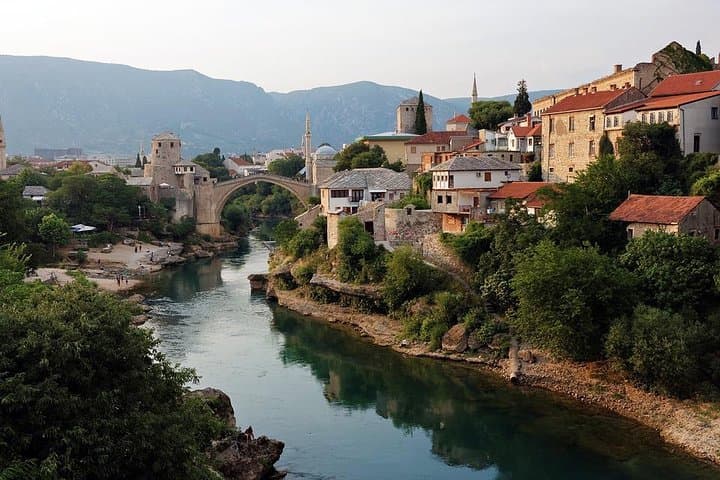
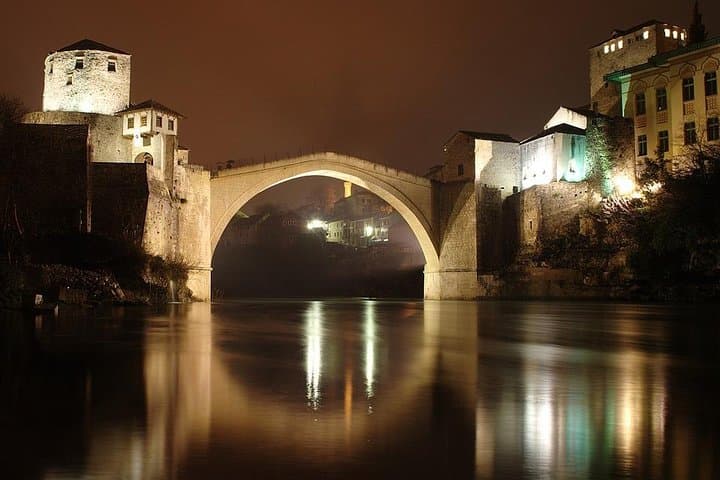
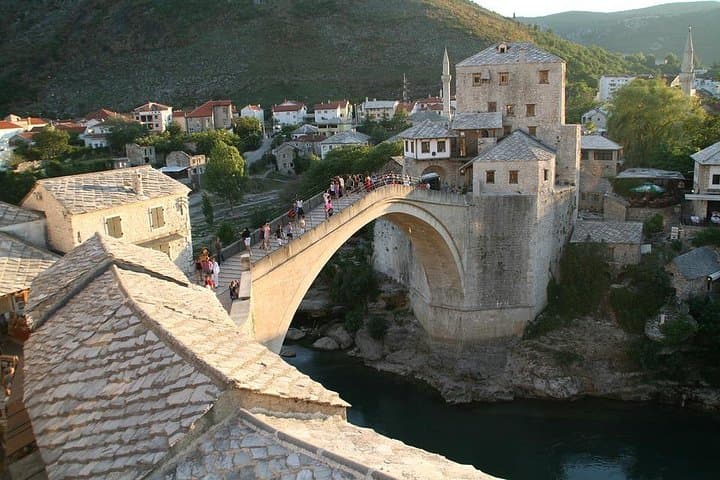
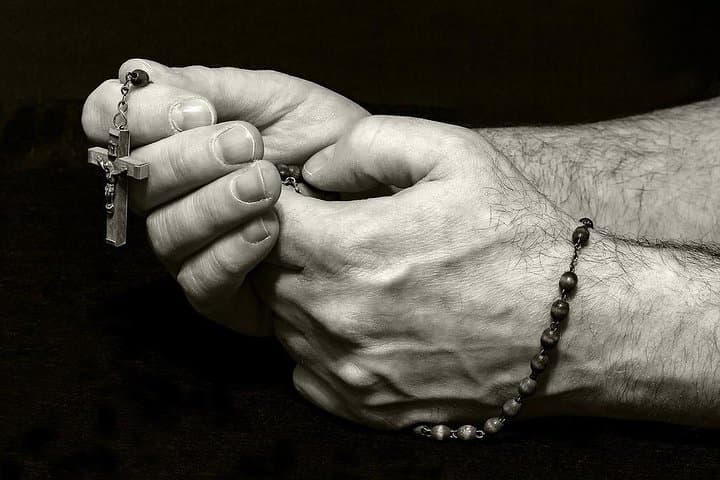
History here is visible in stone. Medjugorje, a contemporary pilgrimage site since 1981, presents a quiet courtyard of prayer and rounded church bells; nearby karst plateaus speak to the same geology that carved the Neretva canyon and fed Mostar’s emerald river. Mostar’s Old Town centers on Stari Most, the 16th‑century Ottoman bridge rebuilt after the war of the 1990s — a place where architecture and memory meet in the river’s swift current.
Expect a mix of driving and walking: about 10 hours total, with roughly 2–3 hours’ driving each way and multiple short stops. Pavements in Mostar’s Kujundžiluk bazaar are cobbled and uneven; the mosque courtyards are low‑rise and accessible with modest steps. Time in Medjugorje is reflective and brief — plan for respectful attire and quiet observation.
Practical essentials: bring your passport (border checks are routine), local currency for small purchases (Bosnian convertible marka), a reusable water bottle, and comfortable shoes for cobbles and stairs. If you value photography, plan early or late stops for softer light on the bridge and the Neretva’s green current. The tour moves at a steady clip — pack patience and a charged phone for a day that pairs cultural depth with a taste of Balkan landscapes.
easy.
10 hours.
Suitable for most people in average physical condition — primarily seated transfers with short, easy walks and some stair negotiation.
You need a valid passport to cross from Croatia into Bosnia and Herzegovina; check visa requirements for your nationality in advance.
Bosnian convertible marka (BAM) is used in Mostar and Medjugorje, though some vendors accept euros — small cash is useful for markets and tips.
Yes — the tour includes hotel pickup and drop-off in Dubrovnik as noted in the inclusions; confirm your pickup point at booking.
The tour involves short walks on uneven, cobbled surfaces and stairs at historic sites; those with limited mobility should contact the operator to discuss accessibility needs.
Mostar’s bridge was first built by the Ottomans in the 16th century; it was destroyed in the 1990s conflict and carefully reconstructed as an international effort, making it a living symbol of cultural recovery.
Visitors should avoid littering and respect protected riparian zones along the Neretva; local NGOs monitor restoration projects and encourage low‑impact tourism.
Super Transfer Services operates guided outdoor trips and adventures with an emphasis on safety, stewardship, and memorable experiences.
You leave Dubrovnik before the heat of the day, the Adriatic shrinking behind the coach window as olive groves and limestone hills take over. The road follows the coast briefly, then bends inland toward Neum — Bosnia and Herzegovina’s narrow seaside sliver — where a short coffee pause resets the clock for a day of shifting borders and deep local stories.
You leave Dubrovnik before the heat of the day, the Adriatic shrinking behind the coach window as olive groves and limestone hills take over. The road follows the coast briefly, then bends inland toward Neum — Bosnia and Herzegovina’s narrow seaside sliver — where a short coffee pause resets the clock for a day of shifting borders and deep local stories.
History here is visible in stone. Medjugorje, a contemporary pilgrimage site since 1981, presents a quiet courtyard of prayer and rounded church bells; nearby karst plateaus speak to the same geology that carved the Neretva canyon and fed Mostar’s emerald river. Mostar’s Old Town centers on Stari Most, the 16th‑century Ottoman bridge rebuilt after the war of the 1990s — a place where architecture and memory meet in the river’s swift current.
Expect a mix of driving and walking: about 10 hours total, with roughly 2–3 hours’ driving each way and multiple short stops. Pavements in Mostar’s Kujundžiluk bazaar are cobbled and uneven; the mosque courtyards are low‑rise and accessible with modest steps. Time in Medjugorje is reflective and brief — plan for respectful attire and quiet observation.
Practical essentials: bring your passport (border checks are routine), local currency for small purchases (Bosnian convertible marka), a reusable water bottle, and comfortable shoes for cobbles and stairs. If you value photography, plan early or late stops for softer light on the bridge and the Neretva’s green current. The tour moves at a steady clip — pack patience and a charged phone for a day that pairs cultural depth with a taste of Balkan landscapes.