THE ADVENTURE COLLECTIVE® · Independent discovery and booking for outdoor travel

Drive from Dubrovnik through Pelješac to a borderland of Ottoman bridges, fortified villages and the tufa-carved Kravice Waterfalls. This private day trip pairs Mostar’s reconstructed Old Bridge with swimming and short hikes at a dramatic karst cascade.
Drive from Dubrovnik through Pelješac to a borderland of Ottoman bridges, fortified villages and the tufa-carved Kravice Waterfalls. This private day trip pairs Mostar’s reconstructed Old Bridge with swimming and short hikes at a dramatic karst cascade.
You start before dawn in Dubrovnik, sliding into an air‑conditioned car as the Adriatic light hardens on the highway. The road leans inland across Pelješac’s vineyards; by the time you cross into Bosnia and Herzegovina the hills have a different angle—rockier, karstified, and older than the coast.
Verified experiences and guided adventures in the surrounding area.
Operated by Insider Holidays d.o.o. · Mostar, Herzegovina-Neretva Canton
You start before dawn in Dubrovnik, sliding into an air‑conditioned car as the Adriatic light hardens on the highway. The road leans inland across Pelješac’s vineyards; by the time you cross into Bosnia and Herzegovina the hills have a different angle—rockier, karstified, and older than the coast.
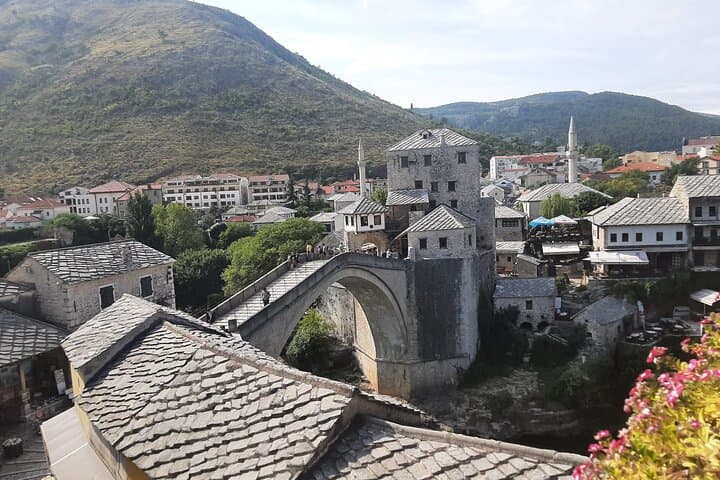
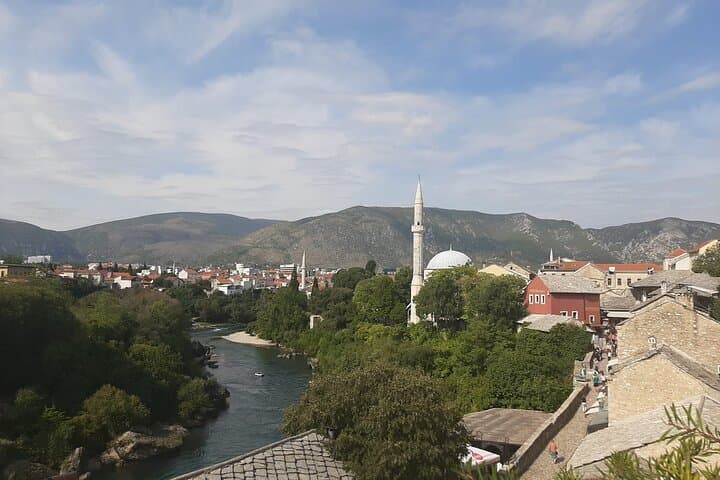
Mostar greets you with an Old Town of stone lanes and a single-span bridge that carries centuries of Ottoman and Austro-Hungarian stories. The current Stari Most is a recent reconstruction—rebuilt after the 1990s conflict—and standing beside it you feel the city’s layered history: medieval trade routes, Ottoman architecture, and modern recovery.
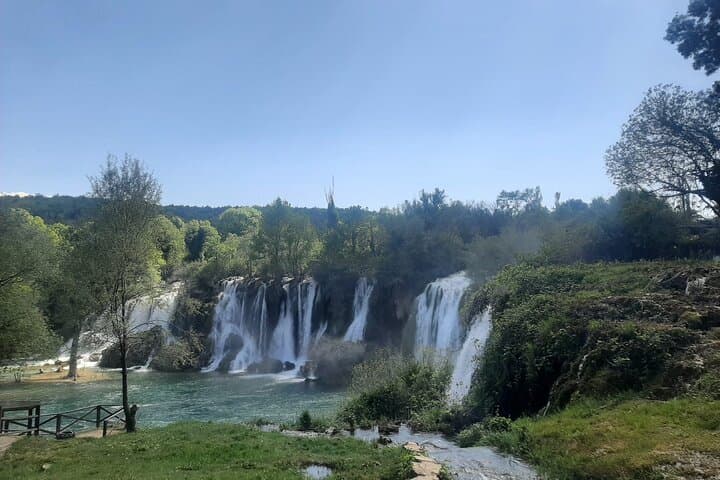
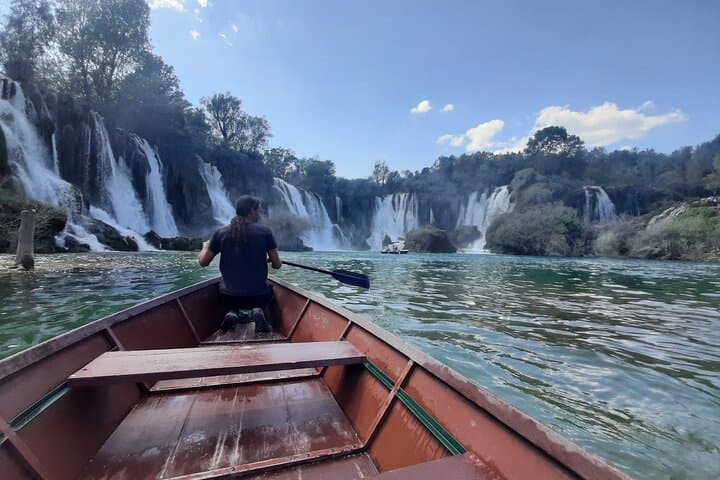
An hour from Mostar, Kravice Waterfalls arrives as a sudden green amphitheatre. Limestone and tufa have shaped cascades and plunge pools; water carves channels, inviting swims in summer and cool, misty views in shoulder seasons. Between towns you’ll pass fortified Pocitelj and the spring-fed village of Blagaj—a reminder that this borderland has been a crossroads for centuries.
Practical edge: the full excursion is a long day (about 9–10 hours). Expect short, steep stone steps at viewpoints, uneven paths at the falls, and border controls—carry passports and some BAM cash. Pack swimwear if visiting in warm months, comfortable walking shoes for cobbled streets, and sun protection. Aim for an early start to beat crowds at Mostar’s bridge and to have clear light for photographs. Respect local sites and waterways: stick to marked paths, support small cafés, and leave no trace so these karst landscapes stay wild for the next traveler.
easy.
9–10 hours.
Light fitness: comfortable sitting for several hours and short walks with stairs; suitable for most travelers.
Yes. The tour crosses the Croatia–Bosnia and Herzegovina border—carry a valid passport and any required visas.
Yes in summer months there is time to swim in designated areas; bring a towel and footwear suitable for slippery rocks.
Food is generally not included; there will be opportunities to buy lunch or snacks in Mostar or near Kravice—carry some BAM or Euros.
The driving and sightseeing are family‑friendly, but both Mostar’s Old Town and Kravice have stairs and uneven surfaces that can be challenging for limited mobility.
Mostar’s Old Bridge was originally built in the 16th century under Ottoman rule and famously destroyed during the 1990s conflict; its 2004 reconstruction is a symbol of cultural restoration.
Kravice’s karst pools are sensitive to visitor pressure—use marked access points, avoid littering, and support local admission fees that fund site maintenance.
Insider Holidays d.o.o. operates guided outdoor trips and adventures with an emphasis on safety, stewardship, and memorable experiences.
You start before dawn in Dubrovnik, sliding into an air‑conditioned car as the Adriatic light hardens on the highway. The road leans inland across Pelješac’s vineyards; by the time you cross into Bosnia and Herzegovina the hills have a different angle—rockier, karstified, and older than the coast.
You start before dawn in Dubrovnik, sliding into an air‑conditioned car as the Adriatic light hardens on the highway. The road leans inland across Pelješac’s vineyards; by the time you cross into Bosnia and Herzegovina the hills have a different angle—rockier, karstified, and older than the coast.
Mostar greets you with an Old Town of stone lanes and a single-span bridge that carries centuries of Ottoman and Austro-Hungarian stories. The current Stari Most is a recent reconstruction—rebuilt after the 1990s conflict—and standing beside it you feel the city’s layered history: medieval trade routes, Ottoman architecture, and modern recovery.
An hour from Mostar, Kravice Waterfalls arrives as a sudden green amphitheatre. Limestone and tufa have shaped cascades and plunge pools; water carves channels, inviting swims in summer and cool, misty views in shoulder seasons. Between towns you’ll pass fortified Pocitelj and the spring-fed village of Blagaj—a reminder that this borderland has been a crossroads for centuries.
Practical edge: the full excursion is a long day (about 9–10 hours). Expect short, steep stone steps at viewpoints, uneven paths at the falls, and border controls—carry passports and some BAM cash. Pack swimwear if visiting in warm months, comfortable walking shoes for cobbled streets, and sun protection. Aim for an early start to beat crowds at Mostar’s bridge and to have clear light for photographs. Respect local sites and waterways: stick to marked paths, support small cafés, and leave no trace so these karst landscapes stay wild for the next traveler.