THE ADVENTURE COLLECTIVE® · Independent discovery and booking for outdoor travel

Cross centuries in one day: stroll Mostar’s rebuilt Old Bridge, sip Turkish coffee, and cool off beneath Kravice’s emerald curtains. This full‑day guided trip from Omiš mixes history, karst geology and a swim-ready nature stop—perfect for travelers who want a compact yet immersive Bosnia and Herzegovina experience.
Cross centuries in one day: stroll Mostar’s rebuilt Old Bridge, sip Turkish coffee, and cool off beneath Kravice’s emerald curtains. This full‑day guided trip from Omiš mixes history, karst geology and a swim-ready nature stop—perfect for travelers who want a compact yet immersive Bosnia and Herzegovina experience.
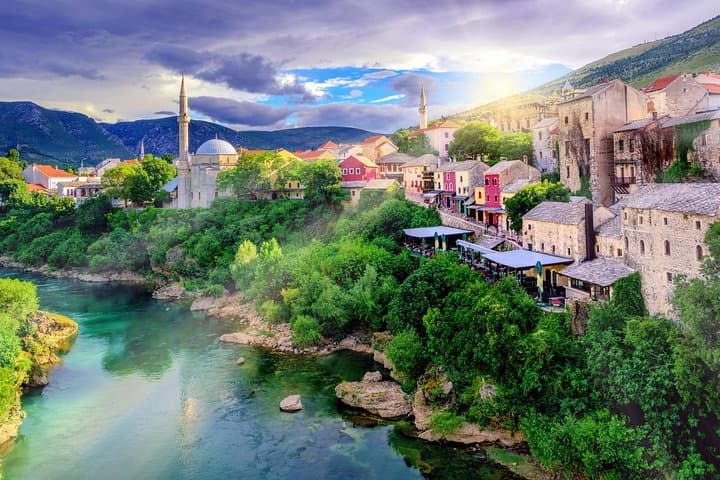
You step onto the bus in Omiš before dawn and the coastline slips away—lime cliffs, fishing boats, then open karst. By midmorning the Neretva valley appears: copper-colored river cutting through cliffs, a mix of Ottoman stone and Austro-Hungarian facades that announce Mostar’s layered past.
Verified experiences and guided adventures in the surrounding area.
Operated by Šugaman Tours · Mostar, Herzegovina-Neretva
You step onto the bus in Omiš before dawn and the coastline slips away—lime cliffs, fishing boats, then open karst. By midmorning the Neretva valley appears: copper-colored river cutting through cliffs, a mix of Ottoman stone and Austro-Hungarian facades that announce Mostar’s layered past.
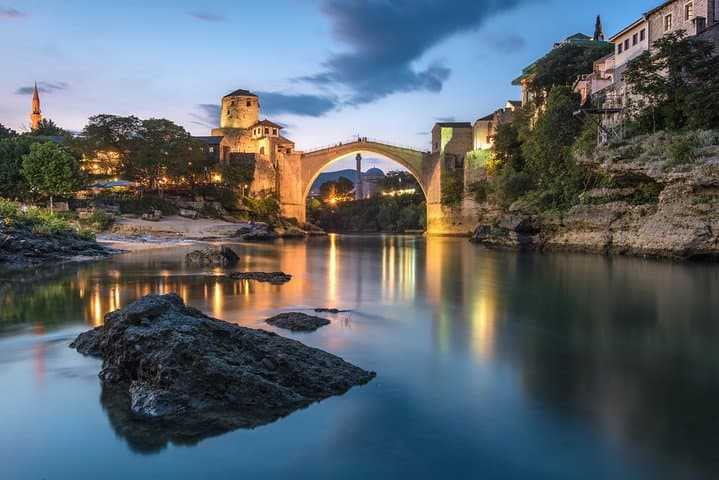
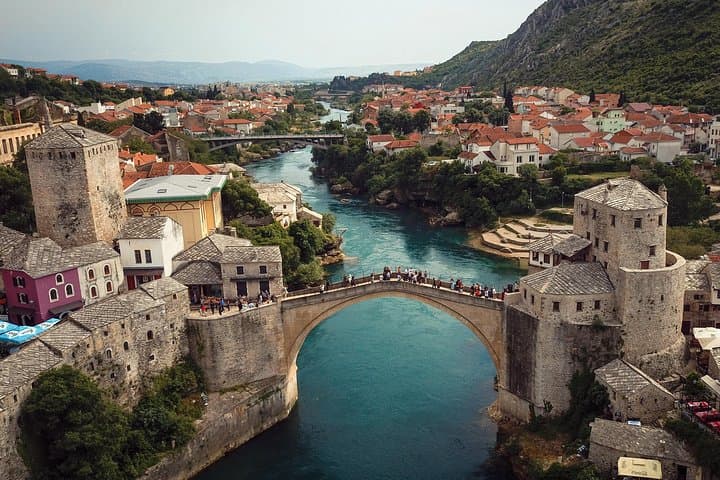
Mostar’s Old Bridge (Stari Most) was built in the 16th century by Ottoman craftsmen and rebuilt after the 1990s conflict; its single-span arch still draws divers and storytellers. A short drive downstream, the village of Počitelj sits like a medieval theater carved into limestone, its tower offering guarded views of the river below. Geologically, the region is classic Dinaric karst—limestone plateaus, sinkholes and springs that feed waterfalls and emerald pools.
Culture here tastes like strong Turkish coffee and grilled ćevapi; guides point out mosques, Ottoman houses and the changing face of a borderland where languages and cuisines meet.
Practically, expect a full day: long transfers, guided walking in Mostar and a relaxed swim at Kravice Falls when conditions allow. Bring a passport and any required visas for the Bosnia and Herzegovina border crossing, quick-dry swimwear, and sturdy shoes for uneven cobbles. Water can be cold even in summer; plan layers and a waterproof light shell. The visit is part sightseeing, part nature stop—carry cash for park entry and local vendors. Timing matters: aim for early departures to avoid afternoon crowds at the falls and to make the most of daylight on the return to Omiš.
easy.
12 hours.
Suitable for travelers with average fitness; involves short walks on cobbles and steps but no technical hiking.
Yes—this tour crosses into Bosnia and Herzegovina; a current passport is required and visas are the traveler’s responsibility.
Yes, swimming is allowed in the pools at Kravice when water levels are safe; lifeguards are not guaranteed—use caution.
No—there’s a park entry fee (cash) and a small border crossing fee payable at the meeting point as advised by the operator.
Expect 1–2 hours of walking around the Old Bridge area on cobbles and steps; the pace is moderate with stops for photos and coffee.
Mostar’s Stari Most was an Ottoman-era bridge completed in the 16th century and symbolically rebuilt in 2004 after wartime destruction; Počitelj dates back to medieval defenses along the Neretva.
Kravice is a protected nature area—stick to marked paths, avoid leaving waste, and note that swimming may be restricted during high flow to protect both visitors and habitat.
Šugaman Tours operates guided outdoor trips and adventures with an emphasis on safety, stewardship, and memorable experiences.

You step onto the bus in Omiš before dawn and the coastline slips away—lime cliffs, fishing boats, then open karst. By midmorning the Neretva valley appears: copper-colored river cutting through cliffs, a mix of Ottoman stone and Austro-Hungarian facades that announce Mostar’s layered past.
You step onto the bus in Omiš before dawn and the coastline slips away—lime cliffs, fishing boats, then open karst. By midmorning the Neretva valley appears: copper-colored river cutting through cliffs, a mix of Ottoman stone and Austro-Hungarian facades that announce Mostar’s layered past.
Mostar’s Old Bridge (Stari Most) was built in the 16th century by Ottoman craftsmen and rebuilt after the 1990s conflict; its single-span arch still draws divers and storytellers. A short drive downstream, the village of Počitelj sits like a medieval theater carved into limestone, its tower offering guarded views of the river below. Geologically, the region is classic Dinaric karst—limestone plateaus, sinkholes and springs that feed waterfalls and emerald pools.
Culture here tastes like strong Turkish coffee and grilled ćevapi; guides point out mosques, Ottoman houses and the changing face of a borderland where languages and cuisines meet.
Practically, expect a full day: long transfers, guided walking in Mostar and a relaxed swim at Kravice Falls when conditions allow. Bring a passport and any required visas for the Bosnia and Herzegovina border crossing, quick-dry swimwear, and sturdy shoes for uneven cobbles. Water can be cold even in summer; plan layers and a waterproof light shell. The visit is part sightseeing, part nature stop—carry cash for park entry and local vendors. Timing matters: aim for early departures to avoid afternoon crowds at the falls and to make the most of daylight on the return to Omiš.