THE ADVENTURE COLLECTIVE® · Independent discovery and booking for outdoor travel

A full-day loop from Dubrovnik to Kravice Waterfalls and Mostar blends easy outdoor time at travertine falls with a cultural walk through an Ottoman-era city. This guide covers what to expect, logistics, and practical tips for a long but rewarding day trip.
A full-day loop from Dubrovnik to Kravice Waterfalls and Mostar blends easy outdoor time at travertine falls with a cultural walk through an Ottoman-era city. This guide covers what to expect, logistics, and practical tips for a long but rewarding day trip.
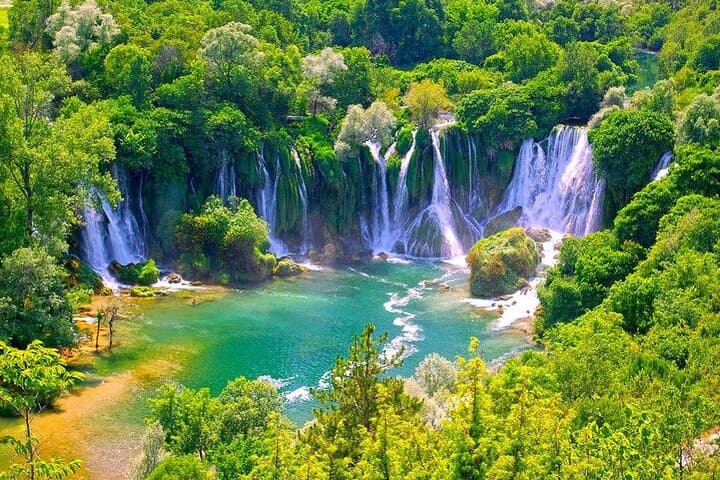
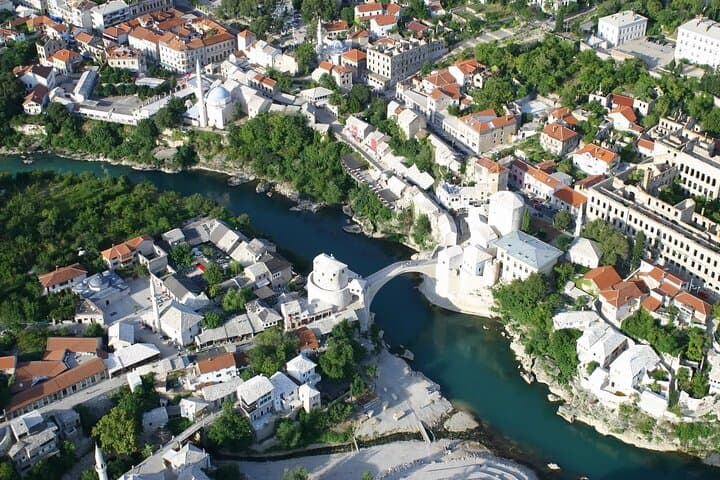
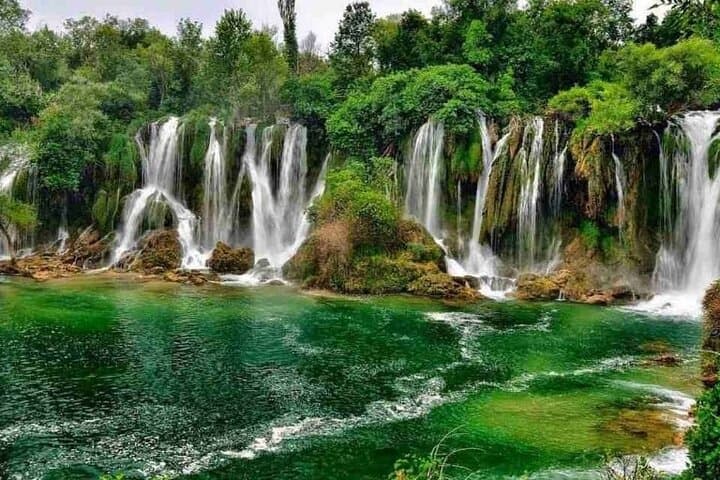
You pull away from Dubrovnik's stone coast at first light and the Adriatic shrinks behind you while the road climbs toward the border. By midday the Trebižat river appears, green and insistent, pushing over travertine steps to form Kravice — a wide curtain of water that dares you to linger at its pool. Later, cobbled streets in Mostar funnel you toward the Old Bridge, where history watches passersby and the Neretva runs cold and fast beneath.
Verified experiences and guided adventures in the surrounding area.
Operated by Deep Green Travel · Mostar, Herzegovina-Neretva Canton
You pull away from Dubrovnik's stone coast at first light and the Adriatic shrinks behind you while the road climbs toward the border. By midday the Trebižat river appears, green and insistent, pushing over travertine steps to form Kravice — a wide curtain of water that dares you to linger at its pool. Later, cobbled streets in Mostar funnel you toward the Old Bridge, where history watches passersby and the Neretva runs cold and fast beneath.
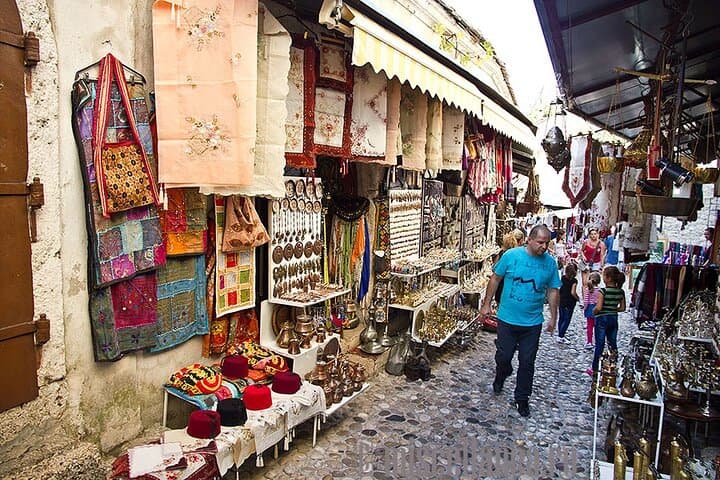
Kravice is a travertine cascade formed where limestone deposits slow the river, creating boulder-strewn pools and ledges. Nearby Mostar’s Stari Most, built in the 16th century by Ottoman engineers, marks centuries of trade and cultural exchange and was rebuilt after wartime destruction in the 1990s. Local cafés serve strong Bosnian coffee and grilled meat, while villages along the road keep traditional craft shops where silverwork and woven textiles persist.
Expect roughly a 10–12 hour outing with two main stops: a 1.5–2 hour park window at Kravice for swimming, photos, or a riverside drink, and about three hours exploring Mostar’s old town and market. Trails and park paths are short but can be uneven; stairs and riverbanks demand steady footwear. Bring ID for border crossing, local currency for small purchases, and a modest pace—the day is long and driven by roads between highlights. Time your trip for morning departures to avoid midday crowds, and respect signage around fragile travertine and private properties.
easy.
10–12 hours.
Suitable for most fitness levels; involves light walking, short uneven paths, and stairs in town.
Many nationalities can cross from Croatia into Bosnia and Herzegovina visa-free for short visits; check your embassy’s rules and carry your passport.
Yes — tours typically allow about 1.5–2 hours at Kravice with time for swimming, photos, or a riverside drink, weather permitting.
The local currency is the Bosnian Convertible Mark (BAM); euros are sometimes accepted, but small vendors often prefer cash BAM.
No — the visit involves short, mostly-flat park paths around the falls and walking on cobbled streets in Mostar, not long hikes.
Mostar’s Stari Most dates to the 1560s under Ottoman rule, reconstructed in 2004 after wartime destruction; Kravice’s travertine falls formed where limestone deposition created natural terraces on the Trebižat river.
Kravice’s travertine formations are sensitive to foot traffic and pollution—follow marked paths, avoid littering, and use local services to support conservation efforts.
Deep Green Travel operates guided outdoor trips and adventures with an emphasis on safety, stewardship, and memorable experiences.
You pull away from Dubrovnik's stone coast at first light and the Adriatic shrinks behind you while the road climbs toward the border. By midday the Trebižat river appears, green and insistent, pushing over travertine steps to form Kravice — a wide curtain of water that dares you to linger at its pool. Later, cobbled streets in Mostar funnel you toward the Old Bridge, where history watches passersby and the Neretva runs cold and fast beneath.
You pull away from Dubrovnik's stone coast at first light and the Adriatic shrinks behind you while the road climbs toward the border. By midday the Trebižat river appears, green and insistent, pushing over travertine steps to form Kravice — a wide curtain of water that dares you to linger at its pool. Later, cobbled streets in Mostar funnel you toward the Old Bridge, where history watches passersby and the Neretva runs cold and fast beneath.
Kravice is a travertine cascade formed where limestone deposits slow the river, creating boulder-strewn pools and ledges. Nearby Mostar’s Stari Most, built in the 16th century by Ottoman engineers, marks centuries of trade and cultural exchange and was rebuilt after wartime destruction in the 1990s. Local cafés serve strong Bosnian coffee and grilled meat, while villages along the road keep traditional craft shops where silverwork and woven textiles persist.
Expect roughly a 10–12 hour outing with two main stops: a 1.5–2 hour park window at Kravice for swimming, photos, or a riverside drink, and about three hours exploring Mostar’s old town and market. Trails and park paths are short but can be uneven; stairs and riverbanks demand steady footwear. Bring ID for border crossing, local currency for small purchases, and a modest pace—the day is long and driven by roads between highlights. Time your trip for morning departures to avoid midday crowds, and respect signage around fragile travertine and private properties.