THE ADVENTURE COLLECTIVE® · Independent discovery and booking for outdoor travel

A full-day crossing from Dubrovnik to Bosnia and Herzegovina that pairs Mostar’s historic Stari Most with the tufa terraces and swimming pools of Kravice Waterfalls. Expect a guided walking tour, free time to explore, and a refreshing stop at the falls.
A full-day crossing from Dubrovnik to Bosnia and Herzegovina that pairs Mostar’s historic Stari Most with the tufa terraces and swimming pools of Kravice Waterfalls. Expect a guided walking tour, free time to explore, and a refreshing stop at the falls.
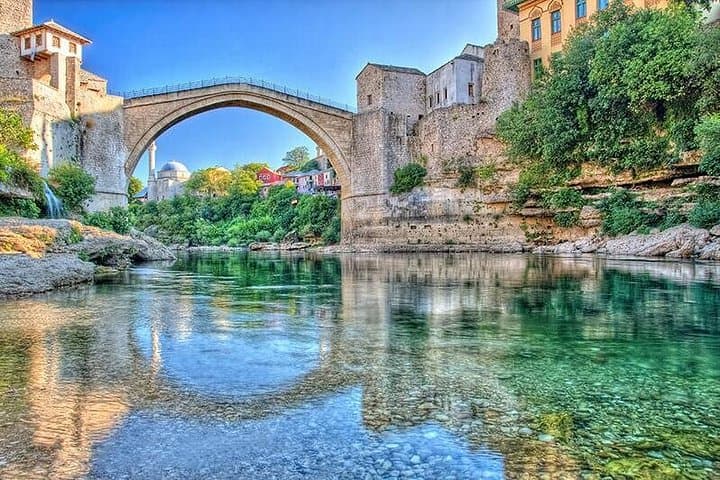
You arrive before the bridge: the Neretva hurries green and cold, pushing light against the stone arch where divers once launched themselves into the river below.
Verified experiences and guided adventures in the surrounding area.
Operated by Ragusa Tours · Mostar, Herzegovina-Neretva Canton
You arrive before the bridge: the Neretva hurries green and cold, pushing light against the stone arch where divers once launched themselves into the river below.
The day unfolds as two acts. In Mostar the Ottoman-built Stari Most—rebuilt after 1990s destruction—dominates a compact old town of mosques, cobbled lanes, and bazaar stalls where leather and copperwares clang. History here reads in layers: medieval bridge-keepers, Ottoman architects, Austro-Hungarian streets and wartime repair. The river cut that makes the bridge so dramatic also carved the karst limestone of Herzegovina, creating springs and subterranean channels that feed downstream waterfalls.
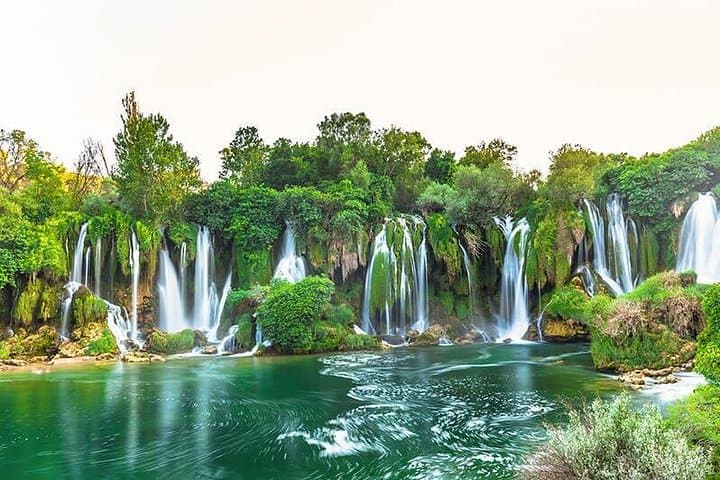
A short drive out of town brings Kravice Falls, a semicircular curtain of water spilling over tufa terraces into a shallow emerald pool. The falls are geologically young tufa formations—calcium carbonate deposits that build natural steps—giving the site its café-lined edges, picnic groves, and rope-swing spots. In spring the flow is at its fullest; in summer local swimmers slip through cooler currents.
Practical notes: the tour runs about ten hours with hotel pickup from Dubrovnik; bring your passport for the Bosnia and Herzegovina border crossing. Wear sturdy sneakers for descending to viewpoints and pack a swimsuit and towel if you intend to swim—entrances and facilities are seasonal and limited.
Expect a mix of guided history in Mostar and free time to explore, followed by 90 minutes at Kravice. Hydrate, plan for sun and shade, and budget a little cash for local eateries and small entrance fees.
easy.
10–11 hours.
Light fitness required: able to walk 30–60 minutes total on uneven cobbles and short descents to viewpoints.
Yes—this tour crosses the Croatia–Bosnia and Herzegovina border, so a valid passport (and any required visas) is mandatory.
Swimming is typically allowed in warmer months but depends on flow and local management; bring swimwear but confirm with your guide on the day.
Yes—the itinerary includes a guided walking segment plus free time for independent exploration, shopping, or food.
The tour notes stroller access in some areas, but uneven cobbles and steps around bridges and falls can limit mobility—infant seats are sometimes available for transfers.
Mostar’s Old Bridge was originally built in the 16th century by the Ottomans; its 2004 reconstruction restored a symbol of the city’s multi-ethnic heritage.
Kravice is sensitive to changes in water flow and litter—visitors are encouraged to use marked paths, avoid single-use plastics, and respect locally posted swimming rules.
Ragusa Tours operates guided outdoor trips and adventures with an emphasis on safety, stewardship, and memorable experiences.
You arrive before the bridge: the Neretva hurries green and cold, pushing light against the stone arch where divers once launched themselves into the river below.
You arrive before the bridge: the Neretva hurries green and cold, pushing light against the stone arch where divers once launched themselves into the river below.
The day unfolds as two acts. In Mostar the Ottoman-built Stari Most—rebuilt after 1990s destruction—dominates a compact old town of mosques, cobbled lanes, and bazaar stalls where leather and copperwares clang. History here reads in layers: medieval bridge-keepers, Ottoman architects, Austro-Hungarian streets and wartime repair. The river cut that makes the bridge so dramatic also carved the karst limestone of Herzegovina, creating springs and subterranean channels that feed downstream waterfalls.
A short drive out of town brings Kravice Falls, a semicircular curtain of water spilling over tufa terraces into a shallow emerald pool. The falls are geologically young tufa formations—calcium carbonate deposits that build natural steps—giving the site its café-lined edges, picnic groves, and rope-swing spots. In spring the flow is at its fullest; in summer local swimmers slip through cooler currents.
Practical notes: the tour runs about ten hours with hotel pickup from Dubrovnik; bring your passport for the Bosnia and Herzegovina border crossing. Wear sturdy sneakers for descending to viewpoints and pack a swimsuit and towel if you intend to swim—entrances and facilities are seasonal and limited.
Expect a mix of guided history in Mostar and free time to explore, followed by 90 minutes at Kravice. Hydrate, plan for sun and shade, and budget a little cash for local eateries and small entrance fees.