THE ADVENTURE COLLECTIVE® · Independent discovery and booking for outdoor travel

A full-day shuttle from Dubrovnik that pairs the broad, swim-friendly cascades of Kravice with Mostar’s Old Bridge and historic streets. Expect a long scenic drive, a border stop, and two hours each at the waterfall and the old town.
A full-day shuttle from Dubrovnik that pairs the broad, swim-friendly cascades of Kravice with Mostar’s Old Bridge and historic streets. Expect a long scenic drive, a border stop, and two hours each at the waterfall and the old town.
You step into the bus just before dawn; the Adriatic light still low as the road peels away from Dubrovnik and follows river valleys inland. The drive through Dubrovnik-Neretva county unfolds like a map in motion: olive terraces, stone walls, and karst ridges giving way to the broad Neretva valley. By midmorning the air carries the cool spray of Kravice, water daring you to get closer.
Verified experiences and guided adventures in the surrounding area.
Operated by Dubrovnik transfer travel agency · Mostar, Herzegovina-Neretva Canton
You step into the bus just before dawn; the Adriatic light still low as the road peels away from Dubrovnik and follows river valleys inland. The drive through Dubrovnik-Neretva county unfolds like a map in motion: olive terraces, stone walls, and karst ridges giving way to the broad Neretva valley. By midmorning the air carries the cool spray of Kravice, water daring you to get closer.
Kravice is a broad cascade formed where limestone and tufa trap the river into semicircular falls—shallow pools rimmed in green where swimming is often permitted in summer. Later, in Mostar, the 16th-century Stari Most bridge, rebuilt after the 1990s conflict, arches above the river, still a place where local divers test gravity and visitors trace Ottoman and Austro-Hungarian layers in narrow streets.
Culturally the route threads a borderland of East and West: mosques and Catholic churches stand within sight of each other, and small markets sell local cheeses, smoked ham, and salt from Ston along the return. Geologically, the karst landscape channels underground streams that reappear as clear turquoise water at springs and cascades.
Practicalities: expect an 8–12 hour day with a border control stop, private air-conditioned transport, and short guided walks at each site. Bring a passport, comfortable shoes for stone streets and wet steps, swimwear if you want to enter Kravice, and cash for small entry fees or snacks. Timing matters—arrive early to avoid midday crowds and midday heat. Leave no trace: the flow here is sensitive, and local guides rely on visitors who respect the water and trails.
moderate.
8–12 hours.
Light to moderate fitness—able to handle walking on uneven stone streets, short stair sections, and standing for up to two hours at each site.
Yes—this itinerary crosses the Croatia–Bosnia and Herzegovina border. Bring a valid passport or accepted national ID card.
Swimming is often allowed in summer months but depends on seasonal water levels and local rules; bring swimwear and check with your guide on arrival.
Admission is typically not included; plan to pay small entry fees at Kravice and any museums or sites in Mostar.
Yes—the tour includes private, air-conditioned transport with pickup and drop-off from listed Dubrovnik locations; confirm your pickup point at booking.
Mostar’s Stari Most was built in the 16th century under Ottoman rule and rebuilt after destruction in the 1990s; the region’s mix of Ottoman, Austro-Hungarian, and local traditions shapes its markets and cuisine.
The Kravice pools and Neretva basin are karst-dependent ecosystems sensitive to pollution and overtourism—use reef-safe sunscreen, avoid littering, and follow local guidance to protect water quality.
Dubrovnik transfer travel agency operates guided outdoor trips and adventures with an emphasis on safety, stewardship, and memorable experiences.
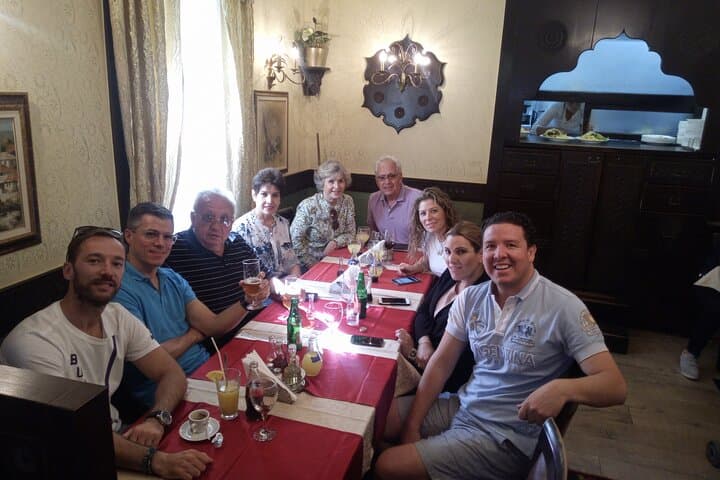
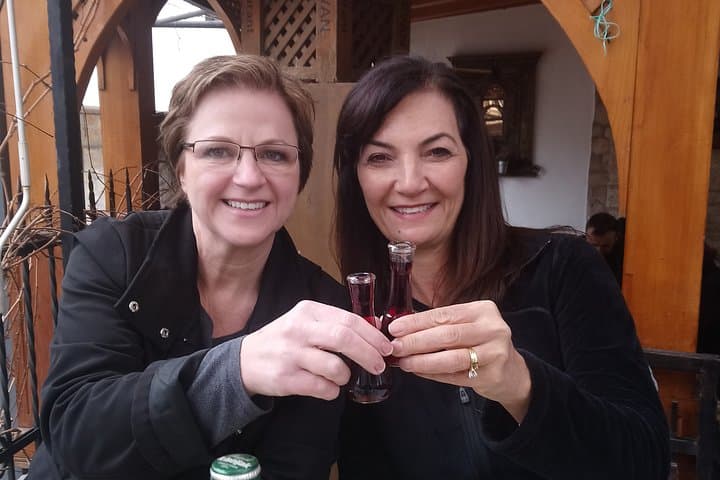
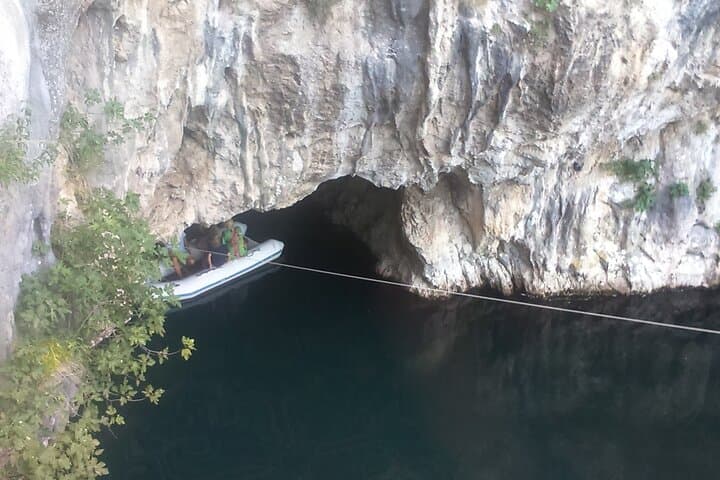
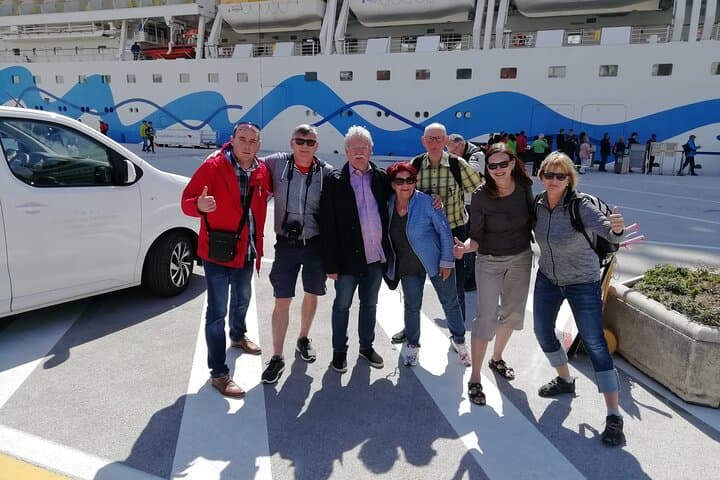
You step into the bus just before dawn; the Adriatic light still low as the road peels away from Dubrovnik and follows river valleys inland. The drive through Dubrovnik-Neretva county unfolds like a map in motion: olive terraces, stone walls, and karst ridges giving way to the broad Neretva valley. By midmorning the air carries the cool spray of Kravice, water daring you to get closer.
You step into the bus just before dawn; the Adriatic light still low as the road peels away from Dubrovnik and follows river valleys inland. The drive through Dubrovnik-Neretva county unfolds like a map in motion: olive terraces, stone walls, and karst ridges giving way to the broad Neretva valley. By midmorning the air carries the cool spray of Kravice, water daring you to get closer.
Kravice is a broad cascade formed where limestone and tufa trap the river into semicircular falls—shallow pools rimmed in green where swimming is often permitted in summer. Later, in Mostar, the 16th-century Stari Most bridge, rebuilt after the 1990s conflict, arches above the river, still a place where local divers test gravity and visitors trace Ottoman and Austro-Hungarian layers in narrow streets.
Culturally the route threads a borderland of East and West: mosques and Catholic churches stand within sight of each other, and small markets sell local cheeses, smoked ham, and salt from Ston along the return. Geologically, the karst landscape channels underground streams that reappear as clear turquoise water at springs and cascades.
Practicalities: expect an 8–12 hour day with a border control stop, private air-conditioned transport, and short guided walks at each site. Bring a passport, comfortable shoes for stone streets and wet steps, swimwear if you want to enter Kravice, and cash for small entry fees or snacks. Timing matters—arrive early to avoid midday crowds and midday heat. Leave no trace: the flow here is sensitive, and local guides rely on visitors who respect the water and trails.