THE ADVENTURE COLLECTIVE® · Independent discovery and booking for outdoor travel

Spend a long day crossing borders from Dubrovnik to Bosnia: explore Mostar’s Old Bridge and alleys, then cool off beneath Kravica’s tufa falls. This guided trip balances cultural sightseeing with an easy swim stop and practical transport.
Spend a long day crossing borders from Dubrovnik to Bosnia: explore Mostar’s Old Bridge and alleys, then cool off beneath Kravica’s tufa falls. This guided trip balances cultural sightseeing with an easy swim stop and practical transport.
The day opens on a coastal road that peels away from Dubrovnik’s stone ramparts and pushes inland toward emerald karst rivers. By midmorning the minarets of Mostar appear above red roofs; the Neretva cuts the valley in a bright, cold ribbon daring you to cross.
Verified experiences and guided adventures in the surrounding area.
Operated by Ragusa Tours · Mostar, Federation of Bosnia and Herzegovina
The day opens on a coastal road that peels away from Dubrovnik’s stone ramparts and pushes inland toward emerald karst rivers. By midmorning the minarets of Mostar appear above red roofs; the Neretva cuts the valley in a bright, cold ribbon daring you to cross.
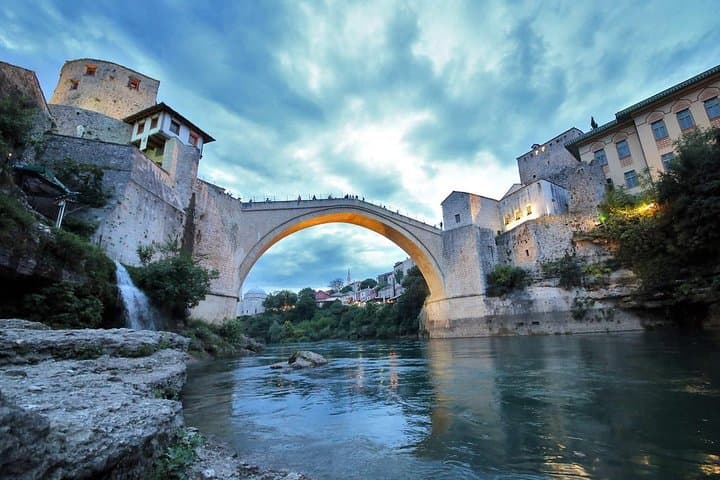
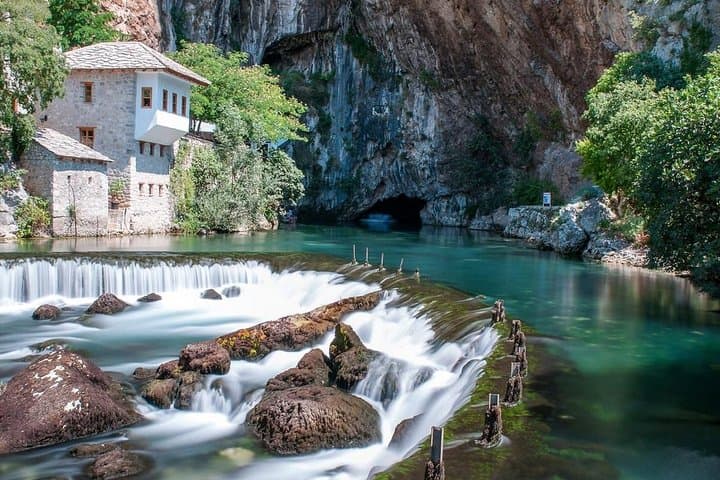
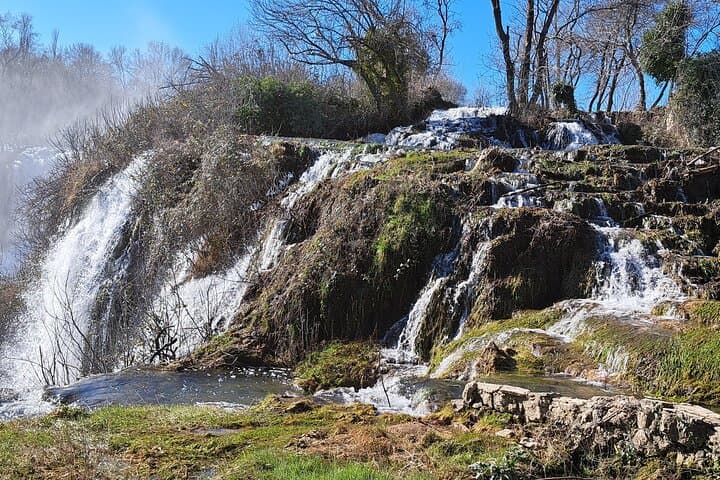
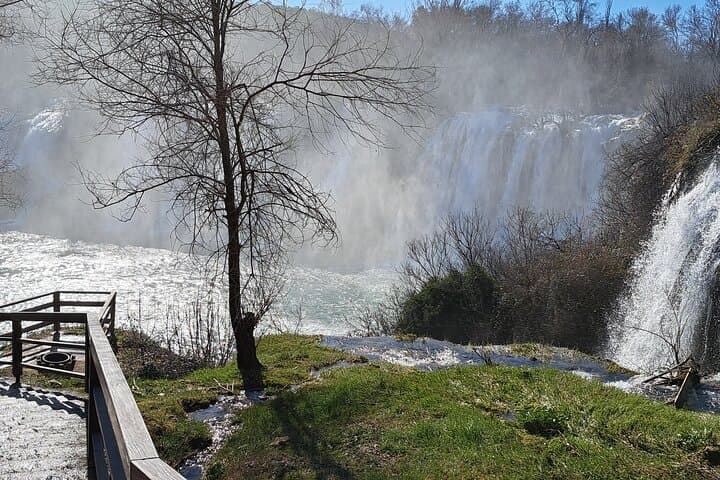
Mostar’s Stari Most—rebuilt in 2004 after wartime destruction—anchors a historic Ottoman quarter where narrow alleys, copper bazaars and the Old Bridge Museum map centuries of trade and conflict. Geologically the region is karst: limestone carved by underground rivers, which surfaces at cascades like Kravica. At Kravica, a semicircular tufa curtain spills into a shallow pool framed by plane trees, an accessible swim spot when flows are low.
Expect roughly 11 hours total including transfer: about 2.5–3 hours drive each way from Dubrovnik, a guided 3-hour Mostar stop and 1–1.5 hours at Kravica. Terrain is flat urban walking and short rough paths at the falls; elevation change is minimal but surfaces can be uneven and slippery near water.
Practical edge: carry your passport (border controls possible), swimwear and a towel, and local currency for small purchases. Time your visit for early departures to beat heat and crowds; bring sunscreen and a refillable bottle—the karst air is dry and demanding. Photography is easy, but respect diving spots and local vendors. The tour blends cultural walking with a nature dip—ideal for travelers who want historic context and a refreshing river finish in one long, well-paced day.
easy.
11 hours (approx.).
Suitable for most fitness levels; requires ability to walk on uneven urban and riverside terrain for short periods
Expect about 2.5–3 hours each way depending on traffic and border processing; the full tour runs roughly 11 hours.
Yes—Kravica is a designated swimming and picnic area when river conditions permit; bring swimwear and a towel.
Yes—Bosnia and Herzegovina is a separate country, so travelers must carry a valid passport or EU ID on the day of travel.
The itinerary lists guided stops and transport; any local site fees or optional activities are typically paid locally—confirm at booking.
Mostar’s Stari Most was originally built in the 16th century under Ottoman rule, destroyed in 1993 and reconstructed using traditional materials and techniques.
Kravica sits in a delicate karst system; visitors are asked to avoid leaving waste, use marked paths and minimize disturbance to riparian vegetation.
Ragusa Tours operates guided outdoor trips and adventures with an emphasis on safety, stewardship, and memorable experiences.
The day opens on a coastal road that peels away from Dubrovnik’s stone ramparts and pushes inland toward emerald karst rivers. By midmorning the minarets of Mostar appear above red roofs; the Neretva cuts the valley in a bright, cold ribbon daring you to cross.
The day opens on a coastal road that peels away from Dubrovnik’s stone ramparts and pushes inland toward emerald karst rivers. By midmorning the minarets of Mostar appear above red roofs; the Neretva cuts the valley in a bright, cold ribbon daring you to cross.
Mostar’s Stari Most—rebuilt in 2004 after wartime destruction—anchors a historic Ottoman quarter where narrow alleys, copper bazaars and the Old Bridge Museum map centuries of trade and conflict. Geologically the region is karst: limestone carved by underground rivers, which surfaces at cascades like Kravica. At Kravica, a semicircular tufa curtain spills into a shallow pool framed by plane trees, an accessible swim spot when flows are low.
Expect roughly 11 hours total including transfer: about 2.5–3 hours drive each way from Dubrovnik, a guided 3-hour Mostar stop and 1–1.5 hours at Kravica. Terrain is flat urban walking and short rough paths at the falls; elevation change is minimal but surfaces can be uneven and slippery near water.
Practical edge: carry your passport (border controls possible), swimwear and a towel, and local currency for small purchases. Time your visit for early departures to beat heat and crowds; bring sunscreen and a refillable bottle—the karst air is dry and demanding. Photography is easy, but respect diving spots and local vendors. The tour blends cultural walking with a nature dip—ideal for travelers who want historic context and a refreshing river finish in one long, well-paced day.