
Mostar and Blagaj Tekke Photo Tour from Split: Stari Most, Buna Spring & Imotski Blue Lake Day Trip
A full-day photography tour from Split that combines the restored Stari Most in Mostar, the spring-fed Blagaj Tekke and the dramatic Blue Lake sinkhole at Imotski. Expect karst landscapes, Ottoman architecture and long-exposure opportunities over a 10–12 hour day.
An Adventure In Split.
A full-day photography tour from Split that combines the restored Stari Most in Mostar, the spring-fed Blagaj Tekke and the dramatic Blue Lake sinkhole at Imotski. Expect karst landscapes, Ottoman architecture and long-exposure opportunities over a 10–12 hour day.
Read the full experience
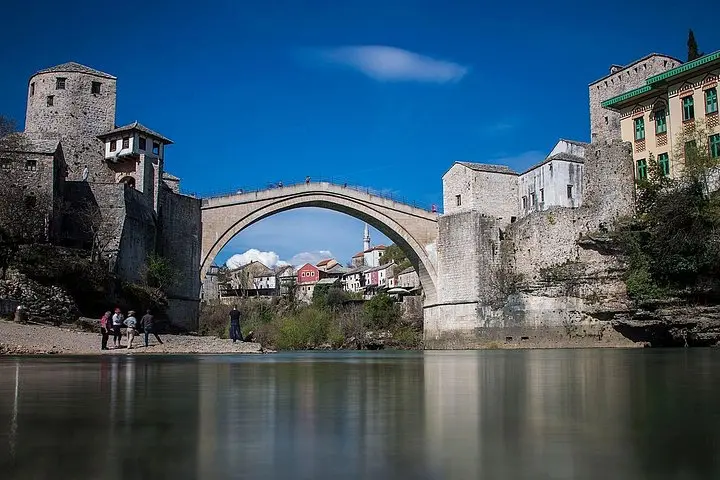
You arrive before the crowd, engine quieting on the highway as the Neretva valley cuts a cool, turquoise throat through dry hills. From Split the road bends past karst plateaus and the sinkhole lake above Imotski; by midday you’re photographing the single-arched silhouette of Stari Most reflected in an eagerness of river light.
You arrive before the crowd, engine quieting on the highway as the Neretva valley cuts a cool, turquoise throat through dry hills. From Split the road bends past karst plateaus and the sinkhole lake above Imotski; by midday you’re photographing the single-arched silhouette of Stari Most reflected in an eagerness of river light.
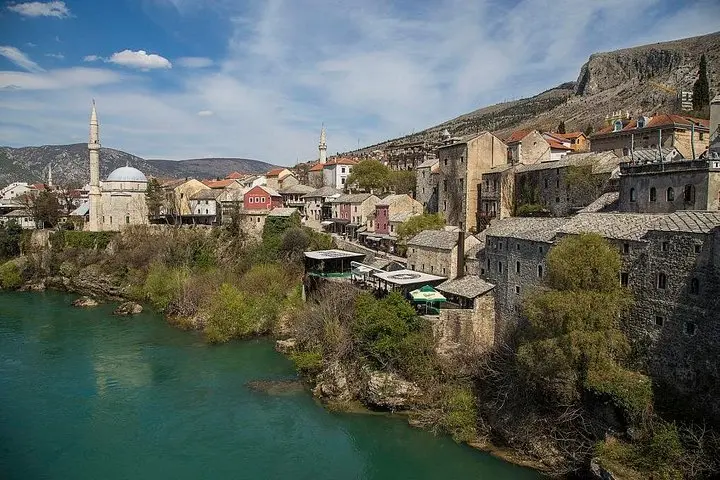
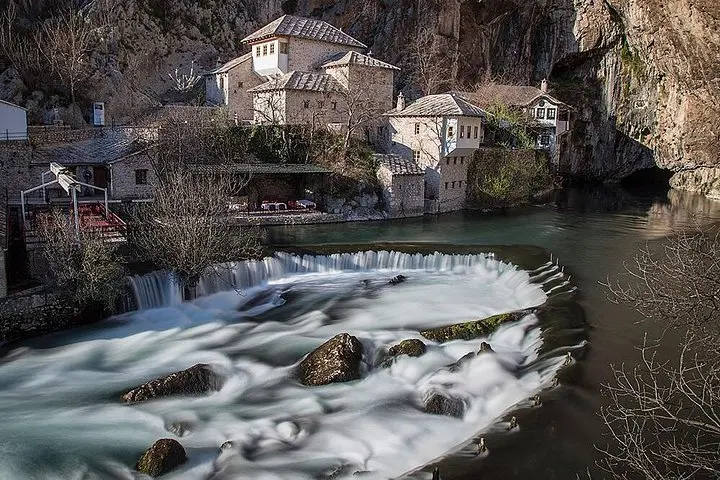
Mostar’s Old Bridge—rebuilt after wartime collapse—anchors four centuries of Ottoman urban design where stone stairs meet riverside bazaars. Downstream, Počitelj unfurls along a sun-baked slope with a surviving tower and mosque that recall medieval trade routes. At Blagaj Tekke the Buna springs from a cliff face, the tekke’s carved balconies leaning over rushing water that’s been a spiritual site since the 16th century and a favorite for long-exposure photographers.
Geologically this region is karst: limestone carved into sinkholes, springs and sheer cliffs that concentrate dramatic light for images. Culturally, you’ll pass Ottoman architecture, Austro-Hungarian traces and resilient local traditions—Mostar’s diving ritual dates back centuries and was revived after restoration of the bridge.
Practical edge: expect a long, guided day (10–12 hours) with short walks on uneven cobbles and viewpoints requiring steps. Bring a mid-range zoom for portraits and a wide-angle for bridges, a tripod for low-light and long exposures at Blagaj, comfortable walking shoes, water and sun protection. Have your passport ready for border protocols and plan for traffic in peak season. Timing your visit for morning or late afternoon light pays off—this route rewards patience and composition as much as it does stamina.
Frequently asked questions
Yes—this day trip crosses the Croatian–Bosnian border, so a current valid passport is required for all participants.
Walking is light to moderate: short walks and stair-climbs in historic towns, uneven cobbles and scenic viewpoints; no long hikes are required.
The tour description lists admissions as not applicable; typical sites like the bridge and Blagaj spring are public, but any optional museum fees are usually extra.
A professional photographer guide leads the tour but you should bring your own camera gear; guides advise on composition and settings rather than supplying equipment.
About This Experience
Croatia Photo Tour operates guided outdoor trips and adventures with an emphasis on safety, stewardship, and memorable experiences.
Adventure tips
Recommended gear
- Mirrorless or DSLR with zoom (24-70mm): Versatile focal range for portraits, architecture and mid-distance landscape shots.
- Compact tripod: Necessary for long exposures at Blagaj and low-light shooting under bridges and in nishted streets.
- Comfortable walking shoes: Cobblestones and short uphill walks demand stable, cushioned footwear.
- Portable water bottle and sun protection: Karst plateaus can be hot; hydration and sun protection make the long day comfortable.
Photos of the experience
Related adventures & guides
Read the full experience
You arrive before the crowd, engine quieting on the highway as the Neretva valley cuts a cool, turquoise throat through dry hills. From Split the road bends past karst plateaus and the sinkhole lake above Imotski; by midday you’re photographing the single-arched silhouette of Stari Most reflected in an eagerness of river light.
You arrive before the crowd, engine quieting on the highway as the Neretva valley cuts a cool, turquoise throat through dry hills. From Split the road bends past karst plateaus and the sinkhole lake above Imotski; by midday you’re photographing the single-arched silhouette of Stari Most reflected in an eagerness of river light.
Mostar’s Old Bridge—rebuilt after wartime collapse—anchors four centuries of Ottoman urban design where stone stairs meet riverside bazaars. Downstream, Počitelj unfurls along a sun-baked slope with a surviving tower and mosque that recall medieval trade routes. At Blagaj Tekke the Buna springs from a cliff face, the tekke’s carved balconies leaning over rushing water that’s been a spiritual site since the 16th century and a favorite for long-exposure photographers.
Geologically this region is karst: limestone carved into sinkholes, springs and sheer cliffs that concentrate dramatic light for images. Culturally, you’ll pass Ottoman architecture, Austro-Hungarian traces and resilient local traditions—Mostar’s diving ritual dates back centuries and was revived after restoration of the bridge.
Practical edge: expect a long, guided day (10–12 hours) with short walks on uneven cobbles and viewpoints requiring steps. Bring a mid-range zoom for portraits and a wide-angle for bridges, a tripod for low-light and long exposures at Blagaj, comfortable walking shoes, water and sun protection. Have your passport ready for border protocols and plan for traffic in peak season. Timing your visit for morning or late afternoon light pays off—this route rewards patience and composition as much as it does stamina.
Make a day of it nearby.
Verified experiences and guided adventures in the surrounding area.