
Mosi Oa Tunya Game Drive & Rhino Walk — Livingstone Wildlife Safari
Drive across riverine savanna at dawn, then step out with a ranger to meet rhinos on a guided walk. This combined game drive and Rhino Walk at Mosi Oa Tunya National Park blends vehicle viewing with up-close conservation learning.
An Adventure In Livingstone.
Drive across riverine savanna at dawn, then step out with a ranger to meet rhinos on a guided walk. This combined game drive and Rhino Walk at Mosi Oa Tunya National Park blends vehicle viewing with up-close conservation learning.
Read the full experience
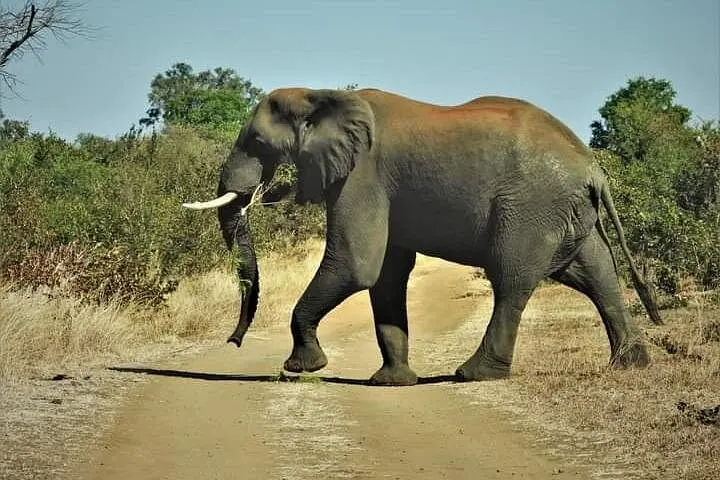
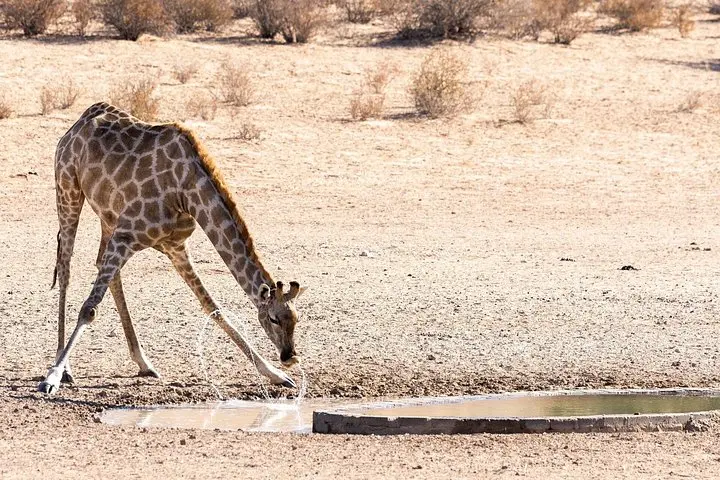
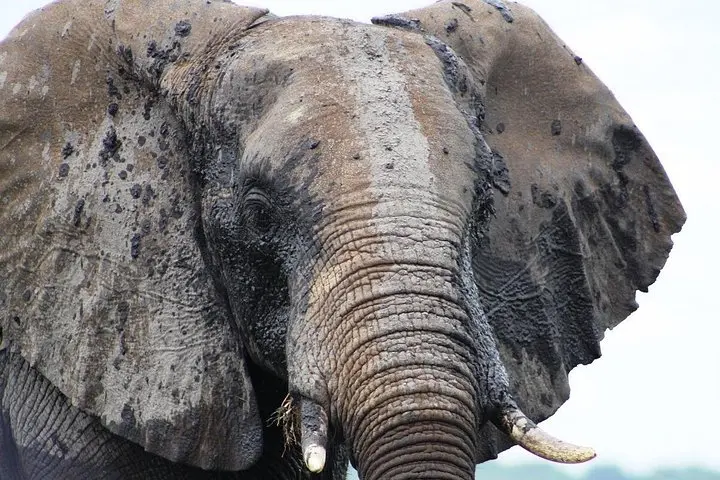
Dawn lifts a cool ribbon of mist off the Zambezi and the park opens like a page: wide savanna, tall fever trees, and the distant roar that gave the place its name. On a morning game drive through Mosi Oa Tunya National Park guides steer a slow arc across game lanes where elephants browse and giraffes silhouette against an open sky. Later, the Rhino Walk shifts pace — boots on compacted earth, careful voices, and a ranger pointing out the subtle signs of a species fought back from the brink.
Dawn lifts a cool ribbon of mist off the Zambezi and the park opens like a page: wide savanna, tall fever trees, and the distant roar that gave the place its name. On a morning game drive through Mosi Oa Tunya National Park guides steer a slow arc across game lanes where elephants browse and giraffes silhouette against an open sky. Later, the Rhino Walk shifts pace — boots on compacted earth, careful voices, and a ranger pointing out the subtle signs of a species fought back from the brink.
The park borrows its name from the Lozi phrase “Mosi Oa Tunya” — “The Smoke That Thunders” — a reminder that Victoria Falls shapes the local history, ecology, and tourism. Geologically, the park sits on Zambezi floodplain and sandstone outcrops, with riverine strips that pull concentration of game during the dry months. Culturally, the Livingstone area blends colonial exploration stories with longstanding Lozi and Tonga connections to the river and land.
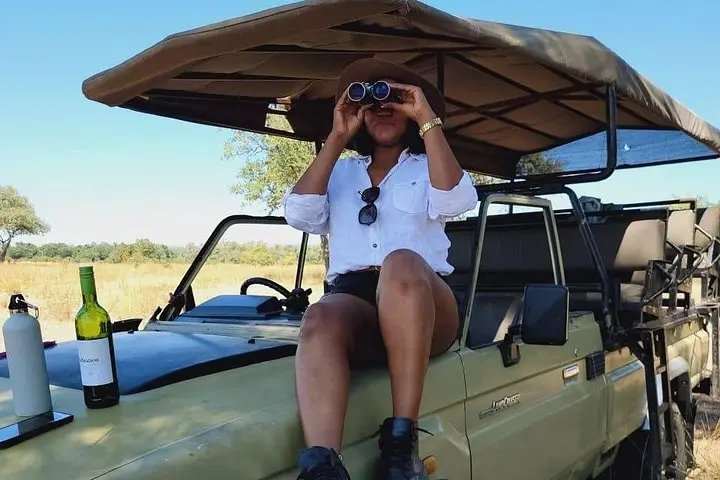
Practical guidance: drives are typically three hours, suitable for most fitness levels, and combine vehicle viewing with short guided walks. The dry season (May–Oct) offers the best game visibility; the falls themselves surge during the rains (Nov–Apr). Bring sun protection, a refillable water bottle, and binoculars; keep movements slow during the Rhino Walk and follow ranger instructions for safety. Transport and entry are usually included; tours commonly provide snacks and bottled water. Expect a respectful, conservation-focused experience that brings you close to flagship African species while supporting anti-poaching and local stewardship efforts.
Frequently asked questions
Rangers keep visitors at a safe distance; the walk is designed to allow observation of behavior while minimizing disturbance, typically several meters from the animals.
Policies vary; the activity is family-friendly but children must be supervised and may be required to stay on a parent’s lap in vehicle transfers — check age restrictions when booking.
Most combined tours include park admission and transport from Livingstone; confirm inclusion when you book to avoid on-site fees.
The dry season (May–October) concentrates animals near water sources and makes for the clearest game-viewing conditions.
About This Experience
Henric Tours and Safaris operates guided outdoor trips and adventures with an emphasis on safety, stewardship, and memorable experiences.
Adventure tips
Recommended gear
- Binoculars: Helps you spot distant animals and observe rhino behaviors without approaching too closely.
- Sturdy walking shoes: Closed-toe shoes with good traction are useful for short, sometimes uneven stretches during the Rhino Walk.
- Sun hat and sunscreen: Protects against strong equatorial sun during open-vehicle drives and exposed trails.
- Refillable water bottle: Hydration is important in warm conditions; many tours provide bottled water but a refillable bottle reduces waste.
Photos of the experience
Related adventures & guides
Read the full experience
Dawn lifts a cool ribbon of mist off the Zambezi and the park opens like a page: wide savanna, tall fever trees, and the distant roar that gave the place its name. On a morning game drive through Mosi Oa Tunya National Park guides steer a slow arc across game lanes where elephants browse and giraffes silhouette against an open sky. Later, the Rhino Walk shifts pace — boots on compacted earth, careful voices, and a ranger pointing out the subtle signs of a species fought back from the brink.
Dawn lifts a cool ribbon of mist off the Zambezi and the park opens like a page: wide savanna, tall fever trees, and the distant roar that gave the place its name. On a morning game drive through Mosi Oa Tunya National Park guides steer a slow arc across game lanes where elephants browse and giraffes silhouette against an open sky. Later, the Rhino Walk shifts pace — boots on compacted earth, careful voices, and a ranger pointing out the subtle signs of a species fought back from the brink.
The park borrows its name from the Lozi phrase “Mosi Oa Tunya” — “The Smoke That Thunders” — a reminder that Victoria Falls shapes the local history, ecology, and tourism. Geologically, the park sits on Zambezi floodplain and sandstone outcrops, with riverine strips that pull concentration of game during the dry months. Culturally, the Livingstone area blends colonial exploration stories with longstanding Lozi and Tonga connections to the river and land.
Practical guidance: drives are typically three hours, suitable for most fitness levels, and combine vehicle viewing with short guided walks. The dry season (May–Oct) offers the best game visibility; the falls themselves surge during the rains (Nov–Apr). Bring sun protection, a refillable water bottle, and binoculars; keep movements slow during the Rhino Walk and follow ranger instructions for safety. Transport and entry are usually included; tours commonly provide snacks and bottled water. Expect a respectful, conservation-focused experience that brings you close to flagship African species while supporting anti-poaching and local stewardship efforts.
Make a day of it nearby.
Verified experiences and guided adventures in the surrounding area.