THE ADVENTURE COLLECTIVE® · Independent discovery and booking for outdoor travel

A full-day private hike from Moshi to Materuni Waterfalls combines an 80 m glacier-fed plunge with a walk through Chagga coffee farms and rainforest. Expect steep, muddy sections, a coffee demonstration, and views of Mount Kilimanjaro on clear days.
A full-day private hike from Moshi to Materuni Waterfalls combines an 80 m glacier-fed plunge with a walk through Chagga coffee farms and rainforest. Expect steep, muddy sections, a coffee demonstration, and views of Mount Kilimanjaro on clear days.
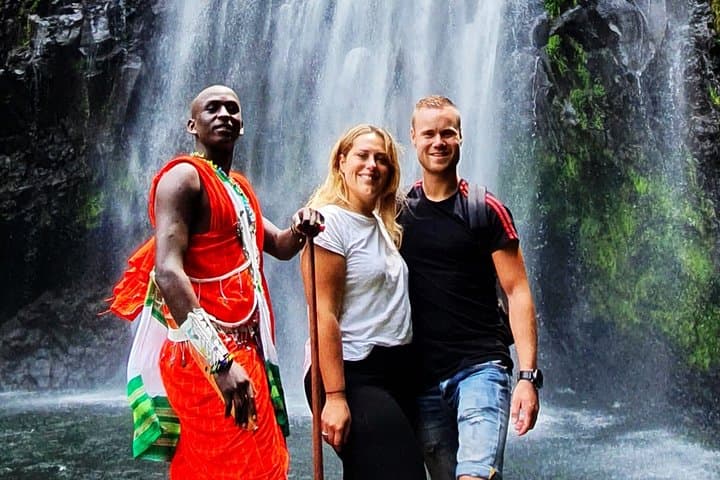
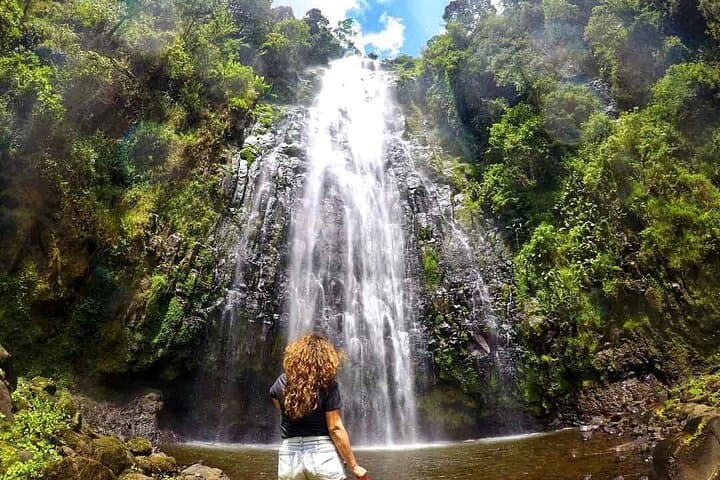
Early morning mist lifts off the ridges around Mount Kilimanjaro as guides collect visitors from Moshi and drive the short road up to Materuni village. The trail drops from roughly 2,400 m through plaited coffee terraces and avocado shambas into a slice of tropical rainforest where the air smells of earth and wet leaves. After a steady descent, the waterfall announces itself—an 80 m curtain of glacier-fed water crashing into a green pool below, cool spray daring you to step closer.
Verified experiences and guided adventures in the surrounding area.
Operated by Oserok Trips · Materuni, Kilimanjaro Region
Early morning mist lifts off the ridges around Mount Kilimanjaro as guides collect visitors from Moshi and drive the short road up to Materuni village. The trail drops from roughly 2,400 m through plaited coffee terraces and avocado shambas into a slice of tropical rainforest where the air smells of earth and wet leaves. After a steady descent, the waterfall announces itself—an 80 m curtain of glacier-fed water crashing into a green pool below, cool spray daring you to step closer.
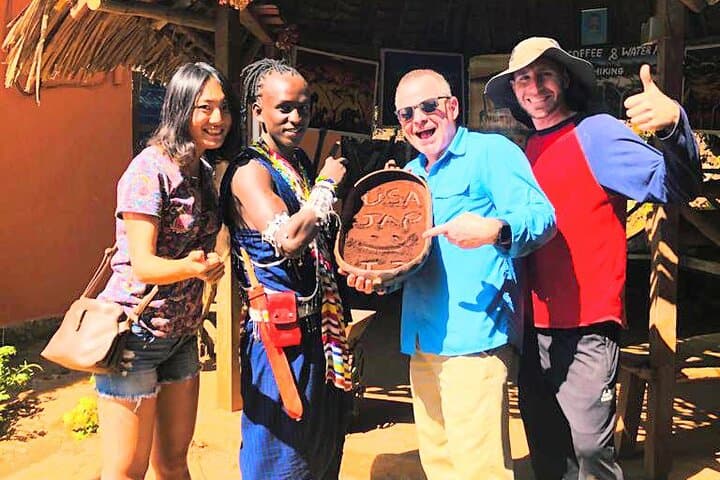
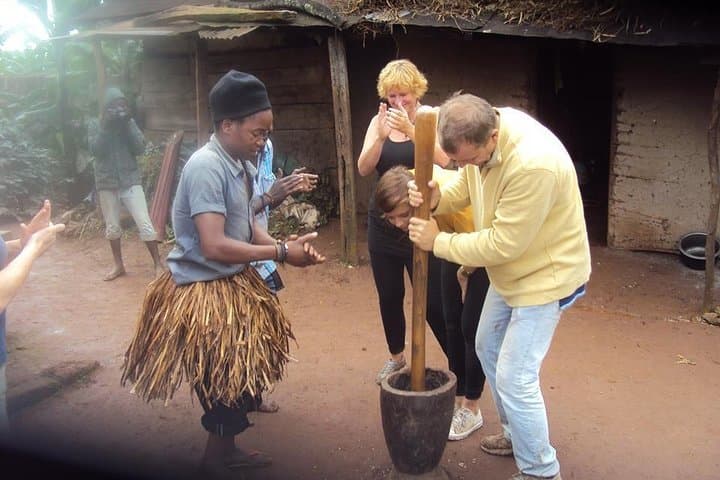
Materuni sits on Kilimanjaro’s southern slopes within Chagga country; village agriculture and terraced plots reflect centuries of Chagga farming practice and soil stewardship. Geologically, the falls are fed by high-elevation runoff from the mountain’s glaciers and volcanic slopes, carving a narrow ravine through volcanic soils and riverine rock. Culturally, the hike passes family farms and local coffee processing huts—many tours pair the walk with a coffee demonstration that shows how beans are hand-picked, sun-dried, and brewed.
Practical guidance: this is a full-day, private excursion (approx. 6–8 hours door-to-door). Expect uneven, often muddy trail undergrowth and some steep steps; good ankle-supporting boots and a light rain jacket are recommended. Bring at least 1–1.5 liters of water, sun protection, and small change for local purchases or tips. Timing matters—start early for clearer views of Kibo and to avoid peak afternoon showers common in the rainy seasons.
The route rewards steady effort with forest soundscapes, close-up views of local agriculture, and the dramatic waterfall plunge—an accessible, culturally rich day hike for those short on time but hungry for Kilimanjaro’s immediate wildness.
moderate.
6–8 hours.
Moderate fitness—able to handle sustained descents/ascents, uneven ground, and some altitude change
The active hiking portion varies but the full private tour runs about 6–8 hours door-to-door, including transfer, village stops, coffee demo, and time at the falls.
Yes—people with basic fitness can complete it, though there are some steep and slippery sections where sure footing is required.
On clear days you can see Kibo from viewpoints near Materuni; visibility depends on weather and time of day.
Materuni sits around 2,400 m—most visitors acclimatize in Moshi (900 m) without issue, but those sensitive to altitude should monitor symptoms and move slowly.
Materuni is a Chagga village on Kilimanjaro’s slopes; the Chagga have farmed these volcanic soils for centuries using terracing and irrigation methods unique to the region.
Tours support local livelihoods but stick to paths, avoid littering, and use local guides to minimize environmental impact and respect community land.
Oserok Trips operates guided outdoor trips and adventures with an emphasis on safety, stewardship, and memorable experiences.
Early morning mist lifts off the ridges around Mount Kilimanjaro as guides collect visitors from Moshi and drive the short road up to Materuni village. The trail drops from roughly 2,400 m through plaited coffee terraces and avocado shambas into a slice of tropical rainforest where the air smells of earth and wet leaves. After a steady descent, the waterfall announces itself—an 80 m curtain of glacier-fed water crashing into a green pool below, cool spray daring you to step closer.
Early morning mist lifts off the ridges around Mount Kilimanjaro as guides collect visitors from Moshi and drive the short road up to Materuni village. The trail drops from roughly 2,400 m through plaited coffee terraces and avocado shambas into a slice of tropical rainforest where the air smells of earth and wet leaves. After a steady descent, the waterfall announces itself—an 80 m curtain of glacier-fed water crashing into a green pool below, cool spray daring you to step closer.
Materuni sits on Kilimanjaro’s southern slopes within Chagga country; village agriculture and terraced plots reflect centuries of Chagga farming practice and soil stewardship. Geologically, the falls are fed by high-elevation runoff from the mountain’s glaciers and volcanic slopes, carving a narrow ravine through volcanic soils and riverine rock. Culturally, the hike passes family farms and local coffee processing huts—many tours pair the walk with a coffee demonstration that shows how beans are hand-picked, sun-dried, and brewed.
Practical guidance: this is a full-day, private excursion (approx. 6–8 hours door-to-door). Expect uneven, often muddy trail undergrowth and some steep steps; good ankle-supporting boots and a light rain jacket are recommended. Bring at least 1–1.5 liters of water, sun protection, and small change for local purchases or tips. Timing matters—start early for clearer views of Kibo and to avoid peak afternoon showers common in the rainy seasons.
The route rewards steady effort with forest soundscapes, close-up views of local agriculture, and the dramatic waterfall plunge—an accessible, culturally rich day hike for those short on time but hungry for Kilimanjaro’s immediate wildness.