THE ADVENTURE COLLECTIVE® · Independent discovery and booking for outdoor travel

Board a small boat at Folly Beach and walk the shores of Morris Island with a local naturalist. Learn to spot shark teeth and other marine fossils while getting context on the island’s geology, wildlife, and maritime history.
Board a small boat at Folly Beach and walk the shores of Morris Island with a local naturalist. Learn to spot shark teeth and other marine fossils while getting context on the island’s geology, wildlife, and maritime history.
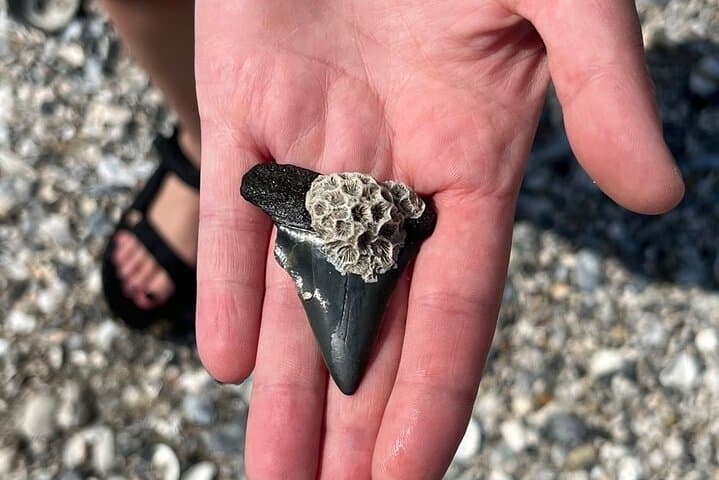
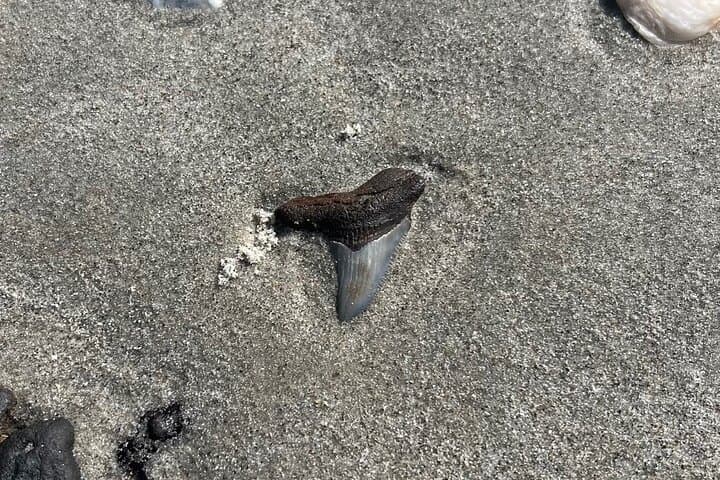
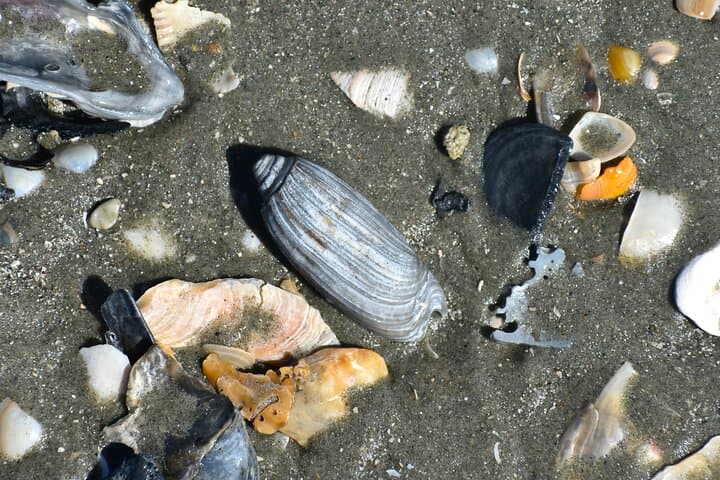
The boat cuts a quiet channel at first light and the river loosens the day’s heat as it pushes toward the sea. Onboard, a local naturalist—born and raised in Charleston—points to the low silhouette of Morris Island Lighthouse as if introducing an old friend. The engine sighs; sand and surf take over. Onshore, the beach is a workbench: ridges of wave-polished shell, dark wet sand where shark teeth wink, and scatterings of fossilized bone worn smooth by tides. The guide kneels, passes you a small sifter, and the search begins.
Verified experiences and guided adventures in the surrounding area.
Operated by Lighthouse Creek Charters · Folly Beach, South Carolina
The boat cuts a quiet channel at first light and the river loosens the day’s heat as it pushes toward the sea. Onboard, a local naturalist—born and raised in Charleston—points to the low silhouette of Morris Island Lighthouse as if introducing an old friend. The engine sighs; sand and surf take over. Onshore, the beach is a workbench: ridges of wave-polished shell, dark wet sand where shark teeth wink, and scatterings of fossilized bone worn smooth by tides. The guide kneels, passes you a small sifter, and the search begins.
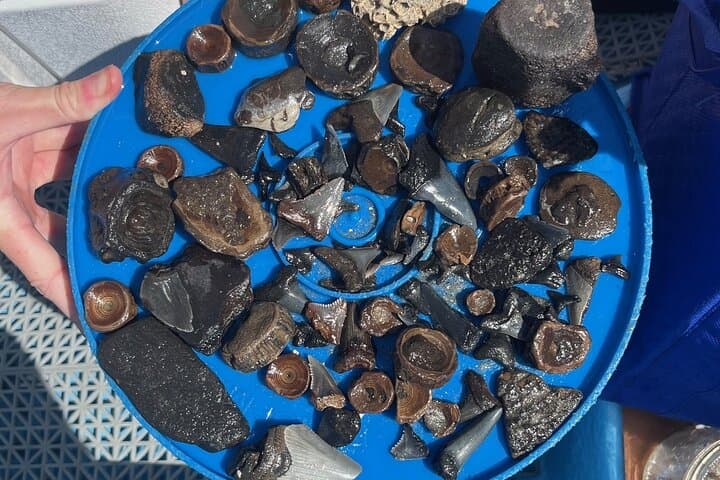
Morris Island and neighboring Folly Beach sit on the Atlantic Coastal Plain, where Pleistocene and older marine deposits surface under shifting sands. The lighthouse—completed in the late 19th century and long a marker for ships—anchors the human story here: fishing, wartime skirmishes nearby at Fort Wagner, and a coastal community that’s always reading tides. Fossils on the beach are local pages of geological time—shark teeth, vertebrae fragments and occasional marine shell casts—eroded out of ancient sediments and brought to the shoreline by storms and currents.
Culturally the trip feels very Charleston: the naturalist’s patter threading history, boat lore, and local names for birds and channels. Wildlife keeps you honest—Atlantic bottlenose dolphins often play at the bow, and shorebirds stalk the tidal edge, claiming their hours between incoming sets.
Practicalities: the trip runs about 4–5 hours, including a short boat transfer from the Folly River Boat Ramp (97 Center Street). Expect 1–3 miles of walking on soft sand with negligible elevation gain; the hardest work is steady footing and scanning the sand. The operator supplies basic safety gear and bottled water; bring sunscreen, a hat, and shoes that tolerate sand and salt. Small tools—hand trowel, sieve, or a dedicated fossil bag—help but aren’t required. The excursion is limited to six guests, so you get hands-on instruction in identifying and conserving finds.
Timing and tides matter—low tides expose more of the fossil-bearing zones, and mornings are cooler with softer light for photography. Respect wildlife closures: nesting shorebirds and dune vegetation are fragile; take only loose fossils and leave structures intact. If seasickness or mobility limitations are a concern, contact the guide before booking—this is a hands-on shoreline walk preceded by a short boat ride.
For travelers who want an instructive, tactile piece of Charleston’s coastline, the Morris Island fossil excursion delivers both the thrill of discovery and a clear view into the layered history beneath your feet.
moderate.
4–5 hours.
Moderate fitness required—comfortable walking on soft sand and getting on/off a small boat.
Meet at the Folly River Boat Ramp, 97 Center Street, Folly Beach; park only in short vehicle spots to avoid tickets.
Yes—participants may keep loose, non-protected fossils; please do not remove cultural artifacts or disturb nesting areas.
The boat ride is short and typically smooth in calm conditions; if you get seasick, take medication beforehand and notify the guide.
Children are allowed but not recommended under age 5 due to safety and physical demands; the guide can advise for older kids.
Access involves a boat transfer and walking on uneven sand, so this excursion is not wheelchair accessible without special arrangements—contact the operator in advance.
Trips are canceled for unsafe weather or rough seas; cancel at least 24 hours for a full refund per the operator’s policy.
Morris Island sits off Charleston and is visible from the site of Civil War action at nearby Fort Wagner; its lighthouse dates to the late 1800s and marks the maritime history of the inlet.
Tidal erosion exposes fossils but also threatens nesting habitat; practice Leave No Trace, avoid dunes, and report sensitive wildlife sightings to help protect the coastline.
Lighthouse Creek Charters operates guided outdoor trips and adventures with an emphasis on safety, stewardship, and memorable experiences.
The boat cuts a quiet channel at first light and the river loosens the day’s heat as it pushes toward the sea. Onboard, a local naturalist—born and raised in Charleston—points to the low silhouette of Morris Island Lighthouse as if introducing an old friend. The engine sighs; sand and surf take over. Onshore, the beach is a workbench: ridges of wave-polished shell, dark wet sand where shark teeth wink, and scatterings of fossilized bone worn smooth by tides. The guide kneels, passes you a small sifter, and the search begins.
The boat cuts a quiet channel at first light and the river loosens the day’s heat as it pushes toward the sea. Onboard, a local naturalist—born and raised in Charleston—points to the low silhouette of Morris Island Lighthouse as if introducing an old friend. The engine sighs; sand and surf take over. Onshore, the beach is a workbench: ridges of wave-polished shell, dark wet sand where shark teeth wink, and scatterings of fossilized bone worn smooth by tides. The guide kneels, passes you a small sifter, and the search begins.
Morris Island and neighboring Folly Beach sit on the Atlantic Coastal Plain, where Pleistocene and older marine deposits surface under shifting sands. The lighthouse—completed in the late 19th century and long a marker for ships—anchors the human story here: fishing, wartime skirmishes nearby at Fort Wagner, and a coastal community that’s always reading tides. Fossils on the beach are local pages of geological time—shark teeth, vertebrae fragments and occasional marine shell casts—eroded out of ancient sediments and brought to the shoreline by storms and currents.
Culturally the trip feels very Charleston: the naturalist’s patter threading history, boat lore, and local names for birds and channels. Wildlife keeps you honest—Atlantic bottlenose dolphins often play at the bow, and shorebirds stalk the tidal edge, claiming their hours between incoming sets.
Practicalities: the trip runs about 4–5 hours, including a short boat transfer from the Folly River Boat Ramp (97 Center Street). Expect 1–3 miles of walking on soft sand with negligible elevation gain; the hardest work is steady footing and scanning the sand. The operator supplies basic safety gear and bottled water; bring sunscreen, a hat, and shoes that tolerate sand and salt. Small tools—hand trowel, sieve, or a dedicated fossil bag—help but aren’t required. The excursion is limited to six guests, so you get hands-on instruction in identifying and conserving finds.
Timing and tides matter—low tides expose more of the fossil-bearing zones, and mornings are cooler with softer light for photography. Respect wildlife closures: nesting shorebirds and dune vegetation are fragile; take only loose fossils and leave structures intact. If seasickness or mobility limitations are a concern, contact the guide before booking—this is a hands-on shoreline walk preceded by a short boat ride.
For travelers who want an instructive, tactile piece of Charleston’s coastline, the Morris Island fossil excursion delivers both the thrill of discovery and a clear view into the layered history beneath your feet.