THE ADVENTURE COLLECTIVE® · Independent discovery and booking for outdoor travel

A 12‑day loop from Casablanca through imperial cities, High Atlas foothills, and the Sahara. Expect medina mazes, Roman ruins, camel treks on Erg Chebbi and guided village hikes—balanced with comfortable lodging and local meals.
A 12‑day loop from Casablanca through imperial cities, High Atlas foothills, and the Sahara. Expect medina mazes, Roman ruins, camel treks on Erg Chebbi and guided village hikes—balanced with comfortable lodging and local meals.
You arrive in Casablanca to Atlantic wind and the glint of tile and cedar—then the road opens. Over 12 days the landscape keeps changing like chapters: coastal boulevards and French‑era squares give way to blue‑washed alleys of Chefchaouen, Roman stone at Volubilis, and the serrated silhouette of the High Atlas.
Verified experiences and guided adventures in the surrounding area.
Operated by Desertbrise Travel · Casablanca, Casablanca-Settat
You arrive in Casablanca to Atlantic wind and the glint of tile and cedar—then the road opens. Over 12 days the landscape keeps changing like chapters: coastal boulevards and French‑era squares give way to blue‑washed alleys of Chefchaouen, Roman stone at Volubilis, and the serrated silhouette of the High Atlas.
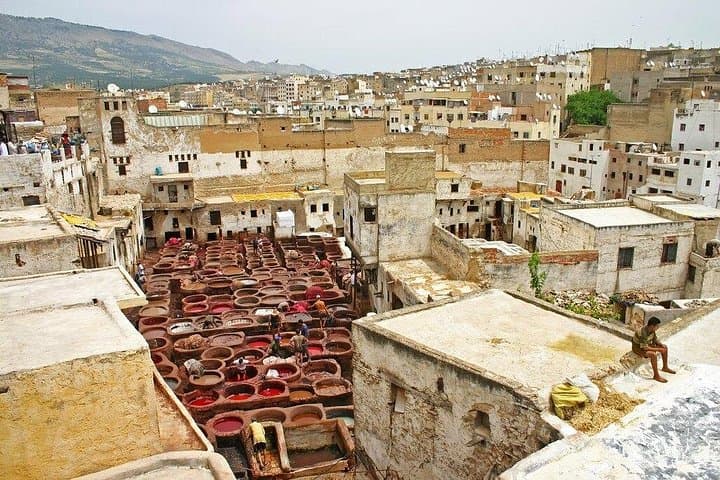
History presses against every stop. Fes preserves medieval workshops and tanneries; Meknes shows off its grand Bab al‑Mansour; Aït Benhaddou perches on the old trans‑Saharan highway that once moved salt and gold. Geology explains the route: the Rif and Middle Atlas are folded, forested plateaus, while the southern plains fracture into oases and the wind‑sculpted Erg Chebbi dunes where sand climbs hundreds of feet.
Culture is immediate—market calls, Berber hospitality, and roadside cooperatives making argan oil or rose water. The desert will test your senses: silence that demands attention, dunes that push you upward with each step, and a night sky that refuses to hide its stars.
Practical edge: pace your water and salt intake across long drives and desert days, use grippy boots for Atlas mule tracks and loose sand shoes for dunes, and choose layered clothing for broad temperature swings between dawn and night. Expect mostly easy‑moderate walking with short guided hikes; camel treks replace roads in the dunes. Book peak‑season travel (spring/fall) for cooler trekking and calmer bazaars. Keep sunscreen, a brimmed hat, and a small daypack within reach—Morocco rewards those who move deliberately and with curiosity.
moderate.
12 days.
Suitable for travelers in reasonable shape who can manage several hours of walking on multiple days, plus long vehicle transfers.
Visa requirements vary by nationality—check Morocco's current entry rules before booking and ensure your passport has adequate validity.
Most walks are short to moderate on mule tracks and village trails; only basic fitness is required and guides adjust pace for groups.
Nights include stays in traditional camps or Bedouin‑style tents—many provide mattresses and private toilet/shower options depending on the package.
Avoid tap water; use bottled or treated water for drinking and brushing teeth, especially in rural and desert areas.
The route traces Roman Volubilis and imperial capitals that rose on caravan routes; Aït Benhaddou stands where trans‑Saharan trade converged with mountain passes.
Water is scarce—prioritize low consumption, avoid single‑use plastics, and stick to established paths to protect fragile desert soils and oases.
Desertbrise Travel operates guided outdoor trips and adventures with an emphasis on safety, stewardship, and memorable experiences.
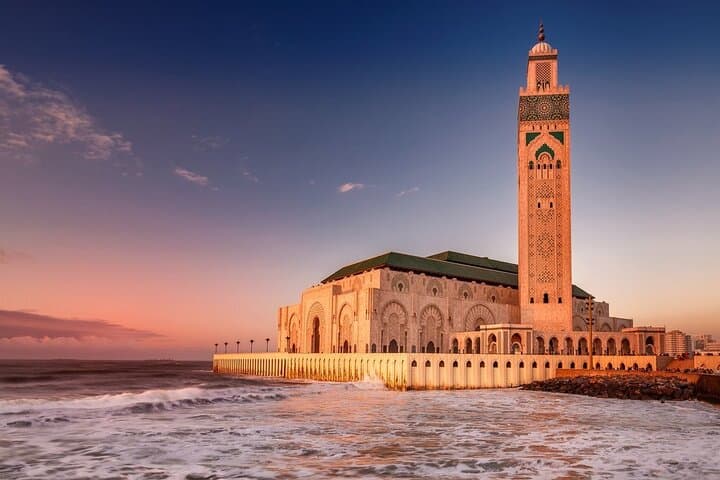
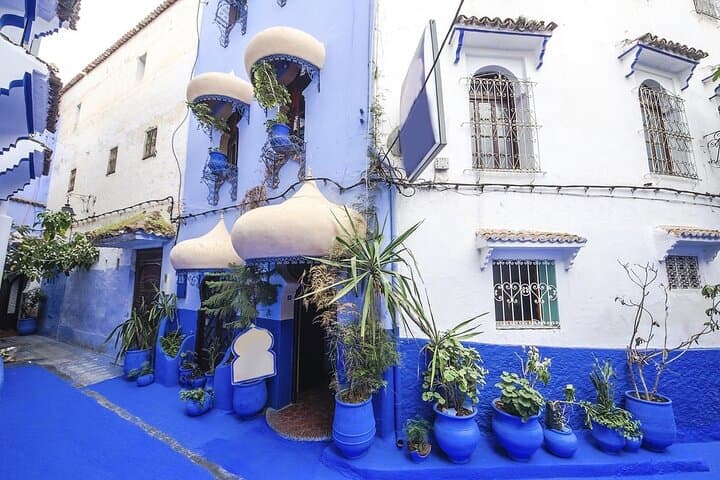
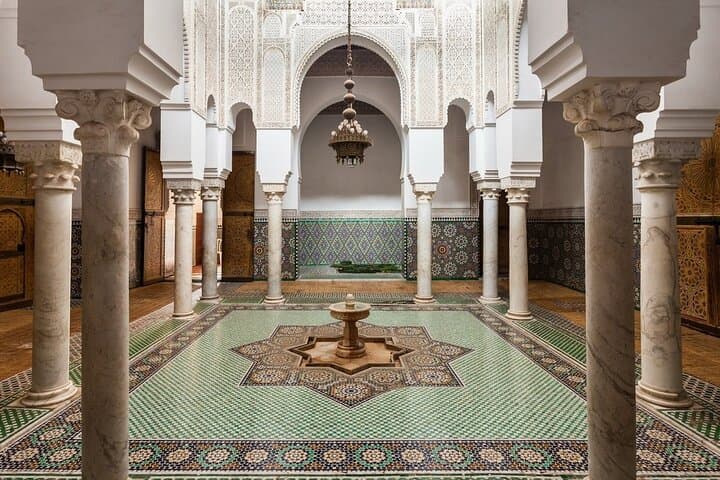
You arrive in Casablanca to Atlantic wind and the glint of tile and cedar—then the road opens. Over 12 days the landscape keeps changing like chapters: coastal boulevards and French‑era squares give way to blue‑washed alleys of Chefchaouen, Roman stone at Volubilis, and the serrated silhouette of the High Atlas.
You arrive in Casablanca to Atlantic wind and the glint of tile and cedar—then the road opens. Over 12 days the landscape keeps changing like chapters: coastal boulevards and French‑era squares give way to blue‑washed alleys of Chefchaouen, Roman stone at Volubilis, and the serrated silhouette of the High Atlas.
History presses against every stop. Fes preserves medieval workshops and tanneries; Meknes shows off its grand Bab al‑Mansour; Aït Benhaddou perches on the old trans‑Saharan highway that once moved salt and gold. Geology explains the route: the Rif and Middle Atlas are folded, forested plateaus, while the southern plains fracture into oases and the wind‑sculpted Erg Chebbi dunes where sand climbs hundreds of feet.
Culture is immediate—market calls, Berber hospitality, and roadside cooperatives making argan oil or rose water. The desert will test your senses: silence that demands attention, dunes that push you upward with each step, and a night sky that refuses to hide its stars.
Practical edge: pace your water and salt intake across long drives and desert days, use grippy boots for Atlas mule tracks and loose sand shoes for dunes, and choose layered clothing for broad temperature swings between dawn and night. Expect mostly easy‑moderate walking with short guided hikes; camel treks replace roads in the dunes. Book peak‑season travel (spring/fall) for cooler trekking and calmer bazaars. Keep sunscreen, a brimmed hat, and a small daypack within reach—Morocco rewards those who move deliberately and with curiosity.