THE ADVENTURE COLLECTIVE® · Independent discovery and booking for outdoor travel

A ten-day loop from Casablanca to Marrakech that pairs imperial cities with the Sahara’s dunes. Expect medina walks, Atlas passes and a Bedouin-style night in Erg Chebbi.
A ten-day loop from Casablanca to Marrakech that pairs imperial cities with the Sahara’s dunes. Expect medina walks, Atlas passes and a Bedouin-style night in Erg Chebbi.
Morning light cuts across Casablanca's waterfront as the tour bus slides away from the Atlantic, and Morocco reveals itself in stages: coastal boulevards, blue-washed alleys, ochre kasbahs and an ocean of sand.
Verified experiences and guided adventures in the surrounding area.
Operated by View Morocco - DMC Adventure Travel Company · Marrakech, Marrakech-Safi
Morning light cuts across Casablanca's waterfront as the tour bus slides away from the Atlantic, and Morocco reveals itself in stages: coastal boulevards, blue-washed alleys, ochre kasbahs and an ocean of sand.
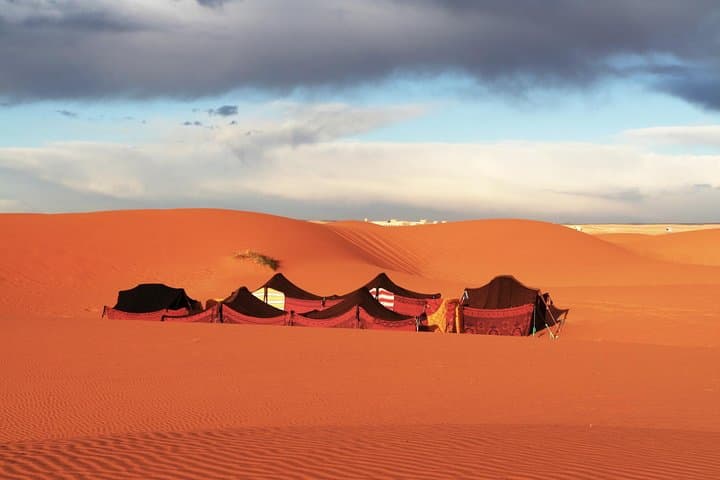
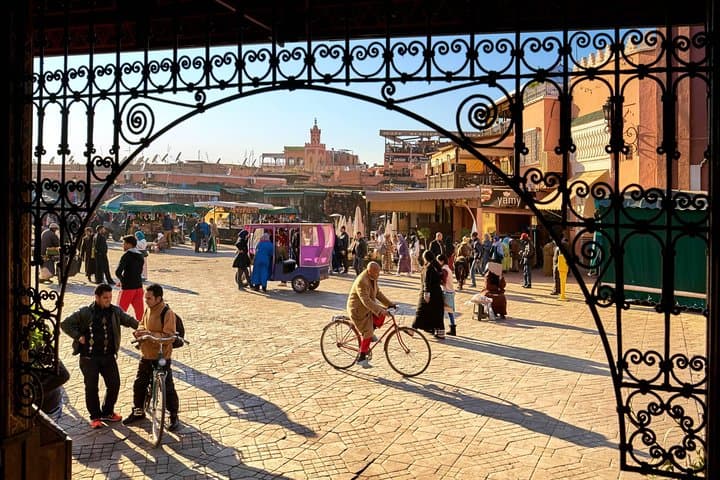
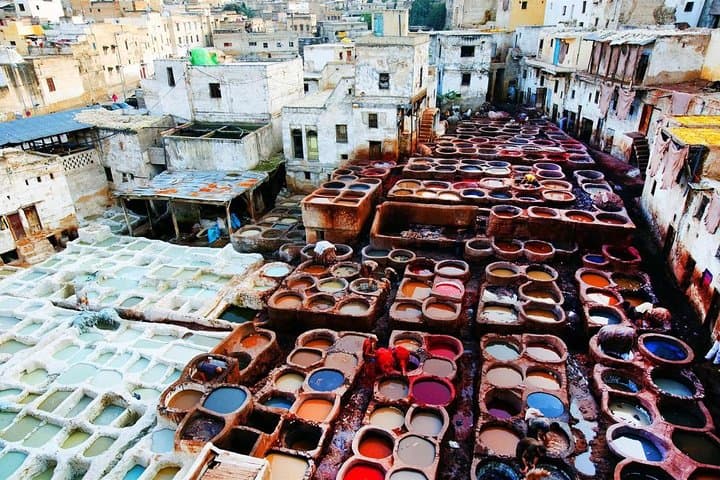
The ten-day route links Morocco’s imperial cities — Casablanca, Rabat, Meknes, Fes and Marrakech — with the Rif and High Atlas Mountains and a night under the dunes at Erg Chebbi. Roman mosaics at Volubilis show the reach of ancient empires; the fortified kasbahs of Aït Benhaddou speak to desert trade routes and later, cinema crews. Geology shifts quickly: the folded strata of the Atlas give way to wind-sculpted dunes and the alluvial oases of the Dades and Todra valleys. Local culture is city and caravan — craft workshops in Fes, Andalusian gardens in Rabat, and evening souks that turn food stalls and storytellers into a living marketplace.
Practically, expect long driving days broken by walking tours and short hikes — cobbled medinas demand steady shoes; desert nights require warm layers despite hot days. Hydration, sun protection and a compact daypack make each stop manageable. Guides handle logistics and many admissions; travelers should carry photocopies of documents and local currency for souks and tips. Those who want to slow down can swap a studio tour in Ouarzazate for longer hikes in the Atlas or extra time in Chefchaouen’s blue lanes. In short, the tour balances cinematic landscapes and cultural depth with straightforward logistics — a broad Morocco primer for first-time visitors and repeat travelers seeking breadth over speed.
moderate.
10 days.
Suitable for travelers who can handle several hours of walking over uneven surfaces and long vehicle transfers; not fitness-intensive.
Visa requirements depend on nationality—many countries get visa-free entry for short tourist stays; check Morocco’s consulate guidelines before travel.
Accommodation is a Bedouin-style tent with basic comforts; expect a mattress, blanket and shared or simple restroom facilities depending on the provider.
The itinerary lists wheelchair-accessible transport and generally easy activity levels, but some medina streets and desert approaches are uneven—discuss needs with the operator when booking.
Carry Moroccan dirhams for markets and tips; major cards work in larger hotels and some attractions, but cash is preferred in small towns and souks.
This route threads Roman Volubilis, medieval imperial capitals and centuries of trans-Saharan trade; Aït Benhaddou’s ksar is a UNESCO site linked to caravan routes and film history.
Travel in these regions impacts fragile desert and mountain ecosystems—stick to trails, avoid single-use plastics and support local guides and riads to help sustain communities.
View Morocco - DMC Adventure Travel Company operates guided outdoor trips and adventures with an emphasis on safety, stewardship, and memorable experiences.
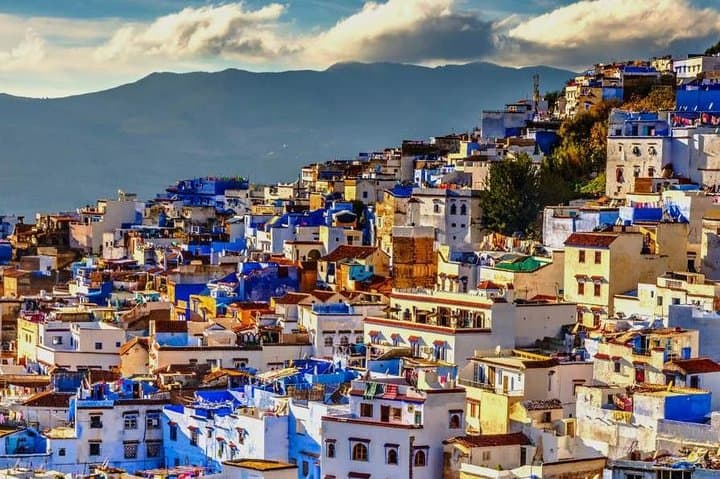
Morning light cuts across Casablanca's waterfront as the tour bus slides away from the Atlantic, and Morocco reveals itself in stages: coastal boulevards, blue-washed alleys, ochre kasbahs and an ocean of sand.
Morning light cuts across Casablanca's waterfront as the tour bus slides away from the Atlantic, and Morocco reveals itself in stages: coastal boulevards, blue-washed alleys, ochre kasbahs and an ocean of sand.
The ten-day route links Morocco’s imperial cities — Casablanca, Rabat, Meknes, Fes and Marrakech — with the Rif and High Atlas Mountains and a night under the dunes at Erg Chebbi. Roman mosaics at Volubilis show the reach of ancient empires; the fortified kasbahs of Aït Benhaddou speak to desert trade routes and later, cinema crews. Geology shifts quickly: the folded strata of the Atlas give way to wind-sculpted dunes and the alluvial oases of the Dades and Todra valleys. Local culture is city and caravan — craft workshops in Fes, Andalusian gardens in Rabat, and evening souks that turn food stalls and storytellers into a living marketplace.
Practically, expect long driving days broken by walking tours and short hikes — cobbled medinas demand steady shoes; desert nights require warm layers despite hot days. Hydration, sun protection and a compact daypack make each stop manageable. Guides handle logistics and many admissions; travelers should carry photocopies of documents and local currency for souks and tips. Those who want to slow down can swap a studio tour in Ouarzazate for longer hikes in the Atlas or extra time in Chefchaouen’s blue lanes. In short, the tour balances cinematic landscapes and cultural depth with straightforward logistics — a broad Morocco primer for first-time visitors and repeat travelers seeking breadth over speed.