THE ADVENTURE COLLECTIVE® · Independent discovery and booking for outdoor travel

Seventeen days from Casablanca carry you through imperial cities, cedar forests, the High Atlas and the shifting dunes of Erg Chebbi. This itinerary mixes cultural depth with active, landscape-driven moments—from medina walks to a desert bivouac at sunset.
Seventeen days from Casablanca carry you through imperial cities, cedar forests, the High Atlas and the shifting dunes of Erg Chebbi. This itinerary mixes cultural depth with active, landscape-driven moments—from medina walks to a desert bivouac at sunset.
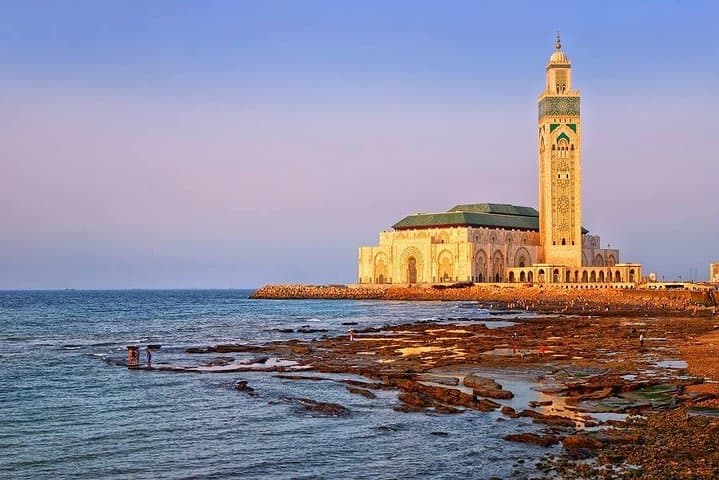
Morning light slides across Casablanca’s Atlantic façade as a small convoy pulls away from the city, headlights dissolving into the mosaic of road and sky. Over 17 days this route alternates between coastal cities, mountain passes and the slow, granular breath of the Sahara—each landscape asking travelers to change pace and posture.
Verified experiences and guided adventures in the surrounding area.
Operated by Gboo Morocco Tours · Casablanca, Casablanca-Settat
Morning light slides across Casablanca’s Atlantic façade as a small convoy pulls away from the city, headlights dissolving into the mosaic of road and sky. Over 17 days this route alternates between coastal cities, mountain passes and the slow, granular breath of the Sahara—each landscape asking travelers to change pace and posture.
The tour threads through Morocco’s imperial cities—Rabat, Meknes, Fez and Marrakech—places layered in Roman, Berber and Arab histories. Volubilis’ mosaics speak to Roman provincial life; Aït Ben Haddou stands as an earthen film set where geology and human craft meet; the High Atlas is a young mountain range, folded by tectonics, its passes dusted with seasonal snow. Along the Atlantic, Essaouira’s wind shapes fishing nets and dunes alike, while the Rif’s limestone shoulders hold Chefchaouen’s blue-washed medina.
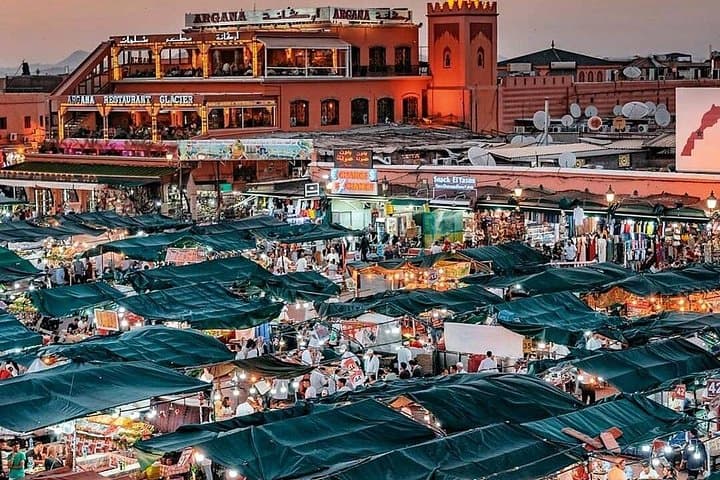
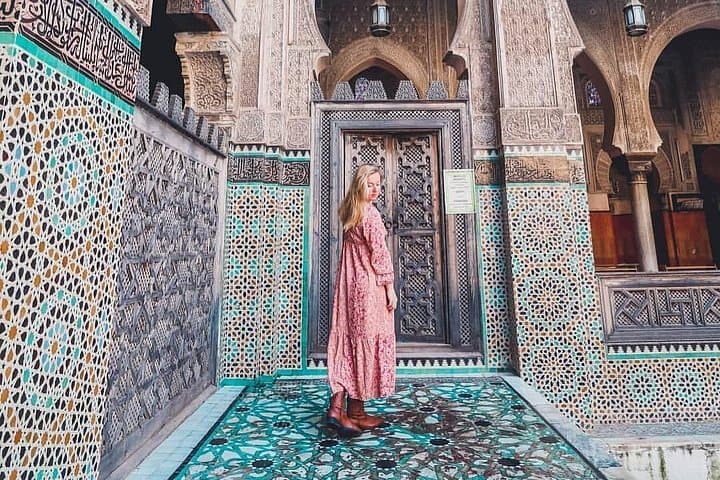
Culturally the journey balances souks and riads with local guides, offering encounters with artisans, kasbah courtyards and Berber hospitality. In the desert, Erg Chebbi’s dunes move like living sculptures, their ridgelines daring you to climb for sunrise.
Practical guidance: travel is mostly by private 4x4 coach with daily short walks and a guided day in Fez and Marrakech; expect long driving days interspersed with full-day explorations. Pack layers for temperature swings—coastal breezes, hot days in the south and chilly mountain nights. Bring sturdy walking shoes for cobbled medinas and a headlamp for riad stairs. Hydrate ahead of long drives and allow time for acclimating to sandy terrain on the camel trek. This itinerary is best for travelers comfortable with moderate activity, cultural immersion and a rhythm that alternates motion and stillness.
moderate.
17 days.
Suitable for travelers with regular activity levels who can manage multi-hour walking on uneven surfaces and occasional steep steps.
Yes, private air-conditioned 4x4 or coach transport is provided for the full 17-day itinerary.
Most breakfasts (about 15) and two dinners are included; other meals are typically on your own or during scheduled stops.
Accommodations are in 3-star hotels and riads, with one night in a luxury desert bivouac; most rooms are private for each booking.
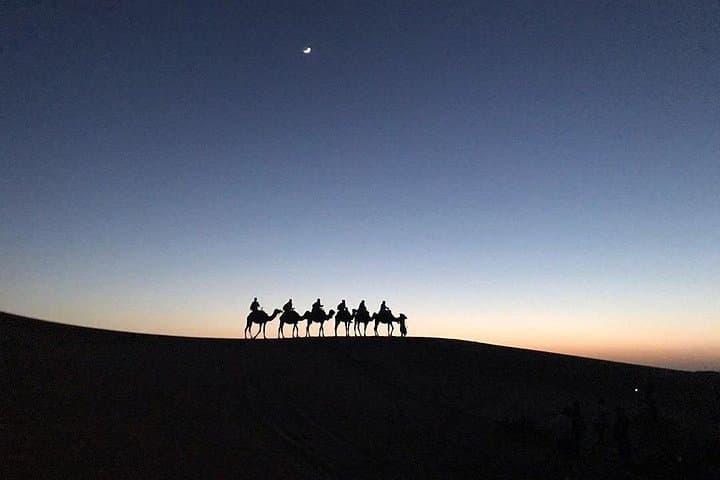
The camel trek to the desert camp is short (about an hour) and gentle, suitable for most travelers, though mounting and dismounting requires basic mobility.
The route connects Morocco’s imperial cities and Roman Volubilis, reflecting millennia of Berber, Arab and European influences and strategic trade routes.
Water is scarce across much of the itinerary—limit use, avoid single-use plastics and follow local guidance in fragile dune and mountain environments.
Gboo Morocco Tours operates guided outdoor trips and adventures with an emphasis on safety, stewardship, and memorable experiences.
Morning light slides across Casablanca’s Atlantic façade as a small convoy pulls away from the city, headlights dissolving into the mosaic of road and sky. Over 17 days this route alternates between coastal cities, mountain passes and the slow, granular breath of the Sahara—each landscape asking travelers to change pace and posture.
Morning light slides across Casablanca’s Atlantic façade as a small convoy pulls away from the city, headlights dissolving into the mosaic of road and sky. Over 17 days this route alternates between coastal cities, mountain passes and the slow, granular breath of the Sahara—each landscape asking travelers to change pace and posture.
The tour threads through Morocco’s imperial cities—Rabat, Meknes, Fez and Marrakech—places layered in Roman, Berber and Arab histories. Volubilis’ mosaics speak to Roman provincial life; Aït Ben Haddou stands as an earthen film set where geology and human craft meet; the High Atlas is a young mountain range, folded by tectonics, its passes dusted with seasonal snow. Along the Atlantic, Essaouira’s wind shapes fishing nets and dunes alike, while the Rif’s limestone shoulders hold Chefchaouen’s blue-washed medina.
Culturally the journey balances souks and riads with local guides, offering encounters with artisans, kasbah courtyards and Berber hospitality. In the desert, Erg Chebbi’s dunes move like living sculptures, their ridgelines daring you to climb for sunrise.
Practical guidance: travel is mostly by private 4x4 coach with daily short walks and a guided day in Fez and Marrakech; expect long driving days interspersed with full-day explorations. Pack layers for temperature swings—coastal breezes, hot days in the south and chilly mountain nights. Bring sturdy walking shoes for cobbled medinas and a headlamp for riad stairs. Hydrate ahead of long drives and allow time for acclimating to sandy terrain on the camel trek. This itinerary is best for travelers comfortable with moderate activity, cultural immersion and a rhythm that alternates motion and stillness.