THE ADVENTURE COLLECTIVE® · Independent discovery and booking for outdoor travel

A compact 10-day loop from Casablanca through Morocco’s imperial cities, the High Atlas and Erg Chebbi dunes, ending on the Atlantic coast. Expect medina alleys, Roman ruins, a camel trek and a Bedouin-style night under Sahara stars.
A compact 10-day loop from Casablanca through Morocco’s imperial cities, the High Atlas and Erg Chebbi dunes, ending on the Atlantic coast. Expect medina alleys, Roman ruins, a camel trek and a Bedouin-style night under Sahara stars.
You arrive in Casablanca to Atlantic wind and wide boulevards—salt on the air, trams humming past art-deco façades, and the Hassan II Mosque looming on the shore. The tour reads like a map of Morocco’s contrasts: imperial medinas, cedar-clad mountains, ochre kasbahs, a sea of dunes and a restless Atlantic coast.
Verified experiences and guided adventures in the surrounding area.
Operated by Desertbrise Travel · Casablanca, Casablanca-Settat
You arrive in Casablanca to Atlantic wind and wide boulevards—salt on the air, trams humming past art-deco façades, and the Hassan II Mosque looming on the shore. The tour reads like a map of Morocco’s contrasts: imperial medinas, cedar-clad mountains, ochre kasbahs, a sea of dunes and a restless Atlantic coast.
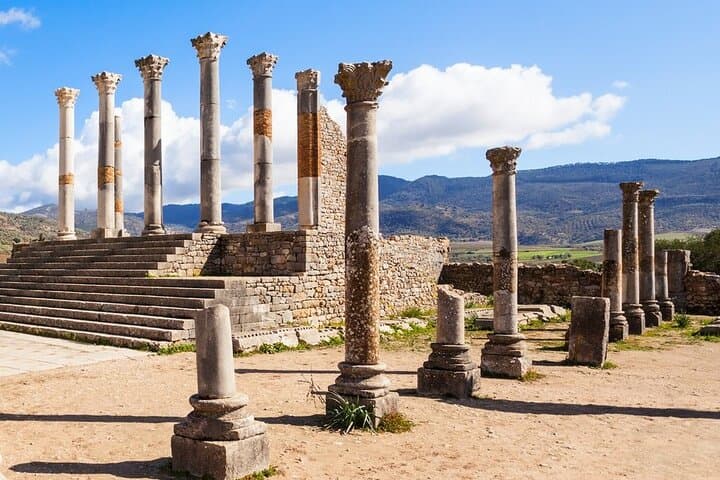
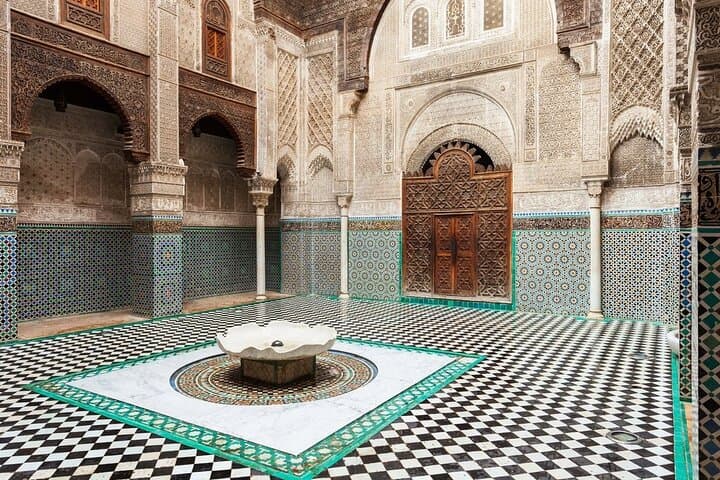
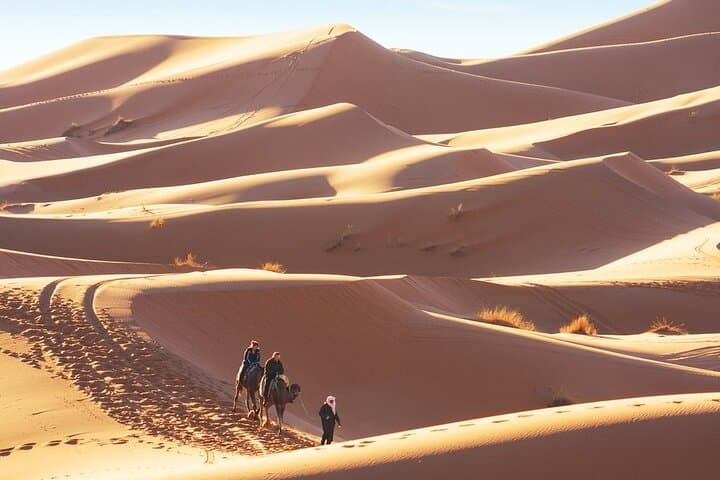
The route follows centuries of trade and migration. In Meknes and Fes, medieval walls and carved madrasas recall Morocco’s imperial era; Volubilis preserves Roman mosaics that predate Islamic rule. Geologically, the itinerary crosses the Atlas range—folded volcanic and sedimentary rock that frames high passes like Tizi n’Tichka—and slides down to Erg Chebbi, a wind-sculpted erg where dunes reach hundreds of feet and reveal aeolian processes in motion.
Cultural notes: markets trade spices, leather and argan oil; Berber hospitality and Andalusi influences surface in food and music. In the Sahara, a camel trek and overnight Bedouin-style camp offer clear skies and an unusually loud silence.
Practical guidance: expect long drives—comfort in an air-conditioned vehicle is provided—and mostly easy daily activity with short walks, dunes climbs, and studio visits. Pack layered clothing for hot days and cold desert nights, sturdy shoes for uneven medina alleys and canyon strolls, sun protection, and a refillable water bottle. Bring cash for small purchases and modest attire for mosque visits. Time your camera for dawn and dusk—the light is best on the kasbahs and dunes. With planning, this loop balances cultural depth and outdoor moments across ten compact days.
easy.
10 days.
Suitable for travelers with basic mobility; includes short walks, dune climbs and standing camel rides—no sustained technical exertion required
Yes—infant seats are available and the itinerary is classified as suitable for all physical fitness levels, but confirm childcare-specific arrangements with the operator.
Yes; the tour includes hotels on most nights and a Bedouin-style camp overnight near Merzouga in the desert portion.
Visa requirements depend on your nationality—check Morocco’s entry rules and passport validity before booking; the tour operator cannot arrange visas.
The camp offers basic Bedouin-style tents with dinner and a campfire; expect simple bedding and significant temperature drops after sunset.
Stops like Volubilis and Aït Benhaddou trace trade routes and imperial control from Roman to medieval Moroccan dynasties, reflecting a layered cultural history.
Tour operators increasingly promote responsible visits to argan cooperatives and desert camps—stick to marked paths, avoid single-use plastics, and respect local water use to reduce impact.
Desertbrise Travel operates guided outdoor trips and adventures with an emphasis on safety, stewardship, and memorable experiences.
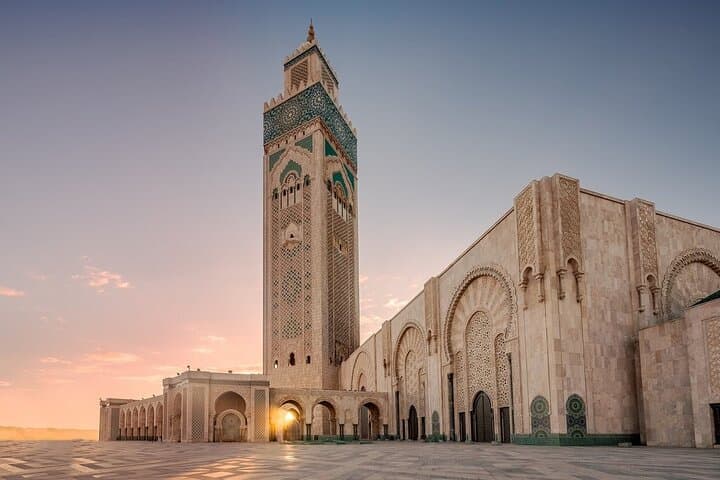
You arrive in Casablanca to Atlantic wind and wide boulevards—salt on the air, trams humming past art-deco façades, and the Hassan II Mosque looming on the shore. The tour reads like a map of Morocco’s contrasts: imperial medinas, cedar-clad mountains, ochre kasbahs, a sea of dunes and a restless Atlantic coast.
You arrive in Casablanca to Atlantic wind and wide boulevards—salt on the air, trams humming past art-deco façades, and the Hassan II Mosque looming on the shore. The tour reads like a map of Morocco’s contrasts: imperial medinas, cedar-clad mountains, ochre kasbahs, a sea of dunes and a restless Atlantic coast.
The route follows centuries of trade and migration. In Meknes and Fes, medieval walls and carved madrasas recall Morocco’s imperial era; Volubilis preserves Roman mosaics that predate Islamic rule. Geologically, the itinerary crosses the Atlas range—folded volcanic and sedimentary rock that frames high passes like Tizi n’Tichka—and slides down to Erg Chebbi, a wind-sculpted erg where dunes reach hundreds of feet and reveal aeolian processes in motion.
Cultural notes: markets trade spices, leather and argan oil; Berber hospitality and Andalusi influences surface in food and music. In the Sahara, a camel trek and overnight Bedouin-style camp offer clear skies and an unusually loud silence.
Practical guidance: expect long drives—comfort in an air-conditioned vehicle is provided—and mostly easy daily activity with short walks, dunes climbs, and studio visits. Pack layered clothing for hot days and cold desert nights, sturdy shoes for uneven medina alleys and canyon strolls, sun protection, and a refillable water bottle. Bring cash for small purchases and modest attire for mosque visits. Time your camera for dawn and dusk—the light is best on the kasbahs and dunes. With planning, this loop balances cultural depth and outdoor moments across ten compact days.