THE ADVENTURE COLLECTIVE® · Independent discovery and booking for outdoor travel

A nine-day loop from Marrakech that pairs Atlas passes and kasbahs with the sand-scape of Erg Chebbi. Expect long scenic drives, short canyon walks and a night in a Berber desert camp under vivid stars.
A nine-day loop from Marrakech that pairs Atlas passes and kasbahs with the sand-scape of Erg Chebbi. Expect long scenic drives, short canyon walks and a night in a Berber desert camp under vivid stars.
Stepping out of Marrakech’s airport into a wash of warm light and spice, the city’s red walls seem to breathe history. Streets lead from loud souks and the pulse of Jemaa el-Fna toward the High Atlas, where a snaking road climbs Tizi n’Tichka and drops into a landscape of ochre kasbahs and folded mountains.
Verified experiences and guided adventures in the surrounding area.
Operated by Morocco Sahara Desert Travel · Marrakech, Marrakesh-Safi
Stepping out of Marrakech’s airport into a wash of warm light and spice, the city’s red walls seem to breathe history. Streets lead from loud souks and the pulse of Jemaa el-Fna toward the High Atlas, where a snaking road climbs Tizi n’Tichka and drops into a landscape of ochre kasbahs and folded mountains.
This nine-day loop traces Morocco’s contrasts: the fortified mud of Ait Ben Haddou (a UNESCO ksar), film-studio quiet in Ouarzazate, the sculpted fingers of Dades and Todra gorges, then the Sahara’s Erg Chebbi—dunes that rise and sleep with the wind. Geology here is plain to read: Atlas uplift, river incision carving narrow canyons, and aeolian forces shaping vast dune seas. Culture threads through it—Berber villages, centuries-old caravan routes, riads and medina alleys where tileworkers and tanners keep ancient trades alive.
Expect active travel with long drives between highlights, short canyon treks and a sunset camel ride to an overnight desert camp under startling night skies. Pack for extremes: hot days, cold desert nights, and dust on gravel tracks. Practical notes: carry cash for small markets, wear a supportive walking shoe for uneven trails in the gorges, and plan sunrise or late-afternoon visits to avoid the heat in summer. Respect local customs in religious sites and be ready for flexible timing—roads and weather shape the pace.
For adventurous travelers wanting history, dramatic terrain and a genuine desert night, this route delivers concentrated variety and plenty of on-the-ground culture.
easy.
9 days.
Suitable for travelers in general good health who can manage short hikes (up to 2–3 hours) on uneven terrain and several multi-hour road transfers.
Yes—operators note it’s family-friendly but infants must sit on laps during transfers and some long drives may be tiring for very young children.
Accommodation is primarily 3-star hotels and one night in a desert camp under nomadic-style tents; expect basic but clean facilities in remote areas.
Most walking is short and on uneven ground (medina alleys, canyon floors); climbing routes in Todra are for experienced climbers but sightseeing requires only moderate mobility.
Camel rides to camp are for personal packs only—larger suitcases usually stay with the vehicle; bring a small overnight bag for the camel transfer.
The itinerary follows old trans-Saharan and caravan corridors; many kasbahs began as fortified trading posts built by Berber communities.
Water is scarce across southern Morocco—use water sparingly, stick to marked paths in fragile dune and oasis environments, and support local guides and cooperatives to benefit communities.
Morocco Sahara Desert Travel operates guided outdoor trips and adventures with an emphasis on safety, stewardship, and memorable experiences.
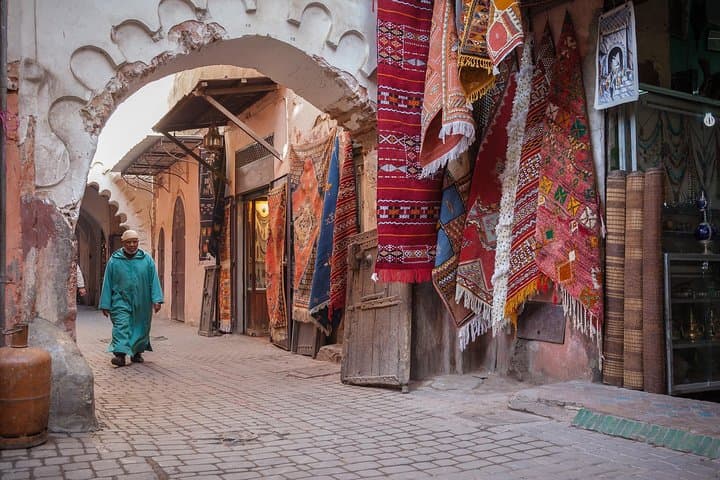
Stepping out of Marrakech’s airport into a wash of warm light and spice, the city’s red walls seem to breathe history. Streets lead from loud souks and the pulse of Jemaa el-Fna toward the High Atlas, where a snaking road climbs Tizi n’Tichka and drops into a landscape of ochre kasbahs and folded mountains.
Stepping out of Marrakech’s airport into a wash of warm light and spice, the city’s red walls seem to breathe history. Streets lead from loud souks and the pulse of Jemaa el-Fna toward the High Atlas, where a snaking road climbs Tizi n’Tichka and drops into a landscape of ochre kasbahs and folded mountains.
This nine-day loop traces Morocco’s contrasts: the fortified mud of Ait Ben Haddou (a UNESCO ksar), film-studio quiet in Ouarzazate, the sculpted fingers of Dades and Todra gorges, then the Sahara’s Erg Chebbi—dunes that rise and sleep with the wind. Geology here is plain to read: Atlas uplift, river incision carving narrow canyons, and aeolian forces shaping vast dune seas. Culture threads through it—Berber villages, centuries-old caravan routes, riads and medina alleys where tileworkers and tanners keep ancient trades alive.
Expect active travel with long drives between highlights, short canyon treks and a sunset camel ride to an overnight desert camp under startling night skies. Pack for extremes: hot days, cold desert nights, and dust on gravel tracks. Practical notes: carry cash for small markets, wear a supportive walking shoe for uneven trails in the gorges, and plan sunrise or late-afternoon visits to avoid the heat in summer. Respect local customs in religious sites and be ready for flexible timing—roads and weather shape the pace.
For adventurous travelers wanting history, dramatic terrain and a genuine desert night, this route delivers concentrated variety and plenty of on-the-ground culture.