THE ADVENTURE COLLECTIVE® · Independent discovery and booking for outdoor travel

An eight-day loop from Tangier to Marrakech that stitches imperial cities, mountain passes and the Sahara into one continuous landscape. Expect long drives broken by Roman ruins, cedar forests, desert camel treks and iconic kasbahs.
An eight-day loop from Tangier to Marrakech that stitches imperial cities, mountain passes and the Sahara into one continuous landscape. Expect long drives broken by Roman ruins, cedar forests, desert camel treks and iconic kasbahs.
The tour begins at Tangier’s airport, where the Mediterranean’s salt edge meets the first views of the Rif—blue-washed Chefchaouen perched below the slopes, its houses catching the late light.
Verified experiences and guided adventures in the surrounding area.
Operated by Tilila Travel · Tangier, Tanger-Tetouan-Al Hoceima
The tour begins at Tangier’s airport, where the Mediterranean’s salt edge meets the first views of the Rif—blue-washed Chefchaouen perched below the slopes, its houses catching the late light.
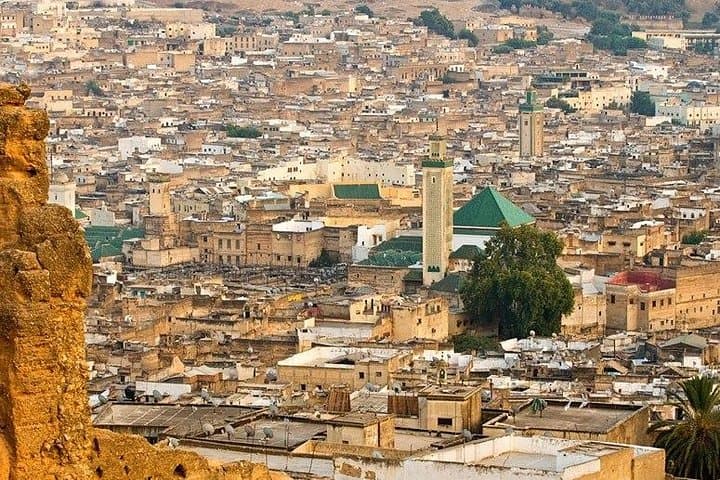
Across eight days you cross tectonic seams and cultural chapters: the Roman mosaics of Volubilis, the maze of Fez’s medina, cedar forests of the Middle Atlas, and the sandstone cliffs of the Todra Gorges. The High Atlas climbs to Tizi-n-Tichka (2,260 m), where the road teeth through rocky passes and argan cooperatives cling to sunburned slopes. In Merzouga the dunes of Erg Chebbi roll like a living ocean; wind sculpts each crest, daring you to climb for sunrise and the long shadow it casts.
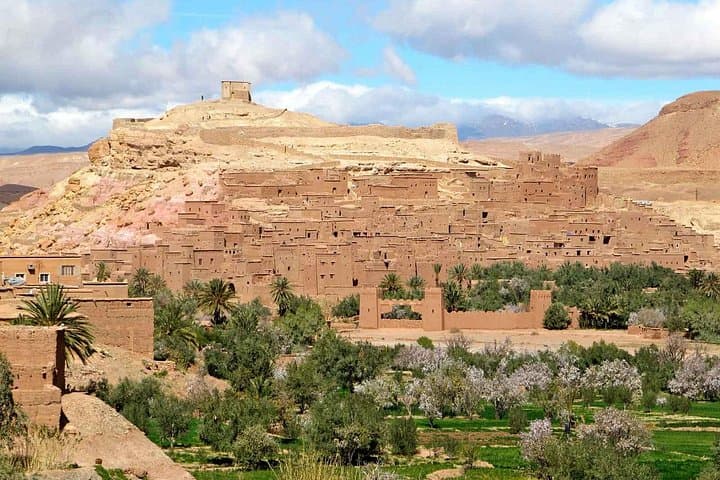
This itinerary blends geology and history—Roman outposts, imperial capitals, and ksour such as Ait Ben Haddou, a UNESCO kasbah complex that shows traditional earthen architecture against the mountain backdrop. Cultural encounters center on riad stays, souk bargaining, Berber music in desert camps, and small cooperatives producing rose water and argan oil.
Practical guidance: the pace is mainly road-based with short walks, a camel trek, and one night in a desert camp—pack layered clothing for hot days and cool nights, sturdy shoes for uneven streets and gorges, and bring cash for rural markets. Hydrate in the desert and allow time to acclimate on higher passes. Book riads with private bathrooms if you prefer comfort after long drives. Expect long driving days balanced by striking photo opportunities, evening market rhythms, and a clear sense of Morocco’s shifting landscapes.
moderate.
8 days.
Suitable for travelers with basic fitness—able to walk on uneven ground, climb dunes and board camels for short periods.
The tour is road-based with short walks, a camel trek and a night in a desert camp—basic mobility and endurance for multi-hour driving days suffice.
Breakfast and standard accommodations are included for the 7 nights noted; meals and extras in towns or special restaurants may be at your own expense.
Camel treks are short and gentle but involve mounting/dismounting and walking on sand; those with severe back problems should avoid it.
Visa requirements depend on your nationality—check Morocco’s current entry rules and ensure passport validity and any requested arrival details are provided at booking.
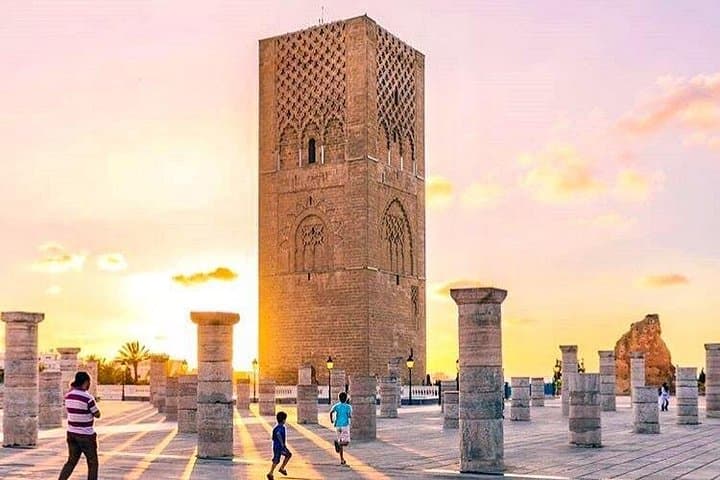
The route threads Roman Volubilis, medieval Fez (founded by Idris II in the 8th century), and earthen ksour like Ait Ben Haddou—each reflecting Morocco’s layered imperial and Berber history.
Water scarcity and fragile dune ecosystems are concerns—stick to marked tracks, support local cooperatives, and minimize single-use plastics.
Tilila Travel operates guided outdoor trips and adventures with an emphasis on safety, stewardship, and memorable experiences.
The tour begins at Tangier’s airport, where the Mediterranean’s salt edge meets the first views of the Rif—blue-washed Chefchaouen perched below the slopes, its houses catching the late light.
The tour begins at Tangier’s airport, where the Mediterranean’s salt edge meets the first views of the Rif—blue-washed Chefchaouen perched below the slopes, its houses catching the late light.
Across eight days you cross tectonic seams and cultural chapters: the Roman mosaics of Volubilis, the maze of Fez’s medina, cedar forests of the Middle Atlas, and the sandstone cliffs of the Todra Gorges. The High Atlas climbs to Tizi-n-Tichka (2,260 m), where the road teeth through rocky passes and argan cooperatives cling to sunburned slopes. In Merzouga the dunes of Erg Chebbi roll like a living ocean; wind sculpts each crest, daring you to climb for sunrise and the long shadow it casts.
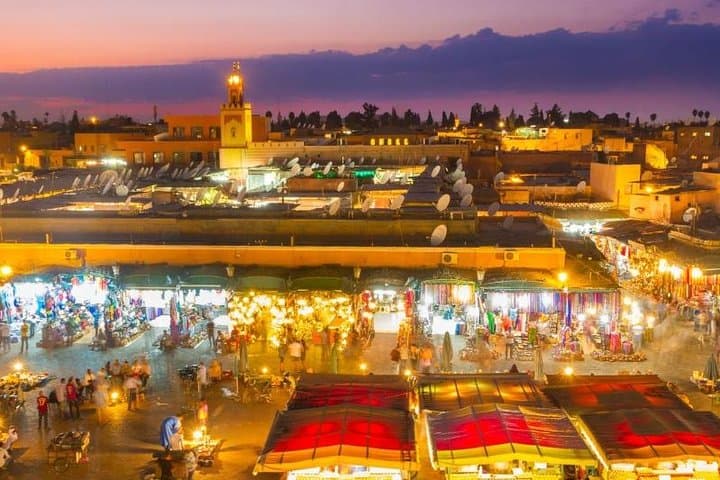
This itinerary blends geology and history—Roman outposts, imperial capitals, and ksour such as Ait Ben Haddou, a UNESCO kasbah complex that shows traditional earthen architecture against the mountain backdrop. Cultural encounters center on riad stays, souk bargaining, Berber music in desert camps, and small cooperatives producing rose water and argan oil.
Practical guidance: the pace is mainly road-based with short walks, a camel trek, and one night in a desert camp—pack layered clothing for hot days and cool nights, sturdy shoes for uneven streets and gorges, and bring cash for rural markets. Hydrate in the desert and allow time to acclimate on higher passes. Book riads with private bathrooms if you prefer comfort after long drives. Expect long driving days balanced by striking photo opportunities, evening market rhythms, and a clear sense of Morocco’s shifting landscapes.