THE ADVENTURE COLLECTIVE® · Independent discovery and booking for outdoor travel

Traverse Morocco in 10 days from Casablanca to the Sahara, moving through imperial cities, mountain passes, Roman ruins and red kasbahs. Expect long scenic drives, guided medina tours, a camel ride into Erg Chebbi and overnight luxury desert camping.
Traverse Morocco in 10 days from Casablanca to the Sahara, moving through imperial cities, mountain passes, Roman ruins and red kasbahs. Expect long scenic drives, guided medina tours, a camel ride into Erg Chebbi and overnight luxury desert camping.
A wind-swept dune silhouette opens the trip — camels threading a gold ridge as evening cools and stars punch through a desert black so bright it feels like an old map come to life. From Casablanca’s Atlantic corniche to the blue alleys of Chefchaouen, this 10-day circuit moves at the pace of both history and landscape: long drives broken by concentrated discoveries.
Verified experiences and guided adventures in the surrounding area.
Operated by Karim Berrada · Casablanca, Casablanca-Settat
A wind-swept dune silhouette opens the trip — camels threading a gold ridge as evening cools and stars punch through a desert black so bright it feels like an old map come to life. From Casablanca’s Atlantic corniche to the blue alleys of Chefchaouen, this 10-day circuit moves at the pace of both history and landscape: long drives broken by concentrated discoveries.
The route stitches together Roman ruins at Volubilis, cedar forests of the Middle Atlas, and the red mud of Ait Ben Haddou — a living record of Marrakech’s imperial pulse and the caravan routes that once linked sub-Saharan trade to Mediterranean ports. Geology frames the drama: the High Atlas lifts in folded scarps, the Dades Valley carves limestone cliffs, and Erg Chebbi’s dunes are wind-sculpted, constantly remade by the Sahara’s push.
Cultural textures are immediate — Fes’s medina workshops, Meknes’s monumental gates, and village markets where Berber hospitality is as essential as mint tea. Local guides illuminate kasbah architecture and the region’s multilingual fabric of Arabic, Berber, French and Spanish.
Practical guidance: expect long vehicle transfers with air-conditioning and guided walks rather than strenuous trekking. Pack layered clothing for desert nights, bring sufficient cash for small purchases in rural towns, and schedule sunrise or sunset for dune visits to avoid midday heat. Respect private sites and ask before photographing people. With sensible planning — hydration, sturdy shoes, sun protection, and an open curiosity — the itinerary delivers a concentrated, walkable survey of Morocco’s landscapes and living history.
easy.
10 days.
Suitable for travelers with average fitness; most days involve transfers with short guided walks and brief hikes.
Visa requirements depend on your nationality; many countries can enter visa-free for short stays—check official Moroccan consulate guidance before travel.
The trip is not physically demanding: long drives are balanced with short guided walks and light hikes; basic mobility is sufficient.
The tour typically includes overnight stays, selected meals (often breakfasts), and some guided site admissions—confirm inclusions on booking.
Desert camps vary from traditional tents to luxury setups with mattresses and facilities; the itinerary notes a luxury desert camp option with evening music and stargazing.
The route links Roman Volubilis and imperial cities like Fes and Marrakech with fortified kasbahs such as Ait Ben Haddou, reflecting Morocco’s layered history of Berber, Arab, and European influences.
Sahara and mountain environments are fragile—minimize campfire impact, avoid disturbing dune vegetation, use local guides to support community-based tourism and conserve water.
Karim Berrada operates guided outdoor trips and adventures with an emphasis on safety, stewardship, and memorable experiences.
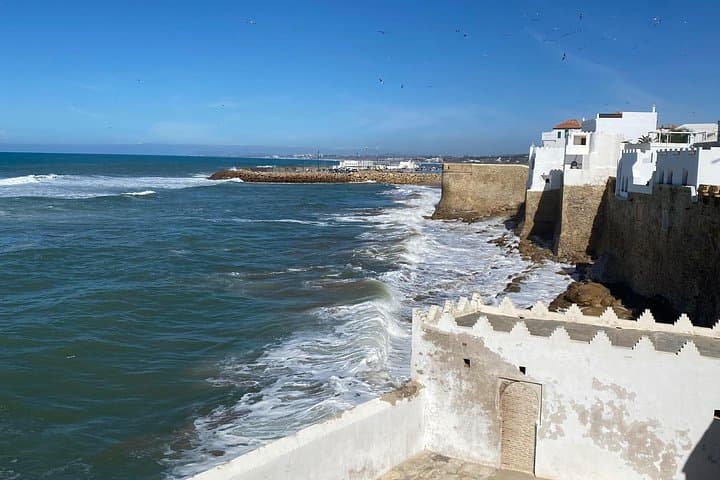
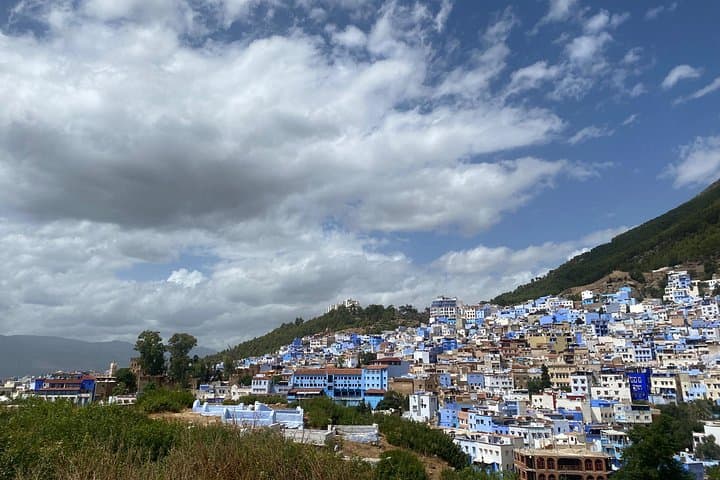
A wind-swept dune silhouette opens the trip — camels threading a gold ridge as evening cools and stars punch through a desert black so bright it feels like an old map come to life. From Casablanca’s Atlantic corniche to the blue alleys of Chefchaouen, this 10-day circuit moves at the pace of both history and landscape: long drives broken by concentrated discoveries.
A wind-swept dune silhouette opens the trip — camels threading a gold ridge as evening cools and stars punch through a desert black so bright it feels like an old map come to life. From Casablanca’s Atlantic corniche to the blue alleys of Chefchaouen, this 10-day circuit moves at the pace of both history and landscape: long drives broken by concentrated discoveries.
The route stitches together Roman ruins at Volubilis, cedar forests of the Middle Atlas, and the red mud of Ait Ben Haddou — a living record of Marrakech’s imperial pulse and the caravan routes that once linked sub-Saharan trade to Mediterranean ports. Geology frames the drama: the High Atlas lifts in folded scarps, the Dades Valley carves limestone cliffs, and Erg Chebbi’s dunes are wind-sculpted, constantly remade by the Sahara’s push.
Cultural textures are immediate — Fes’s medina workshops, Meknes’s monumental gates, and village markets where Berber hospitality is as essential as mint tea. Local guides illuminate kasbah architecture and the region’s multilingual fabric of Arabic, Berber, French and Spanish.
Practical guidance: expect long vehicle transfers with air-conditioning and guided walks rather than strenuous trekking. Pack layered clothing for desert nights, bring sufficient cash for small purchases in rural towns, and schedule sunrise or sunset for dune visits to avoid midday heat. Respect private sites and ask before photographing people. With sensible planning — hydration, sturdy shoes, sun protection, and an open curiosity — the itinerary delivers a concentrated, walkable survey of Morocco’s landscapes and living history.